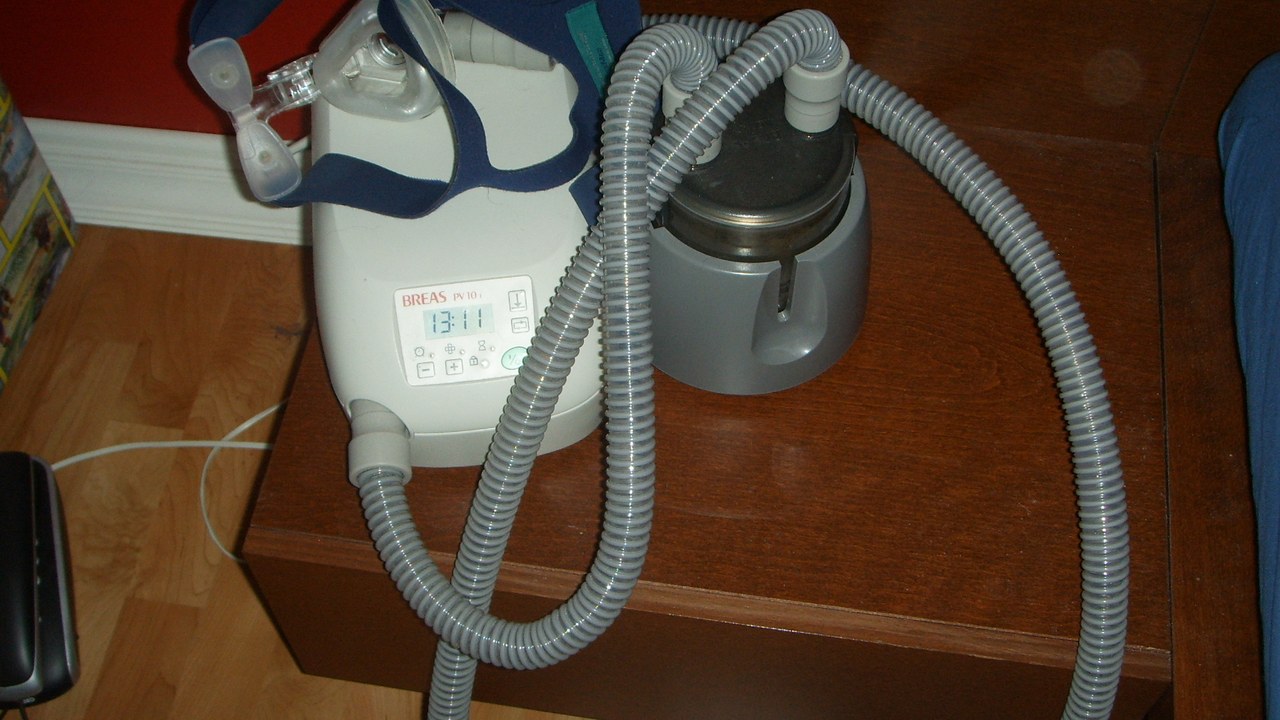
The Food and Drug Administration has posted BMC Medical’s recall notice for certain Luna G3 APAP devices, a sleep-therapy machine used under a prescription. The notice is not a blanket instruction to replace every Luna G3 unit. It identifies a particular model, firmware version and serial-number check that determine whether a device needs attention.
The practical household point is unusually clear: the notice directs the owner of an uncorrected affected device to the U.S. importer, React Health, for a replacement device for the prescribed therapy. That is a replacement route, not an instruction to buy another machine out of pocket or attempt a software repair at home.
Which device the FDA notice covers
The FDA-posted company announcement concerns the Luna G3 APAP, model LG3600, with firmware version G3-2.00.76. BMC said 20,160 devices distributed in the United States were covered by the retrospective recall. The company reported the recall to FDA on July 15, 2026, and FDA classified it as a Class I recall on August 19; FDA posted the company announcement September 8.
That sequence matters because the larger number does not mean every covered device remains uncorrected. BMC said it upgraded 20,160 devices at its U.S. importer’s warehouse from October through December 2024. After the retrospective recall was reported, the company identified that potentially up to 196 units might not have received that upgrade. The replacement instruction is for a device that still has the older firmware, not for a device merely bearing the Luna G3 name.
The stated defect occurs when the device operates at high pressure, high respiratory rate and high peak flow at the same time. FDA says an error message can appear, followed by an automatic shutdown and a failure to deliver therapy. The company reported no complaints or serious adverse-event reports associated with that failure as of its announcement.
Free retirement updates: Enrollment and claim windows come and go, and missing one can cost real money. The free Retirement Shield newsletter keeps readers ahead of the deadlines that matter. Sign up free.
How the replacement route works
The notice gives three ways to establish whether a machine needs action. The first is a serial-number search on BMC’s device inquiry page. The serial number is on the rear label; the company’s directions say to enter it in the “Check My Device” field to identify the firmware version.
The second is to ask the prescribing clinician and durable medical equipment provider to confirm whether the Luna G3 APAP has safe firmware. That route can be useful where a provider supplied the machine, retains service records or manages the therapy. The notice does not say that an APAP user should alter the firmware independently.
Finally, it tells a customer with G3-2.00.76 to contact React Health at [email protected] for replacement of the uncorrected device with a new device for the prescribed therapy. React Health also lists 863-226-6285; BMC’s email is [email protected]. Keeping the device serial number and the provider or supplier information available should make it easier to establish the exact product involved.
That matters financially because an affected household has an official no-cost replacement path rather than a reason to make a rushed retail purchase. The announcement does not promise cash, reimbursement for an independently purchased replacement, or a specific delivery date. It promises a replacement device for the uncorrected unit, so the safe claim is narrower: verify the firmware and use the named recall contact before spending money.
What not to assume from the recall
An APAP model name is not enough to decide the outcome. The notice identifies the model as LG3600, the older firmware as G3-2.00.76 and a serial-number tool for checking a particular unit. A person whose screen, packaging or supplier paperwork says “Luna G3” should not infer either safety or eligibility without that check.
Nor does the FDA notice tell people to continue using a confirmed uncorrected device until a convenient time. It says affected devices operating with the older version should be discontinued immediately until a replacement is provided. Because APAP therapy is prescribed, the appropriate next step for a patient is to follow the recall instruction while contacting the clinician or equipment provider about maintaining therapy. The article cannot prescribe an alternative treatment.
The scope is also national, but the distribution period is specific. BMC said the affected products were manufactured from September 11 through October 18, 2024, sent to the U.S. importer between September 20 and October 19, 2024, and distributed nationwide from October 29, 2024, through July 6, 2026. Those dates are helpful context, but the serial-number check remains the controlling test.
A careful record can prevent unnecessary expense
Recall paperwork is often treated as junk mail, particularly when a product seems to be working normally. Here, the main value of the FDA notice is that it separates a confirmed device issue from the cost of replacing an expensive medical machine without evidence. A serial number, firmware result and written recall contact create a clean record for the supplier and prescriber.
The announcement is also a reminder to distinguish a Class I recall classification from a claim that every unit has failed. FDA’s posted text describes a serious potential consequence under a particular operating condition, but it also says BMC had not received complaints or serious adverse-event reports as of the notice. Both facts can be true: the risk warrants prompt recall action, while a serial-number check determines whether an individual machine is among the potentially uncorrected units.
For a household, the most defensible order is simple. Identify the model and rear-label serial number, use the official inquiry tool or a provider to check the firmware, and contact the named importer for a replacement only if the old version is confirmed. That protects the therapy plan and avoids turning a recall remedy into an unverified expense.
Help With Health-Care Costs
A device recall and a medical bill are different problems, but both benefit from using the official route before paying out of pocket. Medicare Savings Programs and Extra Help are separate assistance programs with their own eligibility rules.
The 69-page guide covers 11 programs, 2026 income limits, a 50-state phone directory and a printable tracker.
See the 11 programs and what each one pays in The Benefits Checklist.
This article was prepared with AI assistance and reviewed by an editor.