
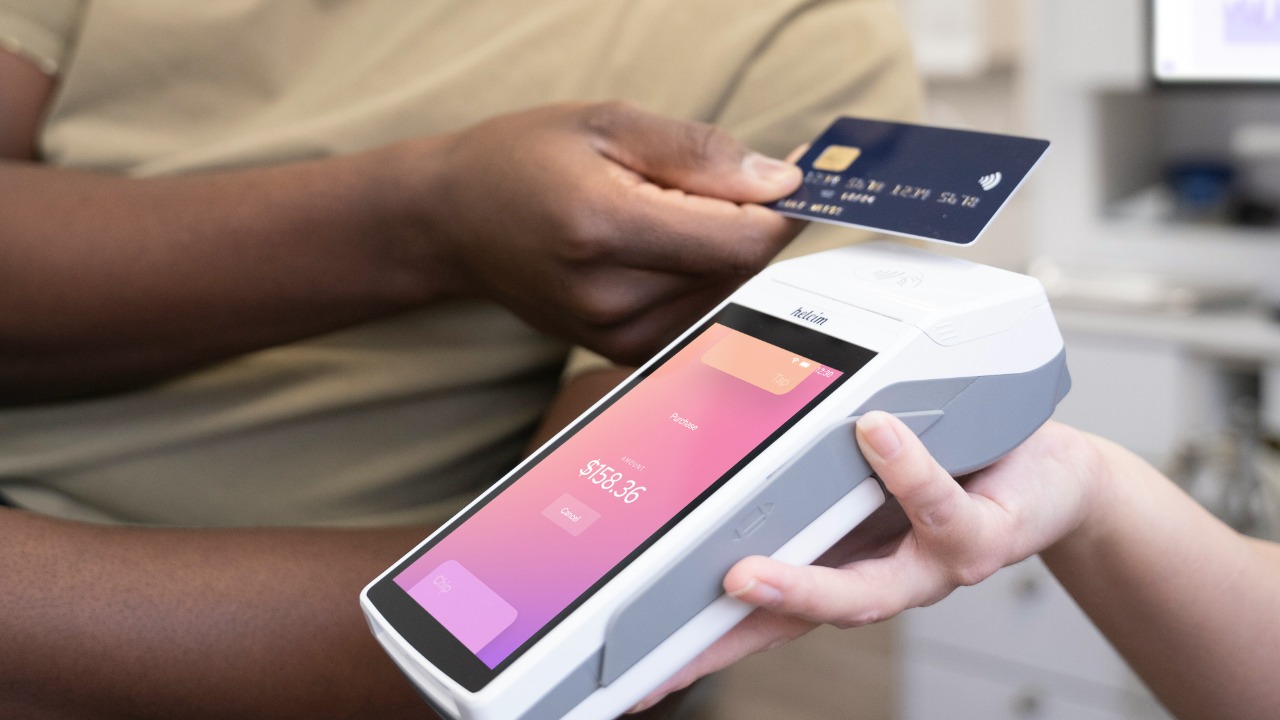
People released from jails and detention facilities sometimes received their own confiscated cash back on prepaid cards that charged fees. A proposed $4.2 million class settlement creates a claim route for certain release-card users, with valid claimants slated to receive at least $15 plus three times documented card fees. Claims must reach the administrator by October 12, 2026.
The class turns on when and how the card was issued
The nationwide settlement class covers people who received a Rapid Financial Solutions or Release Pay prepaid debit card when released from a jail, correctional facility, detention center or other law-enforcement facility. The relevant period runs from January 16, 2024, through June 30, 2026. A Washington subclass adds residents who received such a card in that state.
The lawsuit challenged returning confiscated funds through fee-bearing cards rather than cash or check. Defendants Rapid Investments and Axiom Bank deny wrongdoing. The court granted preliminary approval on July 2, allowing notice and claims administration to proceed while reserving final approval for a later hearing.
Free retirement updates: Social Security and Medicare change every year, and nobody sends you a memo. Our free Retirement Shield newsletter breaks down what changed and what to do. Get it free in your inbox.
Documented fees can increase the payment
The official Hall Release Card Settlement website states that each class member submitting a valid claim is entitled to a minimum payment of $15 plus three times the fees incurred on the release card. The $4.2 million fund is non-reversionary, meaning money is not scheduled to return to the defendants merely because claims are lower than expected.
Documentation matters because the multiplier applies to fees that can be shown. Card statements, transaction histories or other records identifying charges can support the calculation. A claimant without fee documentation may still fit the stated minimum-payment route if the class definition and claim requirements are satisfied.
Payments remain estimates until the court approves the settlement and the administrator resolves claims. Administrative costs, court-approved attorney fees and service awards are paid from the fund. The number of valid claims will affect what remains, so “three times fees” describes the settlement formula rather than a promise that every submitted amount will be accepted without review.
October 12 is the controlling claim deadline
The administrator says claims must be received no later than October 12, 2026. An online form is available through the official site. Claims may also be submitted by email, telephone or mail using the listed administrator channels, but the “received” wording makes early delivery important for mailed submissions.
October 2 is a different deadline for opting out, objecting or filing a notice of intent to appear. Those choices serve different legal purposes from filing a claim. The federal judiciary’s civil-case overview explains that settlements can resolve civil disputes subject to court procedures; the administrator’s schedule, not a generic court date, controls participation in this case.
The fairness hearing is scheduled for October 19 before U.S. District Judge Benjamin H. Settle in Tacoma, Washington. The court may reschedule it. Even after approval, appeals or administrative work can delay distribution, so the open claim window should not be confused with an immediate payment date.
The claim concerns returned personal funds, not a government benefit
The underlying dispute has an unusual property-rights dimension. The money loaded onto the cards was not a grant or public assistance payment; it was personal money temporarily taken into custody. The alleged economic harm came from fees imposed as those funds were returned.
The Consumer Financial Protection Bureau’s prepaid-card resources describe common card fees and federal protections, but they do not determine membership in this settlement. Only the case definition, official notice and claim review decide whether a release-card user participates.
The release setting can make records unusually difficult to preserve. A person may have left custody with a card but no ordinary retail receipt, then paid ATM, balance-inquiry or inactivity fees over time. Transaction histories from the card provider may therefore be more useful than the original release paperwork when documenting charges under the settlement formula.
The minimum payment recognizes that some eligible card users may lack complete records. The additional three-times-fee amount rewards documentation of actual charges without requiring the court to calculate every person’s experience from the outset. The administrator still must confirm that a submitted card and fee history fit the class period and settlement terms.
A non-reversionary fund can still be distributed through court-approved methods if claims and expenses do not exhaust it. That does not make any one payment unlimited. The settlement agreement and final order will control later allocation, which is why the administrator describes payments as estimates before the October hearing.
Saving the confirmation number or a copy of a submitted claim closes one more record gap. It shows that the form reached the authorized channel before the deadline even if payment administration continues for months.
The administrator’s site remained active when checked September 15, 2026. It continued to show the $4.2 million fund, minimum payment, three-times-fee formula and October 12 claim deadline. Because final approval had not yet occurred, the accurate description is an open proposed-settlement claim process, not a completed recovery or guaranteed check.
Four dates on a settlement notice
Only one of them is the deadline that matters, and the other three are what make people miss it.
The Settlement & Refund Recovery System includes a 36-page guide, a 5-tab Excel tracker pre-filled with all 51 state unclaimed-property offices and the four-date rule for reading a settlement notice.
See the four-date rule in The Settlement & Refund Recovery System.
This article was produced with AI assistance and reviewed by a human editor.


