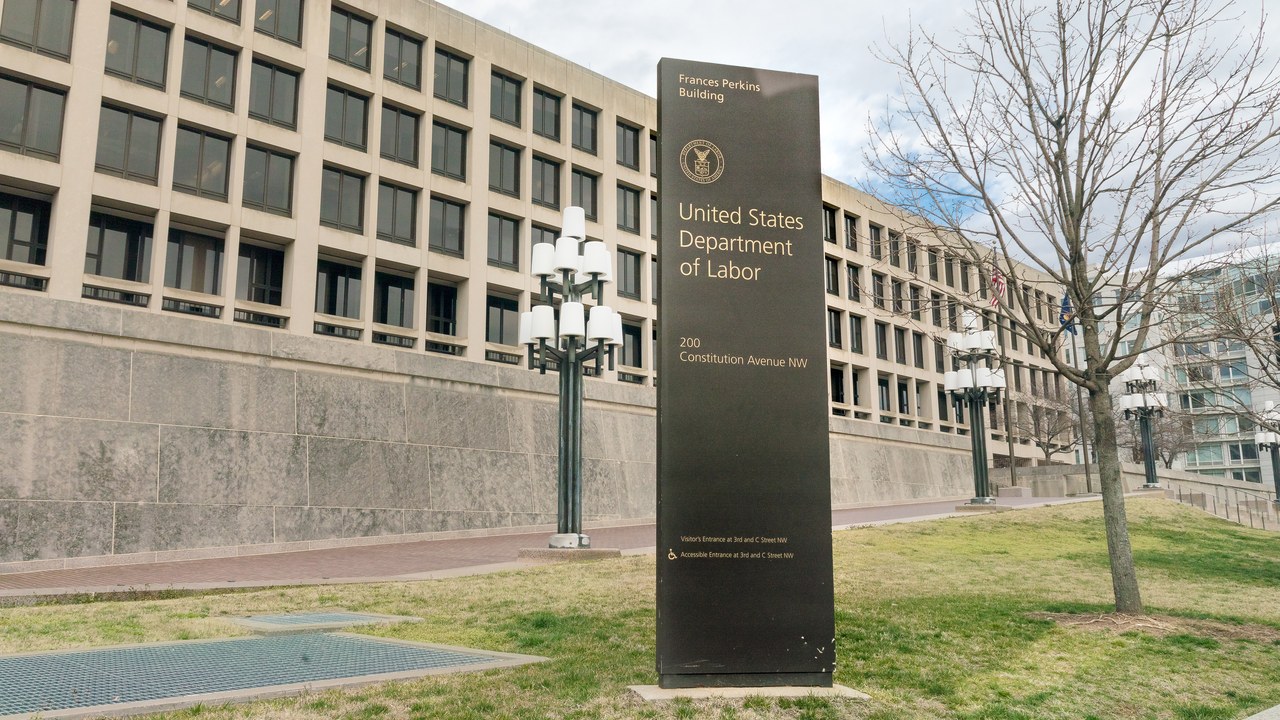
A federal judge in California has ruled that the government’s current method for setting minimum pay on foreign farm labor is unlawful, and the Department of Labor has since posted a public notice warning employers that some of them could eventually owe back pay. The wage floor at issue does not stay confined to visa holders; in many farming regions it sets the going rate for U.S. field hands paid alongside them. The legal fight over how fast a replacement wage has to arrive is still active, and the outcome will shape paychecks, farm costs, and grocery bills well into next year.
How the Adverse Effect Wage Rate Sets Farm Pay
The rate at the center of the dispute is the Adverse Effect Wage Rate, or AEWR, the minimum hourly wage the Department of Labor sets each year for H-2A visa holders who fill seasonal U.S. farm jobs. Congress built the program so that importing foreign labor would not drag down pay for domestic workers, which is why the AEWR often becomes the effective floor for American farmworkers working the same fields, not just for the workers on visas.
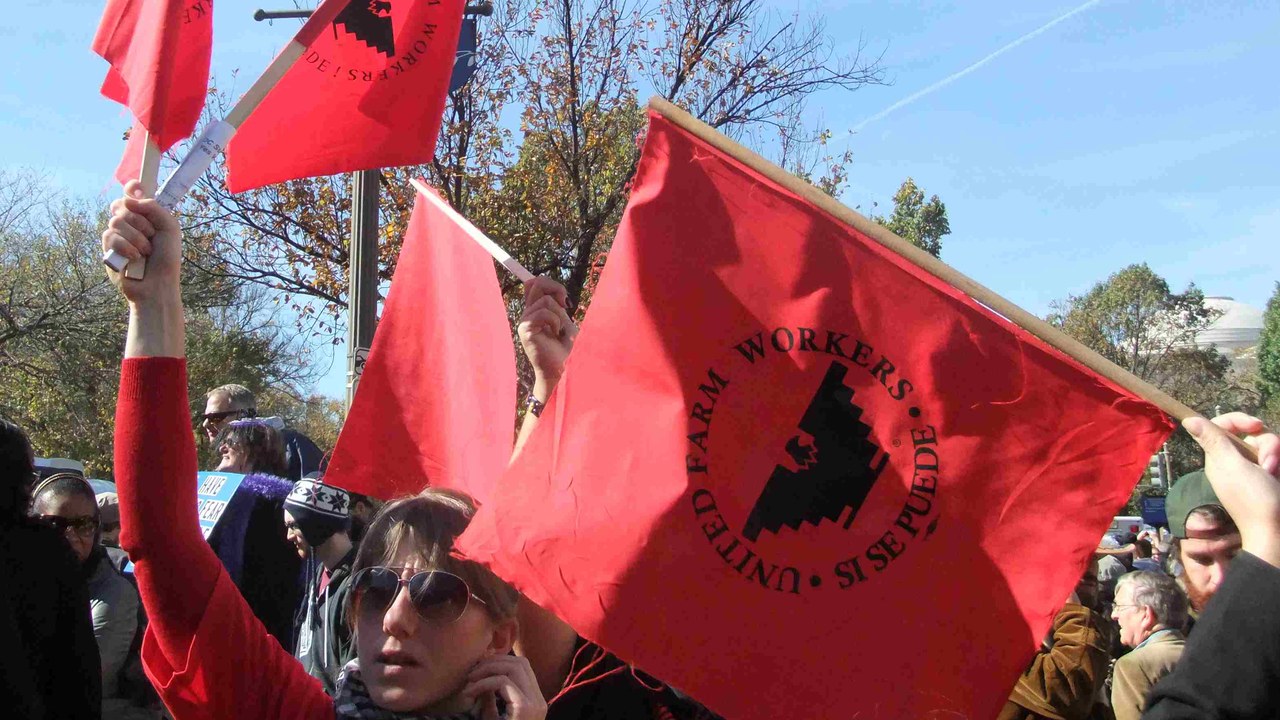
Last fall the department rewrote the formula it uses to calculate that floor through an interim final rule, a change the department itself projected would save farm operators roughly $2.4 billion this year, according to a court filing described by Capital Press‘s coverage of the case. The United Farm Workers union sued, arguing the new formula illegally suppressed wages and let some farms shift housing costs onto foreign workers, and its own website headlined the ruling as blocking what the union called a “bid to cut farm worker wages,” in a post announcing the decision.
Free retirement updates: Miss an enrollment or claim deadline and it may be gone. Our free Retirement Shield newsletter keeps readers ahead of the ones that matter. Get the free newsletter.
A Ruling That Stopped Short of Killing the Rule
On August 26, a U.S. District Court for the Eastern District of California, in United Farm Workers, et al. v. DOL, et al., No. 25-cv-01614-KES-EGC, found the wage methodology behind the interim rule unlawful. But the court did not vacate the rule outright, and it left the existing wage rates in place rather than voiding them. Instead, the judge ordered the department to produce a new methodology and new wage rates “promptly,” while also directing officials to warn employers, state workforce agencies and the public that some back pay could eventually be owed.
The Department of Labor’s own notice, posted September 2 through its Office of Foreign Labor Certification, is careful to say that compliance with the court’s notice requirement is not an admission that any payment is currently due. “No employer is under an obligation at this time to pay any back wages,” the notice states, adding that the department intends to keep fighting the ruling through the litigation process while it works on a replacement formula.
The Back-Pay Period Employers Now Have to Track
Even without a current payment obligation, the notice opens a specific window that matters for anyone paid under an H-2A wage scale. The potential back-pay period began the day the notice was posted, September 2, and will keep running until the department publishes new wage rates under a new methodology. It applies to employers with valid existing labor certifications, employers with pending applications, and any employer that files a new H-2A application before a new methodology is set.
Because the wage floor also governs “corresponding employment,” any U.S. farmworkers hired alongside H-2A workers under the same pay scale could be owed adjustments too if the eventual new rate lands above what they were actually paid during that window. To make that possible, the department is telling employers to keep accurate, current earnings records under federal recordkeeping rules, including each worker’s name, home address, Social Security number if one has been issued, and current contact information, precisely so any future back pay can actually reach the people owed it.
Where the Case Stands as Employers Wait
The timeline for a fix is now the live fight. In a joint status report filed September 9 with U.S. District Judge Kirk Sherriff in Fresno, the Department of Labor said it needs nine to twelve months to adopt new wage rates that comply with the ruling. The United Farm Workers called that timeline unacceptable and asked the judge to order new rates by September 23, warning that a long delay “would continue to impose significant harms on farmworkers across the country.” The union has also argued that if the department cannot meet a fast deadline, the judge should reinstate the higher wage rates that were in effect in 2025, before the interim rule took hold.
Grower groups say an abrupt reversal would create its own mess. National Council of Agricultural Employers president John Hollay called a sudden return to 2025 rates “a nightmare” from a logistics standpoint and said the financial impact would vary widely from farm to farm. The dispute matters beyond the farm gate: wage floors like the AEWR are frequently cited by growers as one driver of what they charge for produce, so a higher post-ruling rate could eventually show up in grocery aisles even for households with no direct tie to farm work, while a delayed fix keeps wages exactly where the now-unlawful formula set them. For now, the department’s own notice leaves the timeline open, saying only that it will tell the public when a new methodology is set and will provide further notice if the court rules again on back pay.
The Programs That Pay Only After Someone Applies
The wage floor in this case is being rewritten by one agency while employers keep the records that would let any eventual correction reach the right workers. A different kind of household money runs through much the same machinery and a great deal of it is never collected at all: circuit-breaker property-tax credits, state unclaimed-property accounts and SSI after 65 are each opt-in, and no office enrolls a household on its own. Every one of them sits with a separate agency, so a household can be on the rolls of one and completely unknown to the next.
The Benefits Checklist is a 63-page guide to 11 of those programs, with the 2026 income limits and a 50-state directory of the offices that handle each one.
Read what circuit-breaker credits and SSI after 65 each require of an applicant in The Benefits Checklist.
This article was produced with AI assistance and reviewed by a human editor. Figures are linked to their primary sources; where a claim could not be verified from the public record, we say so.