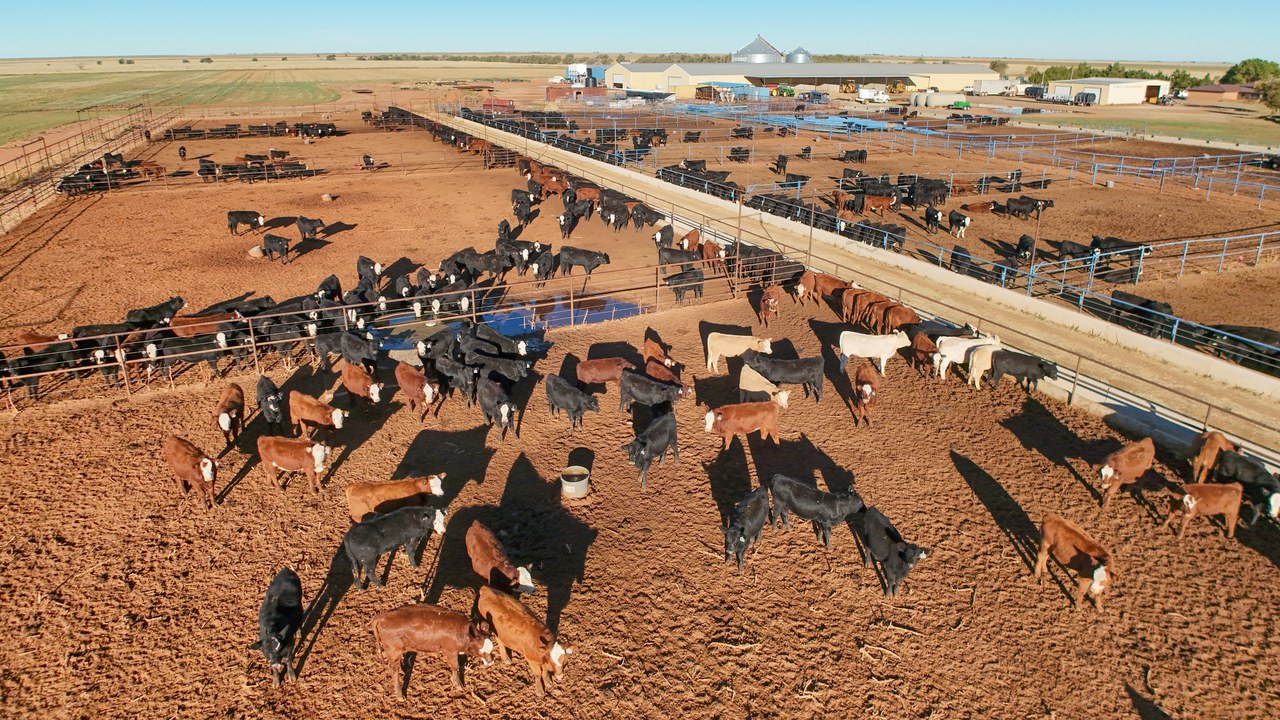
Two executive orders signed the same afternoon are aimed at the same number: 85 percent, the share of the nation’s steers and heifers now bought by the four largest beef packers. Forty years ago that figure was 36 percent, and the jump helps explain why cattle ranchers say they have less leverage at auction even as beef stays a fixture on dinner tables. The orders do not cut a single price tag by themselves, but they change who is allowed to sell meat across state lines and put federal antitrust enforcers on notice to look harder at how packers set prices.
Four Packers, 85 Percent of the Cattle Market
The concentration number comes straight from the White House’s own accounting of the meat-packing industry: over 40 years ago, the four largest beef packers accounted for 36 percent of all purchases of steers and heifers, and that share has climbed to 85 percent today. Fewer buyers at the sale barn means individual ranchers have fewer places to sell an animal and less room to negotiate, and economists have linked that kind of concentration to the gap between what ranchers are paid and what shoppers pay at the meat case. The fact sheet ties the squeeze to a national cattle herd that has shrunk to its smallest size in 75 years, a combination that keeps supply tight even as more animals get funneled through the same handful of packing companies.
The White House frames the underlying goal as making it easier for a small, state-inspected butcher to compete with those four packers rather than shipping every animal to the same slaughterhouses. Right now, a rancher who has an animal processed at a state-inspected plant generally cannot sell that meat outside the state where it was cut, even if the plant meets the same safety standards as a federally inspected one. That restriction is the specific rule the new order targets.
Free retirement updates: A quiet rule change can shrink your Social Security or Medicare check, and no one warns you. The free Retirement Shield newsletter catches these early and tells you what to do. Get it free.
What the September 4 Order Actually Changes
The order President Trump signed on September 4, formally Executive Order 14424, directs the Secretary of Agriculture to expand interstate market access for state-inspected meat by streamlining participation in USDA’s State Meat and Poultry Inspection Program, the Cooperative Interstate Shipment Program, and the Talmadge-Aiken Cooperative Inspection Program. It also instructs USDA to modernize inspection rules around core food-safety needs, cut paperwork requirements that do not add safety value, and stand up a new coordinator position to help small processors navigate the system. A separate piece of the order creates a “Strengthening Processing for U.S. Ranchers” guaranteed loan program aimed at small and regional beef processors, intended to help them stay open, expand, and diversify beyond cattle into other animal proteins.
The enforcement half of the order is aimed squarely at the Packers and Stockyards Act of 1921, the century-old law that governs fair dealing in livestock markets. USDA is told to prioritize and expand investigations into unfair or deceptive packer practices, add staff and investigative capacity to the agency’s Packers and Stockyards Division, and coordinate with the Justice Department’s Antitrust Division on cases that cross into broader antitrust territory. The order sets a 60-day clock for the Secretary of Agriculture to report back on enforcement actions taken and resources needed, and a separate 60-day deadline for a report on the statutory and trade barriers still blocking state-inspected meat from interstate commerce. Those are directives with reporting deadlines, not rules that take effect on their own; the interstate-sales expansion and the loan program still depend on USDA writing and implementing the follow-up policy.
A Second Order Aims Directly at Consumer Prices
The same day, a companion order focused on ranchers themselves added a line that goes further than the market-access order: it directs the head of every executive department and agency to ensure that the measures they implement will lower prices for American consumers. That is a governmentwide instruction for agencies to weigh consumer prices when they act, not a price cut that shows up at checkout this week. The same fact sheet points to the underlying supply problem driving prices in the first place: the national cattle herd sits at a 75-year low, while consumer demand for beef has grown almost 10 percent over the past decade and is expected to keep climbing. Fewer cattle chasing more demand is its own upward pressure on beef prices, separate from how concentrated the packing industry has become.
The ranchers-focused order also reaches beyond pricing and packing. It directs the Interior Department to review whether gray wolves and Mexican wolves still meet the criteria for federal endangered-species protection, with an eye toward delisting them to reduce livestock predation, and it tells USDA to update how ranchers get compensated for predator losses. It separately directs USDA to review country-of-origin labeling rules for beef, which could eventually change what packaging discloses about where an animal was raised and slaughtered. None of those pieces changes a grocery receipt today, but they are part of the same push to rebuild a herd that shrank under years of drought, wildfire pressure on grazing land, and what the fact sheet describes as costly Biden-era regulation.
Fixed Budgets and the Benefits That Go Unenrolled
Beef prices move with herd size, packer concentration and federal rulemaking, none of which a single household can negotiate with. Closer to hand is a separate and quieter gap: older households are eligible on paper for benefit programs they never enroll in, because every one of them is opt-in. Medicare Savings Programs that cover the Part B premium, senior property-tax relief and LIHEAP energy assistance all sit in that category.
The Benefits Checklist is a 63-page guide covering 11 of those programs, with the 2026 income limits for each and a printable tracker for the paperwork each application needs.
Read through the 11 programs and what each one covers in The Benefits Checklist.
This article was produced with AI assistance and reviewed by a human editor. Figures are linked to their primary sources; where a claim could not be verified from the public record, we say so.