Amazon Flex drivers who never cashed an earlier settlement check are getting a new shot at that money, this time landing straight in a bank account. The Federal Trade Commission has opened a third round of payments tied to tips Amazon withheld from delivery drivers between 2016 and 2019, using Zelle instead of a paper check or a PayPal transfer. For a driver who moved, lost a check in the mail, or simply never opened an envelope tied to a years-old settlement, the switch to a direct bank deposit is the difference between the money staying unclaimed and actually showing up.
The Zelle Round Targets Drivers Who Never Cashed Their Checks
The refund page the FTC updated in August 2026 says the agency is sending Zelle payments to eligible Amazon Flex drivers who had tips withheld between 2016 and 2019, with the deposit landing directly in a bank account along with a note identifying the settlement. The agency first mailed checks and PayPal payments in November 2021, then ran a second distribution in May 2025, and this newest round is aimed specifically at people who did not cash or accept either of those earlier payments. There is no form to fill out, no account number to hand over, and no deadline attached to the Zelle round; a driver who is eligible because an earlier payment went uncashed receives the transfer automatically.
Free retirement updates: Miss an enrollment or claim deadline and it may be gone. Our free Retirement Shield newsletter keeps readers ahead of the ones that matter. Get the free newsletter.
How Amazon Shorted Drivers on Tips From Late 2016 to 2019
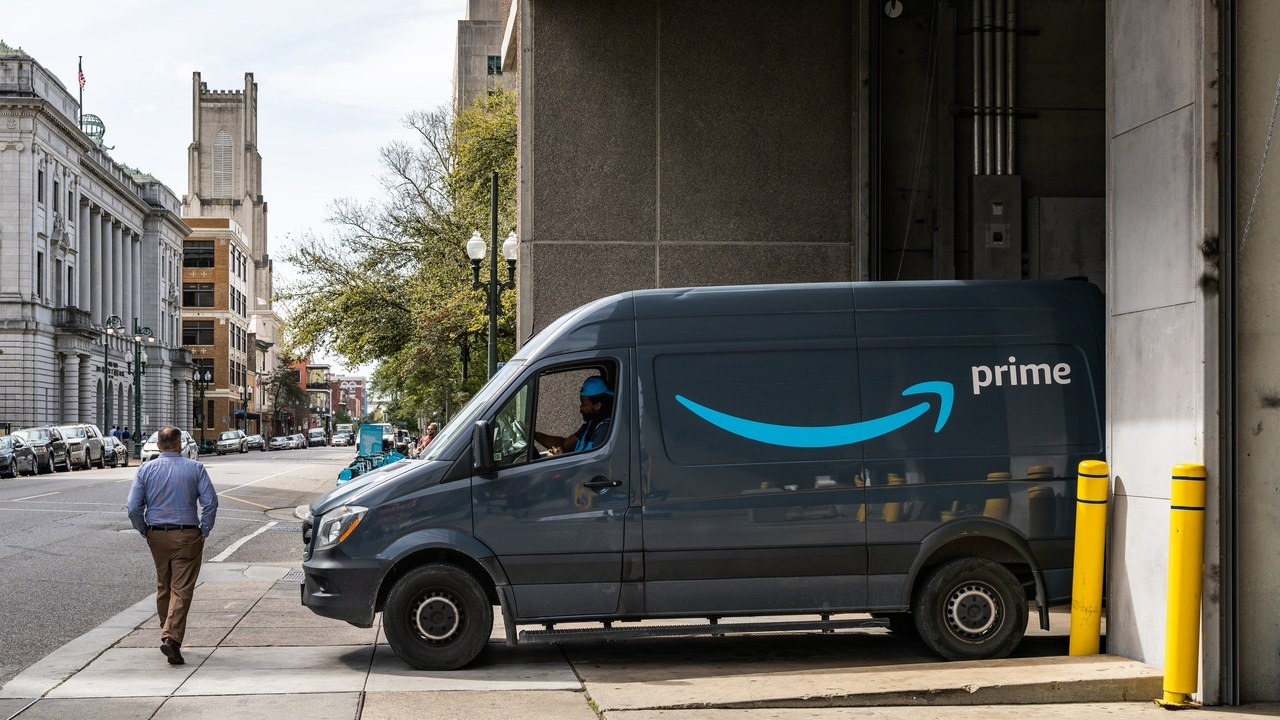
The money traces back to a Federal Trade Commission case that accused Amazon and its delivery subsidiary, Amazon Logistics, of quietly changing how it paid Amazon Flex drivers who deliver for Prime Now and AmazonFresh orders. Amazon Flex classifies its drivers as independent contractors who use their own vehicles, and the promised tip pass-through was central to how the company advertised the work to prospective drivers, alongside a stated hourly rate of 18 to 25 dollars an hour plus 100 percent of customer tips. The FTC’s complaint said that starting in late 2016, Amazon lowered the hourly rate without telling drivers and used their tips to cover the gap between the new, lower rate and the pay it had promised. Amazon kept telling both drivers and customers that tips were passed through in full even as it collected complaints from drivers who noticed their earnings had dropped; the complaint quoted one Amazon employee describing the situation internally as an “Amazon reputation tinderbox.” The company did not reverse the practice until August 2019, after it learned the FTC was investigating, then went back to paying a disclosed base rate plus the full tip amount. Then-Acting Bureau of Consumer Protection Director Daniel Kaufman said the case returned “the tens of millions of dollars in tips that Amazon misappropriated,” and the final order required Amazon to pay $61,710,583 into a fund the FTC would use to compensate drivers, while barring the company from misrepresenting a driver’s likely pay or changing how tips count toward compensation without the driver’s express consent.
Two Earlier Rounds Already Returned Nearly $60.6 Million
The first distribution went out in November 2021, when the FTC mailed 139,507 checks totaling $59,428,878 and 1,621 PayPal payments totaling $171,715 to eligible drivers, with the highest single payment at $28,255 and an average of $422. Drivers who had $5 or more in tips withheld were entitled to get the full amount back, which is why a list that size still produced individual awards averaging a few hundred dollars. Checks worth $600 or more arrived with a 1099 tax form, since the payments counted as taxable income in the year they were received. Drivers who got a check that year had to deposit or cash it by January 7, 2022, and uncashed money like that is part of what fed a second round in May 2025 and now this third round by Zelle. The FTC’s page does not break out how much of the running total came from the November 2021 checks versus the May 2025 round, folding both into a single cumulative figure that grows again as the Zelle payments go out. Across the three rounds, the FTC says more than $60.6 million of the $61.7 million Amazon paid has reached drivers, leaving a little over $1 million still moving through the current round toward people who missed the first two chances.
Rust Consulting Runs the Payments, and No One Should Ask for Money
The refund administrator handling the case is Rust Consulting, which drivers can reach at 1-800-654-8874 with questions about a specific payment. The FTC is direct about the one thing that never happens during a legitimate distribution: the agency does not ask anyone to pay money to receive a refund, so a message demanding a fee, a gift card, or a bank password before a payment can be released is not coming from the settlement fund. Drivers who get a Zelle payment tied to Amazon Flex do not need to do anything beyond having an active bank account linked to Zelle; the deposit itself, arriving with a note identifying the settlement, is the entire transaction. Anyone who wants to verify the case independently can look up FTC docket 1923123, listed under Related Cases on the same refund page the agency keeps current.
Money like the Amazon Flex tips sits unclaimed for years because the notice arrives once, by mail or an unfamiliar bank deposit, and gets missed or mistaken for spam. The same gap shows up in state unclaimed-property files and in programs older households routinely qualify for but rarely hear about, since enrollment in things like Medicare Savings Programs or LIHEAP energy assistance is opt-in and no agency tracks who missed the window. The Benefits Checklist gathers those opt-in programs, current 2026 limits, a 50-state office directory, and an open-settlements list in one place, so the check happens once instead of depending on catching a single notice.
This article was produced with AI assistance and reviewed by a human editor. Figures are linked to their primary sources; where a claim could not be verified from the public record, we say so.