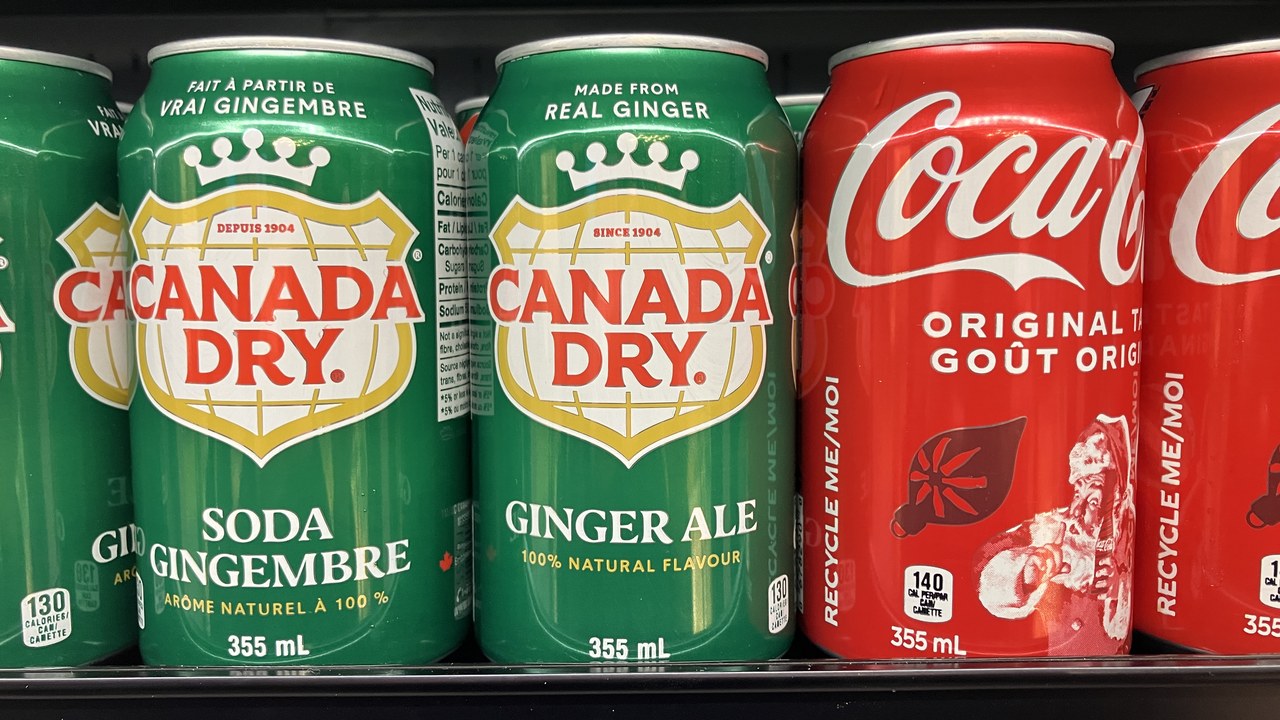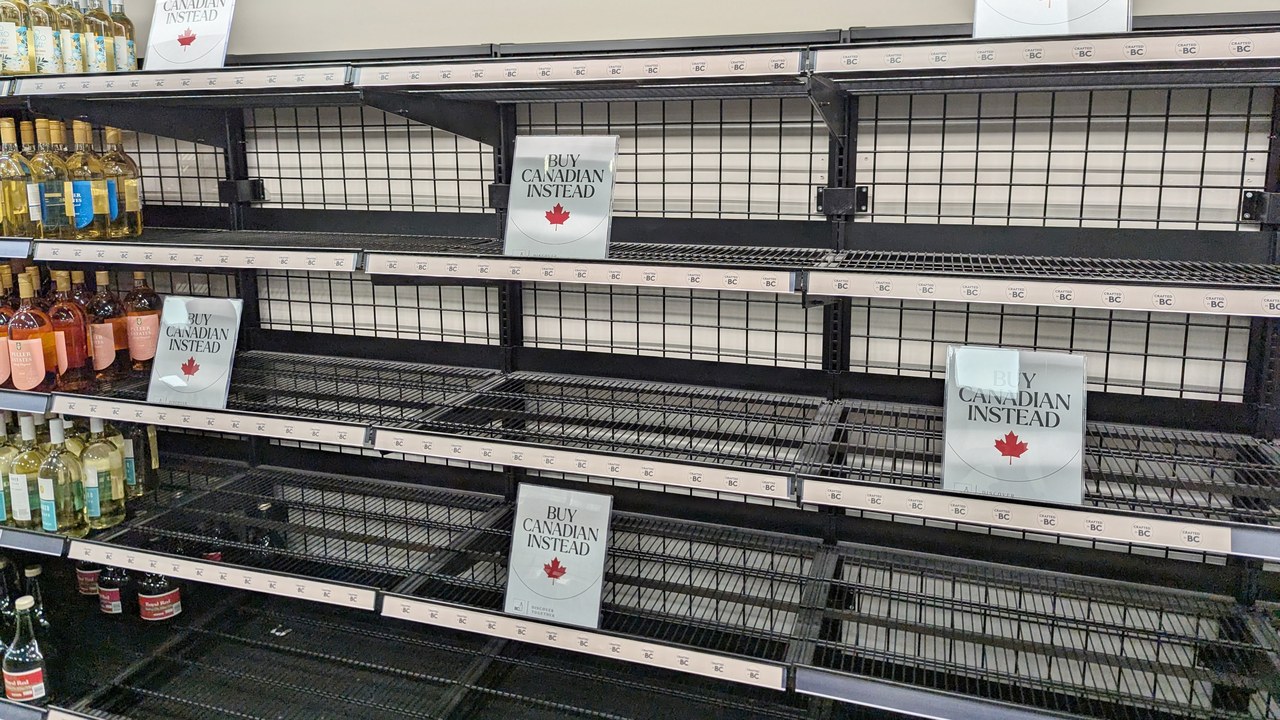
Canadian cheese, butter, and a range of Canadian beer, wine, and spirits are set to disappear from the list of goods U.S. importers can legally bring in, once a White House order takes effect at the end of the month. The change follows months of escalating tariff action between Washington and Ottawa, and it means higher costs are likely for any grocery or liquor aisle that leans on Canadian suppliers.
From a 50 percent duty to a flat ban
President Trump signed a proclamation on September 8, 2026 excluding certain Canadian dairy products from importation into the United States entirely, effective 12:01 a.m. eastern time on September 29, 2026. A companion proclamation signed the same day applies the identical import ban to certain Canadian alcoholic beverages.
Until now, the affected goods faced a 50 percent ad valorem duty rather than an outright bar. That duty traces back to a July 20 proclamation under Section 338 of the Tariff Act of 1930, which found that Canada’s tariff-rate quota rules on U.S. cheese exports unfairly disadvantaged American commerce. A three-day suspension in mid-August, offered after Canada floated a fix, collapsed when Canadian officials did not follow through, and the 50 percent duty took hold on August 22. The September 8 order is the next rung up: instead of taxing the goods heavily, it stops them at the border entirely.
The dairy proclamation’s own text lays out the sequence in granular detail: the 50 percent duty from the July order became effective August 19, then was suspended for three days, then lapsed back into effect at 12:01 a.m. on August 22 once Canada, in the administration’s telling, “reneged on its commitment” and “ceased negotiating in good faith.” Only after that renewed 50 percent duty had been in place for more than two weeks did the White House escalate to an outright ban.
Free retirement updates: Social Security and Medicare change every year, and nobody sends you a memo. Our free Retirement Shield newsletter breaks down what changed and what to do. Get it free in your inbox.
What stays at 50 percent versus what gets shut out
The text of the proclamation draws a specific line that matters for anyone tracking why a product might still be on a shelf after September 29. Goods that were already imported, but not yet entered for consumption or withdrawn from a warehouse, before that date “will remain subject to the 50 percent duty rate.” Everything else covered by the ban, imported on or after September 29, is simply excluded from entry into the country.
That distinction gives importers and retailers a narrow window to clear existing inventory at the old duty rate rather than losing access altogether. It also means shoppers likely won’t see empty shelves overnight; the effect will show up gradually as pipeline inventory sells through and isn’t replaced.
Three categories, one underlying dispute
According to a White House fact sheet issued September 8, the President signed five proclamations under Section 338 in this dispute in total, and the three exclusion orders reaching the ban stage cover alcoholic beverages, dairy, and motor vehicles. The fact sheet also states that the Section 338 tariffs apply “regardless of whether a good originates under the U.S.-Mexico-Canada Agreement,” meaning the trade pact does not shield any of the three categories from the ban.
A separate scope change takes effect earlier, on September 15, when certain products are dropped from the underlying duty list and others are added, including all-terrain vehicles and additional dairy products, according to the same fact sheet. Shoppers watching for Canadian goods disappearing from shelves should expect the September 15 swap to shift which items are affected before the September 29 ban locks in the final list.
Why the bar keeps moving higher
The proclamation’s own account of events explains the jump from duty to ban. After the August 22 duty took effect, senior administration officials reported that Canada had not revoked the dairy tariff-rate quota measures at issue, and recommended the import ban as consistent with U.S. interests. The President’s proclamation adopted that recommendation, finding that Canada had “maintained the discriminations against the commerce of the United States” despite the tariff pressure already in place.
For households, the practical result is the same regardless of the diplomatic back-and-forth: a shrinking supply of specific Canadian dairy and alcohol products in U.S. stores, and higher prices for the American or third-country alternatives that retailers substitute in. U.S. Customs and Border Protection is directed in the proclamation to issue the rules needed to administer the ban and to modify the tariff schedule as needed through the Federal Register.
The motor-vehicles proclamation carries the identical structure
A companion proclamation on motor vehicles, also signed September 8, uses the same effective-date language and the same in-transit carve-out as the dairy order: goods “imported, but not yet entered for consumption … prior to September 29, 2026, will remain subject to the 50 percent duty rate.” That parallel wording across all three proclamations signals a single coordinated policy rather than three unrelated actions, and it means an importer of Canadian vehicles faces the identical September 29 deadline as an importer of Canadian cheese or whisky.
None of the three orders is limited to a narrow product list; each comes with its own annex spelling out exactly which tariff classifications are covered, and CBP has the authority to make technical corrections to those annexes through Federal Register notices without a new presidential proclamation. That gives the administration room to adjust the scope of the ban even after September 29 without restarting the whole process.
This article was produced with AI assistance and reviewed by a human editor. Figures are linked to their primary sources; where a claim could not be verified from the public record, we say so.
More Financial Reading