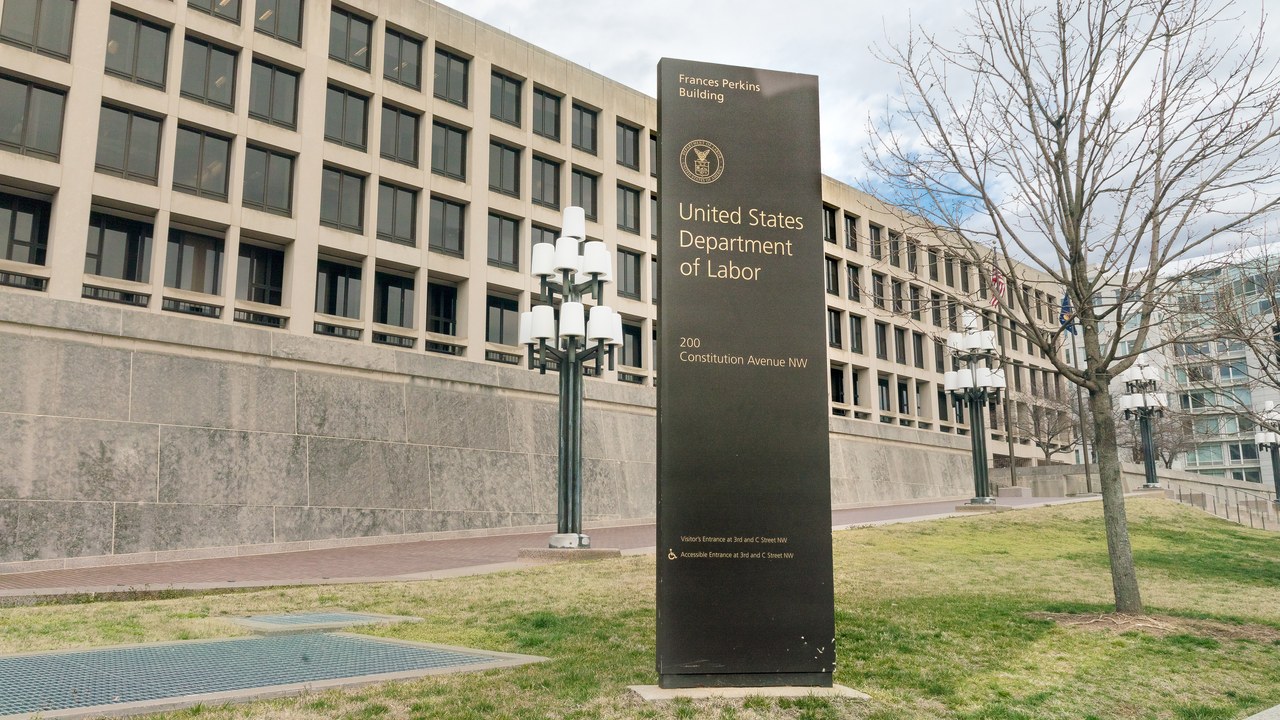
The U.S. Department of Labor wants to rewrite the rule that decides who counts as an employee and who counts as an independent contractor under federal wage law, and that single label determines who is guaranteed overtime pay and a minimum wage and who is not. The department’s Wage and Hour Division published the proposal on February 26, 2026, aiming to undo a rule finalized in 2024 and go back to an approach closer to one the department used starting in 2021. Nothing has changed for workers yet, because the rule is still only a proposal, but the outcome will eventually reshape how gig workers, freelancers, and other contract workers get classified nationwide.
The Rule the Department Wants to Replace
Under the Fair Labor Standards Act, an employee is entitled to at least the federal minimum wage of $7.25 an hour and time-and-a-half overtime pay for every hour worked past 40 in a week. An independent contractor is not covered by the FLSA at all, so none of those guarantees apply to them. The test currently used to sort workers into one category or the other comes from a rule the department finalized in 2024, which weighs six factors, including a worker’s opportunity for profit or loss, their investments, how permanent the working relationship is, the degree of control involved, whether the work is integral to the business, and the worker’s skill and initiative, without treating any single factor as more important than the rest.
That six-factor approach is still the department’s official written position, laid out in Fact Sheet 13. The new proposal would rescind it entirely.
Free retirement updates: Miss an enrollment or claim deadline and it may be gone. Our free Retirement Shield newsletter keeps readers ahead of the ones that matter. Get the free newsletter.
Two “Core Factors” Would Carry the Most Weight
The replacement test the department is proposing would not weigh every factor equally. It would apply what the department calls an “economic reality” test built around two core factors: the nature and degree of control a business has over how the work gets done, and the worker’s opportunity for profit or loss based on their own initiative or investment. Three other factors, the amount of skill the work requires, how permanent the relationship is, and whether the work is part of an integrated unit of production, would still matter, but mainly as tie-breakers when the two core factors point in different directions.
The proposal, described on the Wage and Hour Division’s rulemaking page, also says a worker’s actual day-to-day practice with a company should count for more than what a contract says is theoretically possible, and it includes eight fact-specific examples meant to show employers and workers how the test would apply in practice.
Why the Label Decides Overtime and Minimum-Wage Rights
The reason this classification fight matters to a household budget is simple: it is an on-off switch, not a sliding scale. A worker classified as an employee gets the FLSA’s wage floor automatically. A worker classified as an independent contractor gets none of it from federal law, no matter how many hours they put in or how much a client controls their schedule. Shifting the test toward heavier weight on control and profit-and-loss opportunity could move some workers, delivery drivers, on-call technicians, and similar arrangements among them, into contractor status who might have been classified as employees under the 2024 rule’s more even-handed weighting, or the reverse, depending on the facts of a given job.
In the department’s own announcement of the proposal, Secretary of Labor Lori Chavez-DeRemer said the goal is to “protect these workers’ entrepreneurial spirit and simplify compliance for American job creators,” while Wage and Hour Division Administrator Andrew Rogers framed the streamlined test as a way to “reduce misclassification, and reduce costly litigation.” Whether that framing holds up will depend on how the factors actually get applied case by case once, and if, the rule takes effect.
The math behind the FLSA’s protections shows what is actually at stake for a household budget. An employee who works 50 hours in a week is owed time-and-a-half on the regular rate for the 10 hours past 40, on top of the $7.25-an-hour federal floor underneath every hour worked. An independent contractor working those same 50 hours is owed only whatever was negotiated in advance, with no federal wage floor and no overtime premium attached, regardless of how many hours the job actually took or how much control the paying business exercised over the work.
The 2024 Rule Is Still Technically in Effect
Here is the part that gets lost in most coverage of the proposal: the 2024 rule that the department wants to rescind has not gone anywhere yet, and it still governs private FLSA lawsuits over worker classification. But the Wage and Hour Division itself already stopped applying it in its own investigations before this proposal was even written, a shift the agency made through internal enforcement guidance issued in 2025. That leaves a gap right now between what a court might apply in a private lawsuit and what the department applies when it investigates a business on its own, a gap this rulemaking is meant to close by making the department’s enforcement approach and the regulation on the books match again.
Where the Proposal Stands Today
As of September 8, 2026, the rule remains exactly what it was in February: a proposal, not a final rule. The Notice of Proposed Rulemaking was published in the Federal Register on February 27, 2026, under docket number WHD-2026-0001 and regulatory identifier RIN 1235-AA46. The public comment period closed at 11:59 p.m. Eastern on April 28, 2026, and the department has not published a final rule in the months since. Until it does, both the 2024 rule and the department’s current enforcement practice remain in place, and no worker’s classification changes because of this proposal alone.
This article was produced with AI assistance and reviewed by a human editor. Figures are linked to their primary sources; where a claim could not be verified from the public record, we say so.
More Financial Reading