Behind every dozen eggs sitting in a grocery store cooler is a second, mostly invisible price: what the eggs cost before they ever reach a store shelf. This week that number moved lower. Federal market data show the wholesale price for shell eggs in the Midwest slipped to 66 cents a dozen, while the eggs that get broken apart and turned into liquid egg for packaged food fell to about 7.5 cents a dozen, the cheapest they’ve traded at in weeks.
Two Layers of the Egg Market Both Fell This Week
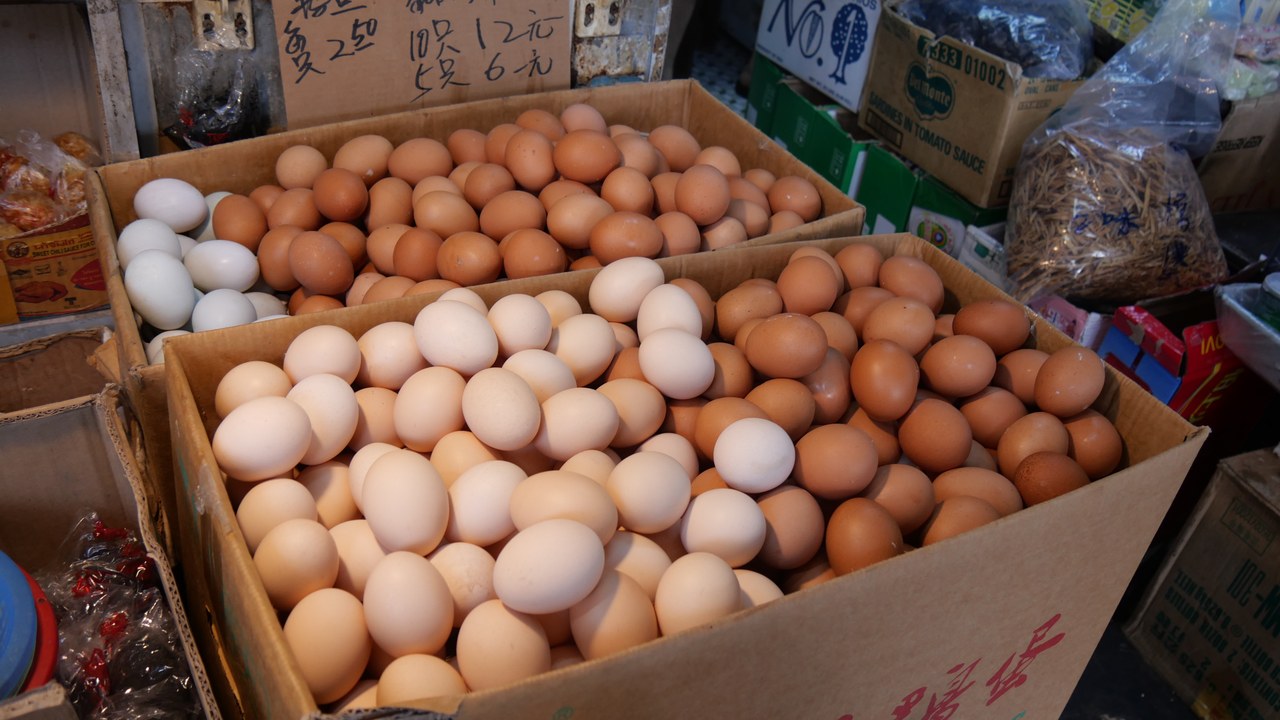
In the major Midwest production region, wholesale prices for Large, white shell eggs delivered to warehouses fell 3 cents this week to 66 cents a dozen, described as carrying a “steady to weak undertone.” Separately, the same report tracks a different product entirely: breaking stock, the pool of eggs, often smaller, cracked, or otherwise not suited for a retail carton, that gets sold to processing plants instead of grocery stores. The average national wholesale price for that breaking stock fell 2.25 cents this week to 7.5 cents a dozen, also described as steady to weak, with processing plants running full-time schedules and finding plenty of supply to keep their lines full.
Both figures come from the same USDA Agricultural Marketing Service egg market report, dated September 4, 2026, and both moved in the same direction this week even though they describe two different markets serving two different buyers. Midwest wholesale eggs go largely to retailers and foodservice distributors selling shell eggs, while breaking stock goes almost exclusively to processors who never sell an intact egg at all.
Free retirement updates: Miss an enrollment or claim deadline and it may be gone. Our free Retirement Shield newsletter keeps readers ahead of the ones that matter. Get the free newsletter.
What Breaking Stock Has to Do With Your Cereal Box
Breaking stock doesn’t stay a shell egg for long. It goes to USDA-inspected “breaker plants,” where, according to USDA’s Food Safety and Inspection Service, machines wash, sanitize, and crack the eggs, separate the whites and yolks if needed, filter and chill the liquid, then pasteurize it under continuous federal inspection required by the Egg Products Inspection Act. What comes out the other end is liquid, frozen, or dried egg product, the kind used in mayonnaise, ice cream, baked goods, and pre-made egg dishes sold at restaurants and grocery stores. Roughly three in ten eggs Americans eat now arrive in that processed form rather than out of a shell.
Food manufacturers favor these processed products because they’re pasteurized, easy to store and measure, and don’t require anyone to crack a shell on a production line. The 7.5-cent figure in this week’s report is what a processor pays for the raw eggs going into that pipeline, not the price of the finished liquid, frozen, or dried product once it’s packaged and shipped to a food company’s plant.
Why the Wholesale Drop Won’t Show Up at the Register
A falling wholesale price doesn’t automatically mean a falling grocery bill. Retail ad pricing, packaging, transportation, and a retailer’s own margin all sit between the wholesale layer tracked in this report and whatever a shopper pays at checkout, and those costs don’t reset every time the Midwest wholesale number moves a few cents. The same weekly report that shows Midwest wholesale prices easing also shows the average ad price for conventional caged eggs at retail actually rose a penny this week, a reminder that the wholesale and retail layers of the egg market don’t always move in the same direction at the same time, let alone by the same amount.
The gap between what a warehouse pays and what a shopper pays exists for ordinary business reasons: a retailer commits to an advertised price days or weeks before it prints a circular, while wholesale prices can move day to day on supply and demand. That timing mismatch means a household hoping this week’s cheaper wholesale eggs will translate into a cheaper carton next week could be waiting a while, especially if wholesale prices bounce back before that adjustment ever reaches a store’s shelf tag.
How USDA Tracks Eggs From Farm to Plate
USDA’s Agricultural Marketing Service runs separate market news reports for nearly every stage an egg passes through, listed on its own Egg Market News Reports index, from daily shell-egg price reports and a dedicated daily national breaking-stock report to the weekly overview that combines wholesale, breaking-stock, and inventory data into one publication. That layered tracking is why this week’s report can say with precision that breaking stock fell 2.25 cents while Midwest wholesale shell eggs fell 3 cents, two separate markets moving on their own schedules rather than one blended number.
The report also flagged that the volume of eggs processed into egg products over the past week decreased 1%, with cage-free stock making up 42% of what got processed, down slightly from the week before. That detail matters beyond this week’s price movement: it’s a sign that even the supply feeding packaged food is shifting alongside the same cage-free trend reshaping the retail egg case, which means the mix of eggs going into breaking stock, and eventually into a jar of mayonnaise or a box of pancake mix, is changing too.
This article was produced with AI assistance and reviewed by a human editor. Figures are linked to their primary sources; where a claim could not be verified from the public record, we say so.
More Financial Reading