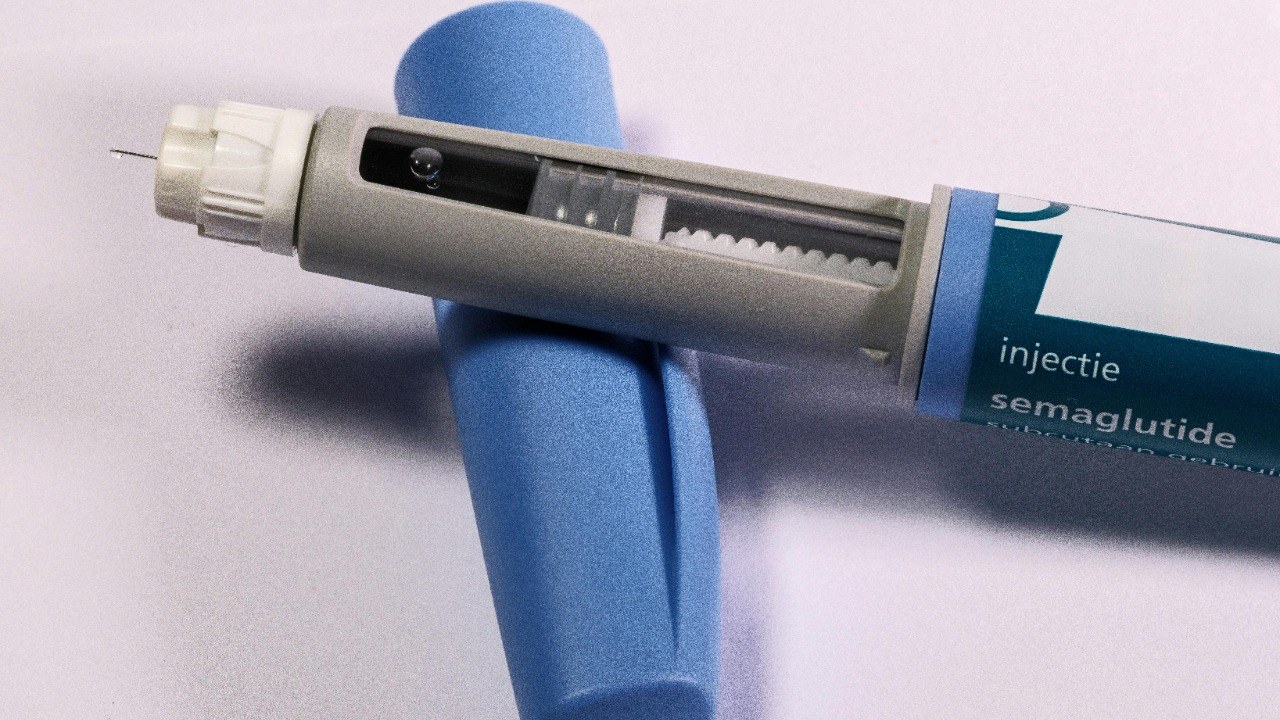
No drug on Medicare’s newly negotiated price list cost the program more in 2024 than the trio of Ozempic, Rybelsus and Wegovy. All three are versions of the same active ingredient, semaglutide, sold by Novo Nordisk under different brand names for different uses. Together they were dispensed to about 2.28 million people with Medicare Part D coverage that year, and those prescriptions added up to $15.16 billion in gross Part D drug costs, more than three times what the second-costliest drug on the list generated.
The scale is what separates this entry from the other 14 drugs Medicare negotiated prices for. Most of the drugs in this round treat a specific, narrower condition. Semaglutide spans three: type 2 diabetes, cardiovascular disease risk, and obesity or being overweight, which is part of why its Medicare footprint dwarfs everything else on the list.
One Ingredient, Three Brand Names, One Combined Price Tag
Ozempic and Wegovy are both injectable versions of semaglutide, while Rybelsus is an oral tablet form of the same drug. CMS treats all three as a single negotiated item because they share an active ingredient, even though a doctor might prescribe them for different reasons: Ozempic and Rybelsus primarily for blood sugar control in type 2 diabetes, Wegovy specifically for chronic weight management and, in some patients, to lower the risk of a heart attack or stroke. That combined treatment makes the $15.16 billion figure a sum across three separate products rather than the sales total of any single medication.
Free retirement updates: Enrollment and claim windows come and go, and missing one can cost you real money. The free Retirement Shield newsletter keeps you ahead of the deadlines that matter. Sign up free.
How the Negotiated $274 Price Actually Breaks Down by Product
The headline negotiated price for a 30-day supply is $274, down from a $959 list price in 2024, a 71 percent discount. But CMS’s own package-level breakdown shows the maximum fair price isn’t identical across every form of the drug: a single Ozempic pen and a 30-tablet supply of Rybelsus both carry a negotiated price of $276.78, while a box of four Wegovy pens is priced at $385.63. The $274 figure in the fact sheet’s summary table is a standardized 30-day-supply calculation used for comparison across all 15 drugs; the per-package numbers are what a pharmacy or plan will actually be billed once the prices take effect January 1, 2027.
Why 2.28 Million Enrollees Is the Largest Group in This Round
The 2.28 million Medicare Part D enrollees who used one of the three semaglutide products in 2024 is more than triple the enrollee count for the next-largest drug on the negotiated list, an asthma and COPD inhaler used by about 1.27 million people. Semaglutide’s popularity as both a diabetes treatment and, following its 2024 label update, an FDA-approved way to reduce cardiovascular risk in adults with obesity or overweight and existing heart disease, has driven demand well beyond what any single-purpose drug on the list generates.
The Gap Between Gross Cost and What Medicare Actually Paid
It’s worth being precise about what $15.16 billion measures. CMS defines it as total Part D gross covered prescription drug costs, meaning the billed cost of the drug before manufacturer rebates, discounts, and other price concessions are subtracted out. It is not the same as Medicare’s net spending after rebates, which is a smaller and less publicly detailed number. The $12 billion in aggregate net savings CMS estimates across all 15 negotiated drugs, by comparison, is calculated against that net spending figure, not against the $15.16 billion gross total specific to semaglutide alone.
What Changes for These Three Drugs on January 1, 2027
Until the new prices take effect, nothing changes in how Ozempic, Rybelsus or Wegovy are prescribed, covered, or billed. CMS’s negotiated-price list confirms the semaglutide group’s new price applies starting January 1, 2027, alongside the other 14 drugs in this round. Novo Nordisk is required to make that price available to the pharmacies, mail-order services, and plans that dispense the drugs to Medicare enrollees once the date arrives, and every Part D and Medicare Advantage prescription drug plan will be required to carry the drug on its formulary at that price.
Why This One Drug Family Carries Outsized Weight in the Program
The size of the semaglutide numbers helps explain why Medicare’s overall negotiation savings estimate leans so heavily on a small number of drugs. The 15 drugs selected for this round together accounted for $42.5 billion in total Part D gross covered costs in 2024; the semaglutide group alone made up more than a third of that, at $15.16 billion. No other single entry came close, and the gap illustrates how concentrated Medicare’s highest drug spending has become around a handful of widely prescribed treatments. It’s also why CMS is expected to keep watching semaglutide and drugs like it closely as the program moves into its third negotiation cycle, covering drugs that would take effect in 2028.
This article was produced with AI assistance and reviewed by a human editor. Figures are linked to their primary sources; where a claim could not be verified from the public record, we say so.
More Financial Reading