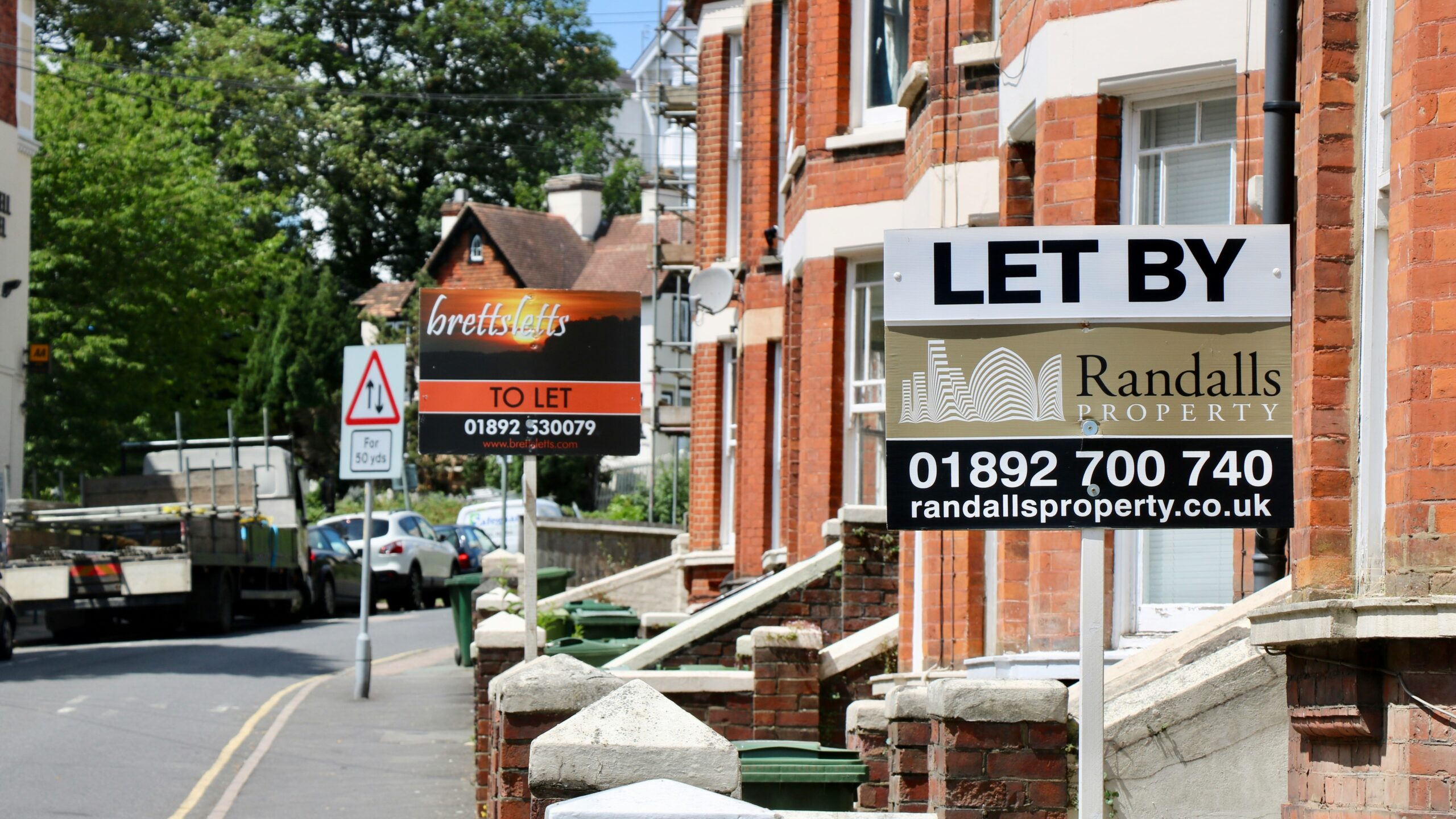
The median asking rent for an empty apartment or rental home hit $1,531 in the second quarter of 2026, according to new Census Bureau data, and the share of rental units sitting vacant climbed to its highest second-quarter level since 2020. For the country’s renter households, that combination is unusual: asking rents are still climbing, but landlords are also competing harder to fill units than they have in years. A rising vacancy rate is one of the few forces that can work in a renter’s favor, and this is the loosest the second-quarter market has looked in six years.
Median Asking Rent Climbs to $1,531 in the Census Bureau’s Latest Count
The U.S. Census Bureau’s Housing Vacancy Survey, released July 28, 2026 as report CB26-116, put the median asking rent for a vacant, for-rent housing unit at $1,531 in the second quarter of 2026. That number covers units that are currently empty and listed for rent — what a landlord is asking a new tenant to pay right now, not what every existing renter is already paying under an older lease. The same release put the national rental vacancy rate at 7.3 percent, meaning roughly 1 in every 14 rental units nationwide was standing empty and on the market.
Both figures moving in the same direction is the notable part of this release. A year earlier, in the second quarter of 2025, the rental vacancy rate stood at 7.0 percent and the median asking rent was lower than $1,531. Landlords are asking for more money per unit even as more of their inventory sits unrented, which points to the increase being driven by new supply concentrated in specific fast-building markets rather than a broad wave of renters giving up their searches. The Census Bureau’s full second-quarter release is drawn from the Current Population Survey/Housing Vacancy Survey, a sample survey the bureau has run every quarter since 1956.
Free retirement updates: One number can cost or save hundreds a month in retirement. The free Retirement Shield newsletter surfaces the ones worth knowing. Sign up free.
The Loosest Second-Quarter Rental Market Since 2020
Census has published a second-quarter rental vacancy rate every year since 2020, and 7.3 percent is the highest reading in that entire stretch. The rate was 5.7 percent in the second quarter of 2020, rose to 6.2 percent in 2021, then actually eased to 5.6 percent in 2022 — the tightest point in the series, and the year asking rents climbed fastest because landlords held nearly all of the leverage. From that low point the rate climbed again in every year that followed: 6.3 percent in 2023, 6.6 percent in 2024, 7.0 percent in 2025, and now 7.3 percent in 2026.
That six-year climb is laid out in the bureau’s own historical vacancy-rate tables, which were revised and republished the same day as the second-quarter release. The pattern matters for renters because vacancy and asking rent usually move in opposite directions once supply catches up with demand. Here, rents are still climbing on top of a looser market rather than falling with it, which suggests new apartment construction in a handful of fast-growing metro areas is filling up even as older buildings, or units priced above what an area can support, sit empty for longer stretches.
The South Has the Most Empty Rentals, the Northeast the Fastest-Rising Rate
Vacancy is not spread evenly across the country. The South posted the highest regional rental vacancy rate at 9.5 percent, followed by the Midwest at 6.9 percent; the Northeast, at 5.9 percent, and the West, at 5.3 percent, were not statistically different from each other. Vacancy also varies by location within a metro area: it was highest inside principal cities at 8.0 percent, lower in the surrounding suburbs at 6.9 percent, and lowest of all outside metro areas entirely, at 5.8 percent.
Of the four regions, only the Northeast’s year-over-year increase — up from 5.2 percent in the second quarter of 2025 — was large enough for the Census Bureau’s own statistical testing to call it a meaningful change. The South’s rate ticked up from 9.0 percent and the West’s actually eased slightly from 5.7 percent, but per the methodology described on the bureau’s Housing Vacancies and Homeownership release page, both of those moves fall within normal sampling variation. The more accurate read is that the South remains the loosest rental region in the country by a wide margin, not that it is loosening further this particular year.
What a Looser Market Actually Buys the 46.8 Million Renter Households
The same report counted 46.8 million renter households nationwide in the second quarter of 2026, up from 46.4 million a year earlier, growth that outpaced the increase in owner households over the same stretch. For that group, a rising vacancy rate is close to the only leverage a renter gets: a landlord sitting on more empty units has more reason to waive an application or move-in fee, throw in a free month of rent, hold a lease renewal flat instead of raising it, or simply negotiate rather than relisting the unit to the next applicant at a higher price.
That leverage is real, but it is local and it is limited. It shows up unit by unit inside a leasing office, not as a nationwide rent decline — the $1,531 median asking rent is a snapshot of what’s actually being offered right now, and it climbed even as vacancy did. A renter’s best use of a looser market is specific rather than general: comparing how a particular building’s vacancy looks against others nearby, negotiating before signing a lease rather than after, and treating a landlord’s willingness to deal as a read on local conditions rather than a nationwide trend. The homeownership rate, meanwhile, held essentially flat at 65.0 percent in the same report, which means most of the households navigating this looser rental market aren’t choosing to rent instead of buy this quarter — they’re doing the same math they did the quarter before, just with a little more room on the vacancy side of the ledger.
This article was produced with AI assistance and reviewed by a human editor. Figures are linked to their primary sources; where a claim could not be verified from the public record, we say so.
More Financial Reading