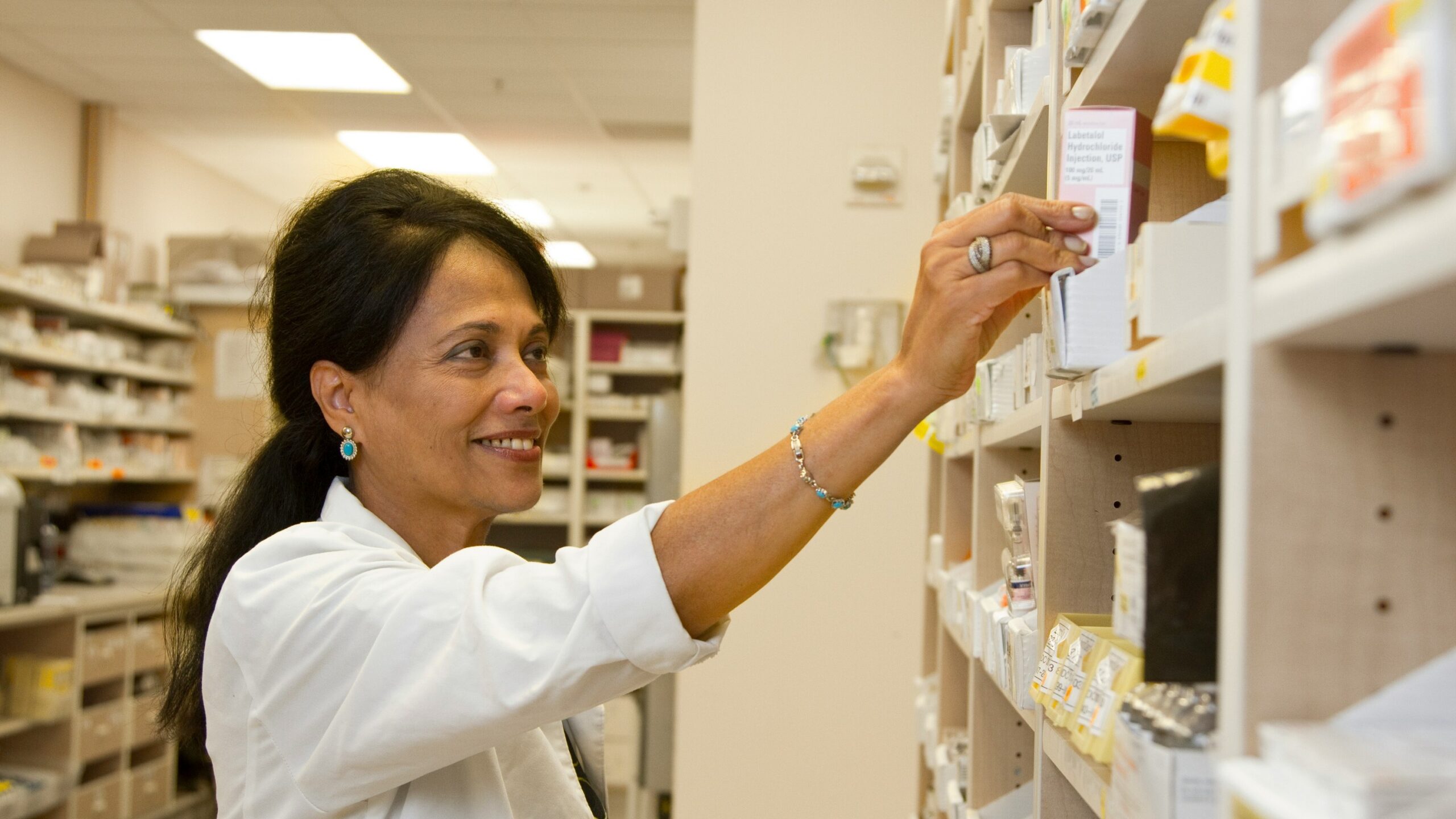
Nine more pharmaceutical companies have agreed to sell their products to state Medicaid programs at “most-favored-nation” prices, the discounted rates that other wealthy countries already pay. The White House announced the deals on August 31, bringing the total number of manufacturers in the program to 26. For a household that depends on Medicaid to cover a family member’s prescriptions, the change touches drugs used to treat hemophilia, Parkinson’s disease, macular degeneration, glaucoma, liver disease, skin conditions and several forms of cancer.
The agreements were announced as a White House fact sheet, not as new legislation, and they take effect through direct deals between the federal government and each manufacturer rather than a change to Medicaid law.
Nine Manufacturers Sign Onto the Most-Favored-Nation Pricing Framework
The nine companies named in the White House fact sheet are Alcon, Astellas Pharma, BeOne Medicines, BridgeBio, CSL, Kyowa Kirin, Sun Pharma, Teva Pharmaceuticals and UCB. The administration describes them as mid-sized manufacturers, distinct from the larger companies — Pfizer, Eli Lilly, Merck, Novartis and others — that signed earlier most-favored-nation agreements going back to September 2025. Each of the nine companies has now agreed to sell products used to treat chronic and rare conditions at prices in line with what comparable developed nations pay, rather than the higher list prices that have historically applied in the United States.
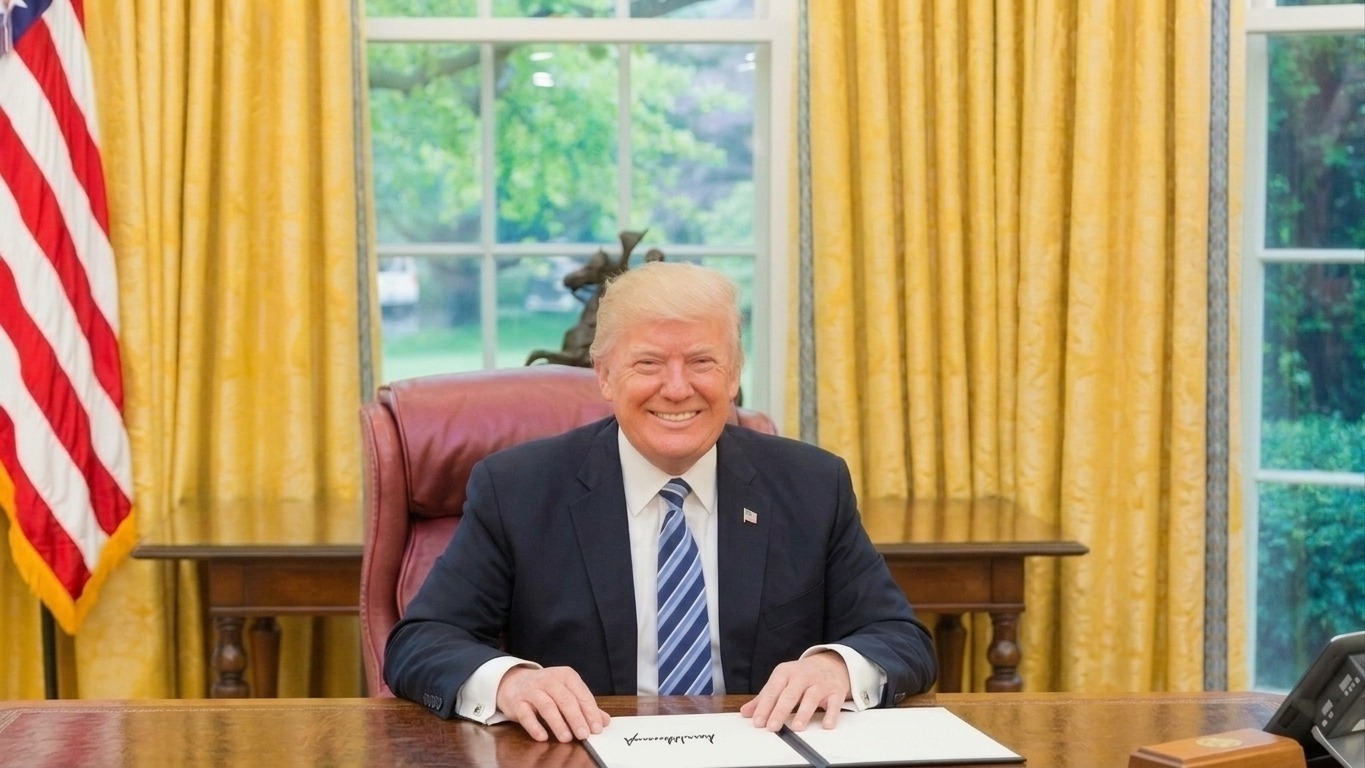
The fact sheet frames the deal as a continuation of an executive order President Trump signed on May 12, 2025, directing the administration to pursue most-favored-nation pricing, followed by letters sent in July 2025 to 17 major manufacturers outlining the steps needed to bring their U.S. prices down to that benchmark.
Free retirement updates: Keep more of your Social Security and savings with plain-English updates on the changes, deadlines, and costly mistakes retirees miss. Subscribe free.
What Most-Favored-Nation Pricing Means for a State Medicaid Program
The core of the deal is a pass-through: every state Medicaid program in the country, not a pilot group of states, gains access to most-favored-nation pricing on the products made by these nine companies. The fact sheet also states the pricing extends to any new innovative medicine the nine companies bring to market going forward, not just their current product lines. That is a broader commitment than a one-time price cut on existing drugs; it locks in the pricing structure for future releases as well.
Medicaid already runs a decades-old statutory discount system separate from this deal. Under the Medicaid Drug Rebate Program, roughly 780 manufacturers are required to sign a national rebate agreement with the Department of Health and Human Services and pay quarterly rebates on drugs covered by all 50 states and the District of Columbia, a system authorized under Section 1927 of the Social Security Act. The new most-favored-nation agreements sit on top of that existing rebate structure rather than replacing it, which is one reason the practical size of the added savings for any individual state program is not yet published.
The $19.6 Billion Manufacturing Pledge and the National Drug Stockpile
Beyond pricing, the nine manufacturers committed to invest at least $19.6 billion collectively in U.S. manufacturing in the near term, according to the fact sheet. Several of the companies also agreed to donate active pharmaceutical ingredients to the Strategic Active Pharmaceutical Ingredients Reserve, a federal stockpile intended to reduce reliance on foreign suppliers. UCB pledged 163 tons of the anticonvulsant levetiracetam; Sun Pharma pledged 71.4 tons of the antibiotic clindamycin and 6.75 tons of doxycycline; Teva pledged 45 metric tons of the antibiotic and antiparasitic drug metronidazole and 4.8 tons of the blood-pressure medication amlodipine; and Astellas pledged 25 kilograms of the anti-rejection drug tacrolimus.
Those commitments are framed around supply security rather than direct household savings, but they matter for anyone who has watched a routine prescription become hard to fill during a shortage. A domestic ingredient reserve is meant to blunt exactly that kind of disruption for drugs used by transplant patients, people managing seizure disorders and others on daily maintenance medications.
A Program That Has Grown to 26 Companies and 89 Percent of the Branded Market
With the nine new signatories, the administration now counts agreements with Pfizer, AstraZeneca, EMD Serono, Eli Lilly, Novo Nordisk, Amgen, Bristol Myers Squibb, Boehringer Ingelheim, Genentech, Gilead Sciences, GSK, Merck, Novartis, Sanofi, Johnson & Johnson, AbbVie, Regeneron and the nine companies announced this week — 26 manufacturers in total. The White House states that group now covers 89% of the branded drug market. The program launched publicly with the first agreement, involving Pfizer, on September 30, 2025, and expanded again with nine additional companies on December 19, 2025, before the administration opened TrumpRx.gov on February 5, 2026, as a site where patients can buy some of these drugs directly at most-favored-nation prices.
The $600 Billion Savings Figure Is a Decade-Long Projection, Not a Guarantee
The fact sheet cites a Council of Economic Advisers estimate that the full set of most-favored-nation deals will produce $600 billion in savings over the next decade. That number is a government economic projection tied to the broader 26-company program, not an audited or realized savings total, and it is not specific to the Medicaid portion of the deal covered here. The fact sheet separately states that patients have saved more than $700 million through TrumpRx since its February launch, and that a related program lets seniors without GLP-1 coverage access those obesity medications for $50 a month, with more than 500,000 seniors saving a combined $216 million in the two months after that program started. Those figures apply to TrumpRx purchases and the GLP-1 program specifically; they are separate from the state Medicaid pass-through described in this deal and were reported by the administration rather than by an independent auditor.
This article was produced with AI assistance and reviewed by a human editor. Figures are linked to their primary sources; where a claim could not be verified from the public record, we say so.
More Financial Reading