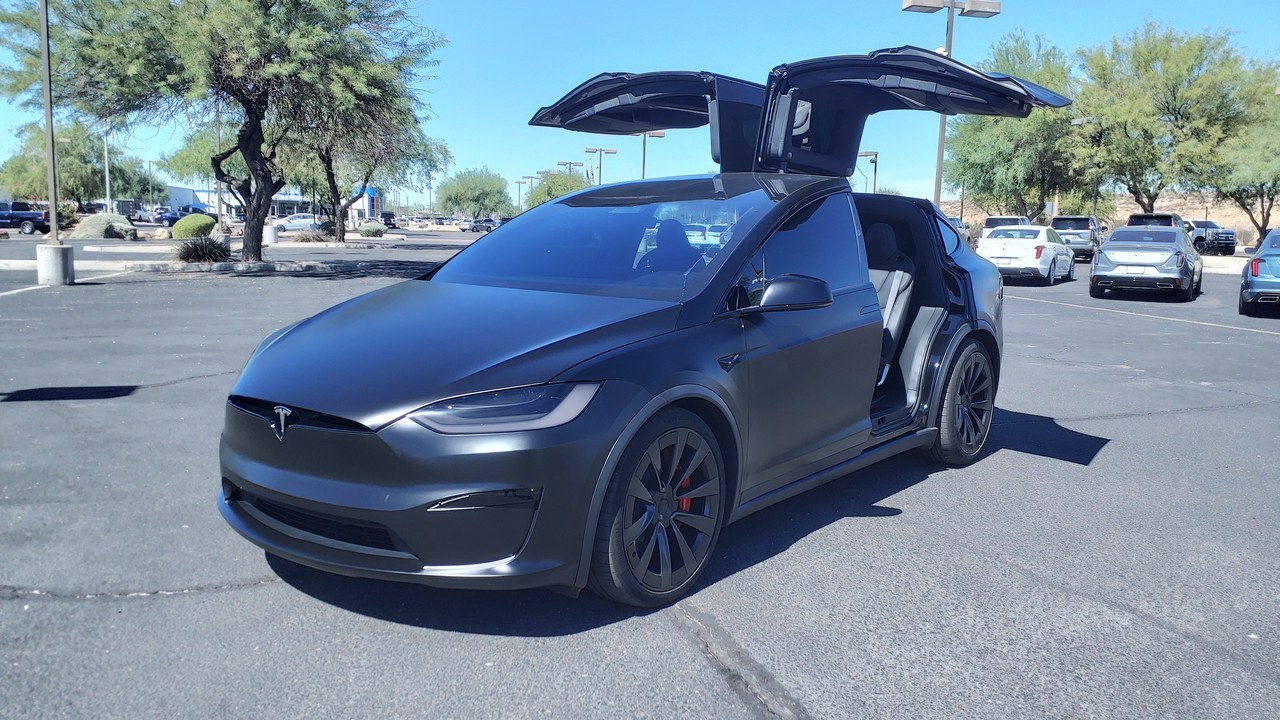
Tesla has told federal safety regulators it is recalling 20,349 Model 3 and Model Y vehicles because their low-beam headlights shine brighter than federal law allows, and the company does not yet have a repair ready to offer. For anyone driving one of the affected cars, or facing its headlights from the other lane at night, that combination is unusual: a safety defect confirmed, a recall opened, and no fix on the shelf. Owners are scheduled to hear from Tesla by mid-September, but there is little any of them can do before then, since the letter they receive will describe a problem without describing a solution.
Why Federal Regulators Flagged These Headlights
The recall covers certain 2017-2023 Model 3 sedans and 2020-2023 Model Y SUVs built with headlamp assemblies supplied by Marelli Automotive Lighting in Mexico. The problem sits in the low beams: on affected cars, they put out more light than federal rules allow in the outer upper-left and upper-right portions of a federally defined test zone, a violation of Federal Motor Vehicle Safety Standard 108, the rule that governs headlights, taillights and reflectors on every vehicle sold in the United States.
NHTSA’s concern is about the driver in the other lane, not the Tesla driver. Low beams that throw excess light into oncoming traffic reduce visibility for other drivers and raise the odds of a crash, the agency wrote in its recall acknowledgment letter. The affected population splits unevenly between the two models: 18,735 Model Y crossovers built between February 2020 and December 2023, and 1,614 Model 3 sedans built between July 2017 and December 2023, all carrying the same suspect headlamp assemblies.
Free retirement updates: Miss an enrollment or claim deadline and it may be gone. Our free Retirement Shield newsletter keeps readers ahead of the ones that matter. Get the free newsletter.
A Complaint That Traces Back to a 2023 Canadian Lab Test
This recall did not start with an American regulator. Under contract with Transport Canada, an independent lab tested a headlight pulled from a 2019 Model 3 in September 2023 as part of a routine compliance program, and testing completed that October found the lamp failed low-beam photometric limits, according to a review of the recall filing. Tesla opened a joint investigation with its supplier, Marelli, in January 2024, and follow-up testing confirmed the headlamps exceeded the legal brightness cap by as much as 105.1 candela in the zones regulators measure. Tesla’s own account of the case also states it has logged three warranty claims and one field report tied to the issue so far, a small number next to the 20,349 vehicles covered.
Tesla still tried to avoid a formal recall. The company petitioned NHTSA in April 2024, arguing the extra brightness was inconsequential to safety, then filed an amended version of that petition in May 2024. NHTSA rejected the petition on July 17, 2026, more than two years after Tesla first raised the argument, which cleared the way for the recall Tesla formally filed on August 4, 2026. That timeline means the defect was privately confirmed for nearly three years before any owner was told about it.
What ‘Remedy Under Development’ Means for the 20,349 Owners
Most Tesla recalls in recent years have been closed with an over-the-air software update, the kind the company has used to resolve other defects without a shop visit. This one cannot be, since it involves physical headlamp hardware. NHTSA’s recall file lists the remedy status as “Remedy Not Supplied” and directs Tesla to submit an amended report once a fix exists, a status still unchanged in an August 14 industry recall roundup, published alongside separate recalls the same week from Toyota, Chrysler and Rivian, that still describes the Tesla repair as under development. Notification letters are expected to reach owners around September 15, 2026, but by NHTSA’s own account, those letters will not come with a repair to schedule.
There is little an owner can do differently in the meantime. Tesla has not announced a loaner program, a rental reimbursement or any interim workaround tied to this recall, and no repair date has been set. The most an affected owner can do right now is watch for a notification through the Tesla app, which the company has said may arrive before the mailed letter, and hold onto the recall number, SB-24-17-003, for when a fix is finally ready.
Why the Eventual Repair Will Cost Owners Nothing
Federal law is unambiguous about who pays once a car is under a safety recall: the manufacturer, not the owner. Tesla’s recall letter reminds the company that federal law makes it illegal to sell a vehicle or piece of equipment that fails to meet an applicable safety standard, and it requires Tesla to keep filing status reports until the case closes. None of that changes because the repair is still being designed. Whenever the fix arrives, it comes free, unlike the out-of-pocket auto repairs households otherwise budget for on their own.
What that fix will look like is still an open question. It is unclear whether Tesla will adjust the existing headlamp assemblies or replace them outright, and if it chooses replacement, some owners could end up with different headlights than the ones their car left the factory with. An open recall with no repair available is also the kind of detail that can complicate a private sale or trade-in, so affected owners weighing either option have reason to wait for Tesla’s September letter rather than sell in the dark. Until Tesla files the amended remedy report NHTSA has required, the confirmed facts remain the ones in the agency’s own recall file: 20,349 vehicles, a documented FMVSS 108 violation, and a September 15 notification date that, for now, comes with nothing to repair.
This article was produced with AI assistance and reviewed by a human editor. Figures are linked to their primary sources; where a claim could not be verified from the public record, we say so.
More Financial Reading