A federal safety agency is telling nearly 377,000 households to unplug and throw away a combination natural gas and carbon monoxide detector immediately, warning that it may not sound an alarm during a life-threatening gas leak. The U.S. Consumer Product Safety Commission issued the warning on August 20 for the 4-in-1 Plug-In Natural Gas and Carbon Monoxide Detector, model KH158, a device sold online under 18 different brand names for as little as $13. What sets this apart from an ordinary recall is what CPSC could not get from the manufacturer: an agreement to repair, replace or refund a single unit. That gap between the danger and any reimbursement is what households who bought one need to understand before spending more money on a fix.
376,974 Units Sold Under 18 Brand Names Since 2024
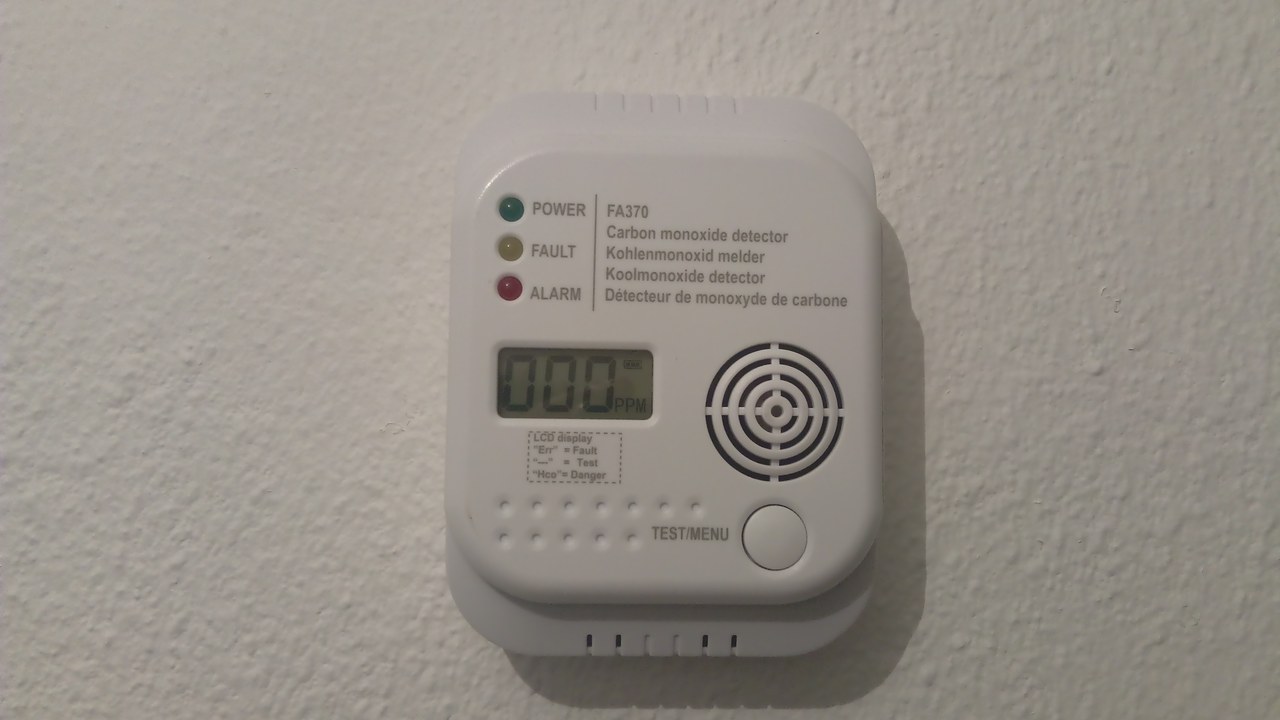
CPSC’s Product Safety Warning 26-706, published August 20, covers an estimated 376,974 units of the KH158 detector, a white, gray or black plug-in device with a digital display, a “SELF-TEST” button and indicator lights marked POWER, FAULT and ALARM. The agency says it has received 91 reports of the detectors failing to sound during an actual gas or carbon monoxide event. The units shipped under 18 separate brand names, including ARIKON, ELECOIN, FLUNGSKY, HAOKESITE, Hembisen, JNHCD, KAKIMENT, KH Alert, KOABBIT, NICGOL, NORJAN, OUMEBIU, Sooguard, Vilfet, Vzmcov, WESHLGD, XLA Alert and YOJOCK, on Amazon, eBay, AliExpress, Micro Center’s website and Snapklik, from June 2024 through July 2026, for between $13 and $140.
That brand sprawl is not an accident. Cheap plug-in safety gadgets are frequently made by one overseas factory and resold under dozens of storefront-specific labels, which is how a single defective design can end up in nearly 377,000 homes while looking, on any one listing, like a small, obscure purchase. The manufacturer is listed as Shenzhen Kanghua Shengshi Industrial Co., Ltd., doing business as KH Alert, based in China. Because the product plugs directly into a wall outlet rather than running on battery backup, a household that unplugs it loses gas and carbon monoxide monitoring in that room entirely until a working replacement goes in.
Free retirement updates: Miss an enrollment or claim deadline and it may be gone. Our free Retirement Shield newsletter keeps readers ahead of the ones that matter. Get the free newsletter.
A Warning Isn’t a Recall, and the Difference Is Your Refund
CPSC’s own recall program describes a recall as a remedial action in which a company notifies consumers of a defect and then repairs, replaces or refunds the product. None of that is happening with the KH158. The agency states plainly that the manufacturer “has not agreed to recall these detectors,” which means there is no company hotline collecting returns, no prepaid shipping label and no refund check for anyone who bought one. The instruction stops at “stop using and dispose of.”
The contrast shows up eight weeks earlier in the same warning-and-recall system. On June 25, CPSC announced a Fast Track recall of about 20 Treatlife combination smoke and carbon monoxide detectors sold on Amazon, after that company agreed to refund every buyer in full. Twenty units against 376,974 is a reminder that a recall’s remedy depends less on how many people are affected and more on whether the manufacturer is willing, or reachable enough, to cooperate with the agency at all.
The 91 Failure Reports Behind “Stop Using Immediately”
CPSC’s incident count is what pushed the agency to a same-day stop-using instruction rather than a routine product notice. In each of the 91 reports on file, the detector was present during a gas or carbon monoxide event and did not alarm, the opposite of the one job the device exists to do. The agency has not published how many of those incidents resulted in injury, only that the failures were reported and that every KH158 owner should treat their unit as unreliable rather than wait to find out whether theirs is one of the 91.
Consumers who owned one are directed to report the product to SaferProducts.gov if they experienced a failure or a related injury, separate from simply discarding the unit. That public incident database is also part of what regulators use to decide whether a warning like this one eventually escalates into a mandatory recall action against a manufacturer that keeps declining to cooperate.
What Actually Protects Your Household Now
The fix here is not a repair kit; it is a new detector, bought at the household’s own expense. CPSC recommends buying only carbon monoxide alarms that meet the UL 2034 safety standard, installing one on every level of the home and one outside each separate sleeping area, and choosing battery-operated units or ones with battery backup, so a power outage does not leave a home unprotected the way a plug-only KH158 unit would.
A basic battery or battery-backup detector that meets that standard typically runs $20 to $40 at a hardware store, real money to spend twice on the same safety gap for a household already out the $13 to $140 it paid for a KH158 unit. But CPSC’s warning is specific about what the alternative looks like: a device that may not sound at all when carbon monoxide is actually in the air.
This article was produced with AI assistance and reviewed by a human editor. Figures are linked to their primary sources; where a claim could not be verified from the public record, we say so.
More Financial Reading