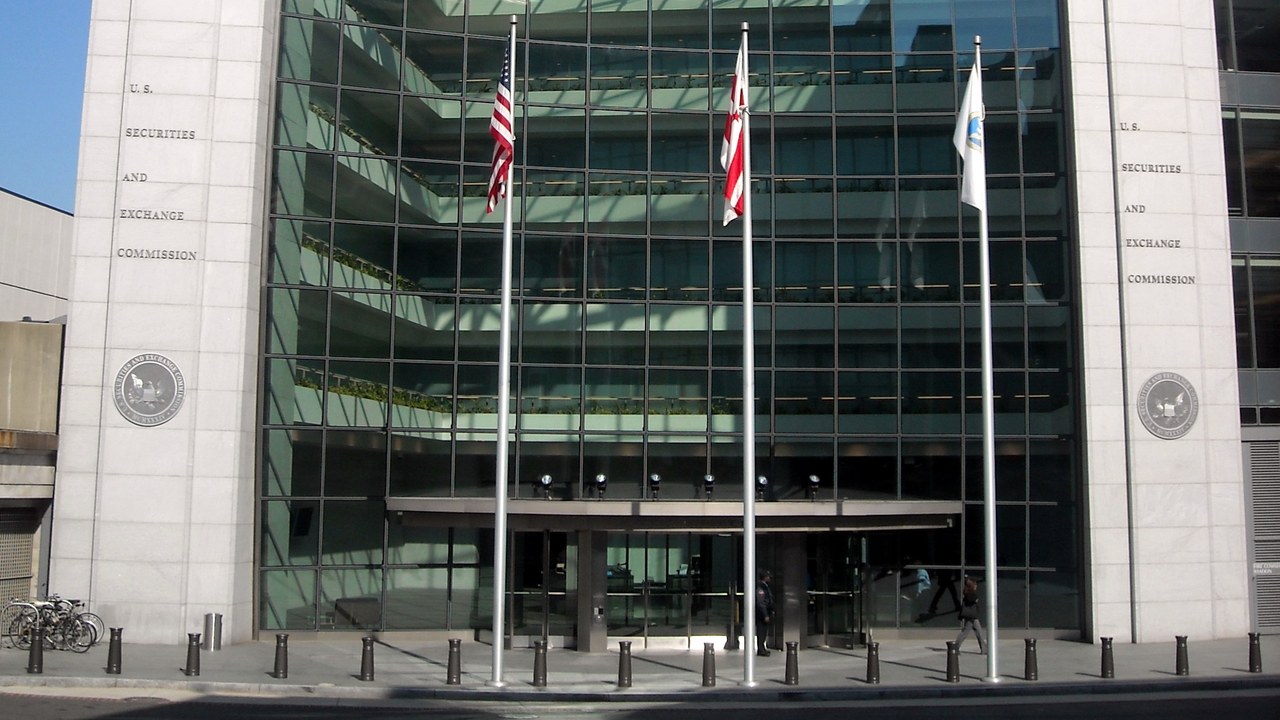
Two former executives at a Marin County real estate lending firm are accused of running one of the larger alleged Ponzi-like schemes of the year, and most of the people who put money in were already retired. The Securities and Exchange Commission announced charges on September 1 against Mark D. Hanf, former CEO of Pacific Private Money Group, and Hoai-Nam Chu Phan, the firm’s former chief operating officer, alleging they raised more than $80 million from roughly 190 mostly retail investors under false pretenses. Regulators say a large share of that money never went where investors were told it would go.
What Investors Were Told, and What the SEC Says Actually Happened
According to the SEC’s complaint, Hanf and Phan ran two private funds under the Pacific Private Money Group name and told investors between December 2021 and November 2025 that their capital would be used to originate or purchase loans secured by real estate. Investors were promised preferred or fixed rates of return tied to that real estate lending business. Retirees, in particular, are drawn to this kind of pitch because it sounds like the fixed-income assets — CDs, bonds, annuities — they already understand, just with a better rate attached.
The SEC alleges that instead of relying on real estate lending income, Hanf and Phan regularly used newer investors’ money to keep paying returns to earlier investors — the defining mechanic of a Ponzi-like scheme — while the “preferred returns” they touted were largely sourced from that same new money rather than from any actual lending profit. The agency also alleges Hanf personally diverted more than $7 million of investor funds for his own use.
Free retirement updates: Miss an enrollment or claim deadline and it may be gone. Our free Retirement Shield newsletter keeps readers ahead of the ones that matter. Get the free newsletter.
The Math That Shows Why the Scheme Allegedly Unraveled
The numbers in the SEC’s complaint explain why regulators describe this as a collapse rather than an ongoing operation. Total outstanding investments across the two funds ran to almost $121 million, but by February 2026 the SEC says the total recoverable assets of those funds were estimated at less than $17 million. Jason Lee, associate director of the SEC’s San Francisco Regional Office, said the alleged scheme “began to unravel in the fall of 2025 as numerous investors demanded to withdraw their money and the defendants did not have sufficient funds to satisfy those requests.” A gap that size — roughly $104 million between what was owed and what is estimated to be left — is the kind of shortfall that typically means most investors recover only a fraction of what they put in, if a recovery process is ever set up at all.
Why Retirees Were the Preferred Target
Private real estate lending funds like this one are typically sold through word of mouth, financial advisors or in-person seminars rather than public markets, which makes them harder for an outside investor to research and easier for a seller to control the pitch. Fixed-return promises appeal especially to people living off savings, because the story matches what a retiree is already looking for: steady income without stock-market swings. The SEC’s own description of the victim pool — approximately 190 mostly retail investors, many of them retired — fits a pattern regulators see repeatedly in private-fund fraud cases: a niche product marketed narrowly to people who have already accumulated a lump sum and are trying to make it last.
What Has Not Happened Yet
It is worth being precise about where this case actually stands. The SEC has filed a civil complaint in the U.S. District Court for the Northern District of California; it has not obtained a verdict, and neither Hanf nor Phan has been found liable for anything by a court. Both men consented to a proposed judgment — without admitting or denying the SEC’s allegations — that would permanently bar them from securities violations and from participating in the issuance or sale of securities, with the exact amount of any disgorgement, interest or civil penalty to be decided later by the court. There is no restitution fund, no claims deadline and no dollar amount yet assigned to what any individual investor might eventually get back.
What an Investor in a Similar Fund Should Do Now
Anyone who has money in a private real estate lending fund, whether or not it is connected to this case, has a few concrete steps worth taking this week. Ask the fund manager directly, in writing, for the most recent audited financial statements and a current accounting of outstanding loans versus available cash. Confirm whether the fund is registered with the SEC or exempt, and check the manager’s name against SEC and state securities regulator records before adding new money. Investors who suspect they are being paid returns from new deposits rather than real investment income — the hallmark the SEC alleges here — can review the warning signs and file a tip through the SEC’s investor education site, which is a faster and safer path than waiting to see whether withdrawal requests eventually stop being honored.
This article was produced with AI assistance and reviewed by a human editor. Figures are linked to their primary sources; where a claim could not be verified from the public record, we say so.
More Financial Reading