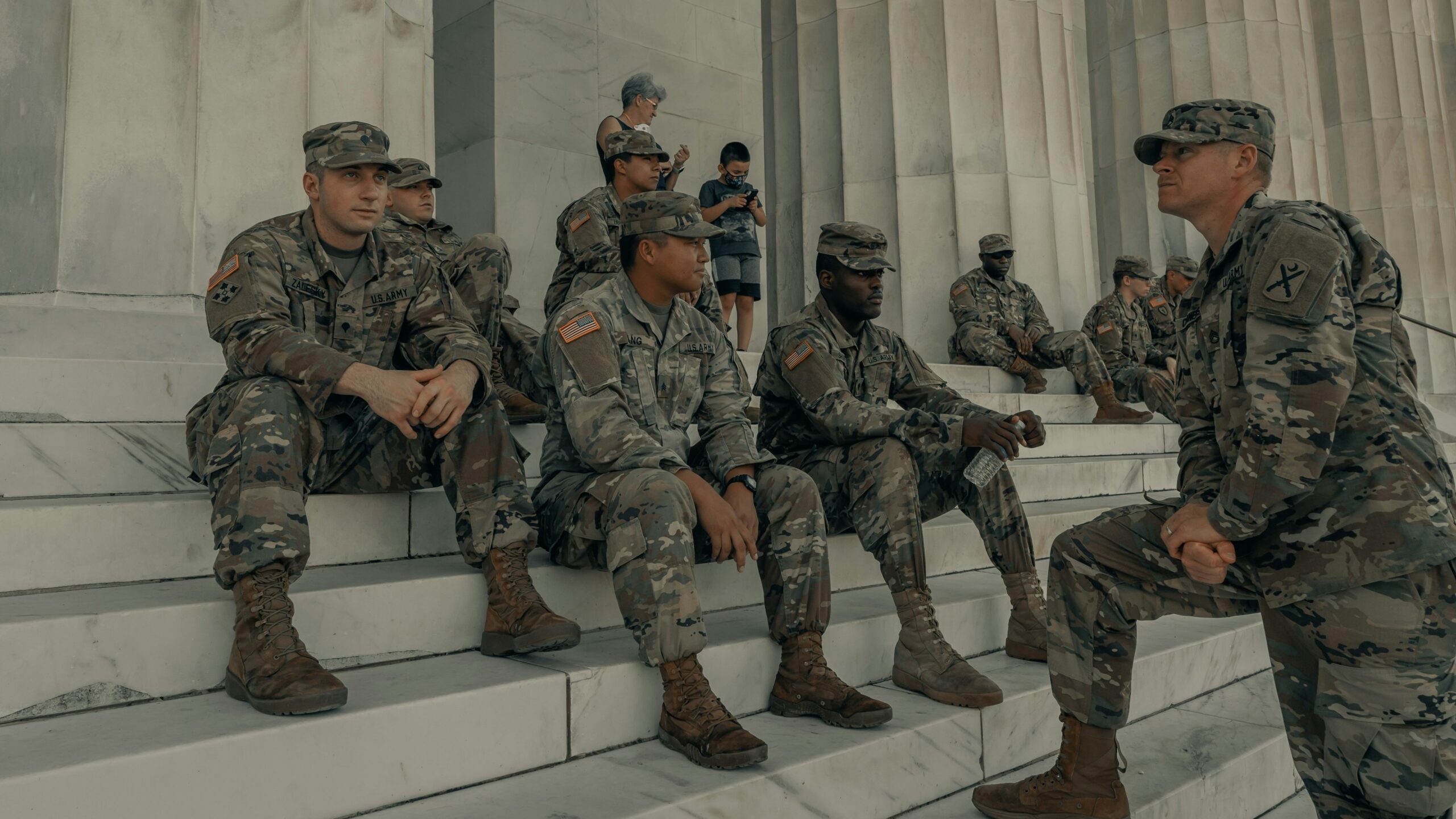
The same White House document that would freeze civilian federal pay for 2027 does the opposite for the youngest members of the armed forces. Buried in the back half of an alternative pay plan built around holding General Schedule salaries flat sits a directed increase for military basic pay, and the biggest number in it goes to the troops who make the least.
The Raise Breakdown by Rank
Under the plan, junior enlisted service members in grades E-1 through E-5 are directed to receive a 7.0 percent basic pay increase effective January 1, 2027 — the largest percentage increase in the document, civilian or military. Grades E-6 through O-3 are directed to 6.0 percent, and O-4 and above to 5.0 percent, a sliding scale that puts the biggest raises at the bottom of the pay chart and the smallest at the top. Non-Armed-Forces uniformed services, including the commissioned corps of the Public Health Service and NOAA, are directed to a flatter 3.6 percent increase across the board.
Those percentages would apply to the 2026 basic pay tables currently published by the Defense Finance and Accounting Service, which remain the baseline until a new table is issued. Because the increase is a percentage applied to existing basic pay rather than a flat dollar amount, the actual size of a given raise in dollars still depends on a service member’s current pay grade and years of service, even though every E-1 through E-5 sees the same 7.0 percent applied to their own base.
Free retirement updates: Social Security and Medicare change every year, and nobody sends you a memo. Our free Retirement Shield newsletter breaks down what changed and what to do. Get it free in your inbox.
Same Document, Opposite Direction From the Civilian Freeze
House Document 119-189, transmitted to Congress August 26 and printed August 27, is a single alternative pay plan that covers both civilian and military pay under the president’s determination authority. For General Schedule civilian employees, it holds base and locality pay at the 2026 rates published by the Office of Personnel Management for all of 2027 — a full freeze. For military basic pay, the same document moves in the opposite direction, directing increases across every pay grade. Two different populations, one transmittal, and two very different outcomes: a General Schedule employee sees no automatic increase in January, while an E-1 through E-5 service member sees the largest raise in the document.
The contrast reflects two different comparability formulas working on two different workforces. Civilian General Schedule pay is measured against private-sector wage data collected under the Federal Employees Pay Comparability Act, while military basic pay is measured against a separate benchmark tied to the Employment Cost Index — a distinction that means a single administration can, in the same document, freeze one workforce’s pay while directing an increase for the other without those two decisions being in tension with each other under the law.
Law Enforcement’s Piece Still Waiting on a Definition
The plan also directs a 3.8 percent increase for federal law enforcement personnel, a category that sits between the civilian freeze and the military raise in the same document. That figure is set, but the positions it actually covers have not yet been designated, which means the raise exists on paper for a category of employee that has not yet been fully specified. It’s a reminder that even the parts of the plan with a firm percentage attached can still have open implementation questions.
How the Raise Reaches a Junior Enlisted Paycheck
Military basic pay increases are not automatic in the way General Schedule locality tables are. Like the civilian side of the same document, the military pay direction in an alternative pay plan operates as a presidential determination under the statute governing military pay adjustments, and it takes effect through the same implementation process that finalizes the civilian tables — typically an order issued in the final weeks of the year, ahead of the new rates taking effect the following January. Separately, the House and Senate have been negotiating their own military pay language as part of this year’s National Defense Authorization Act: the House version backs the same 5-to-7-percent range as the alternative pay plan, while the Senate’s draft proposed a flatter 3.6 percent increase across all grades, and the two chambers are still working out a final NDAA text. Whichever process finishes last effectively sets the number that lands in a January 2027 paycheck.
This Still Needs the Same Follow-Through as the Civilian Freeze
Nothing about the military side of House Document 119-189 is self-executing any more than the civilian freeze is. It is a directive from the same transmittal, subject to the same implementation steps, and — in this case — potentially subject to whatever the House and Senate ultimately agree on in the defense authorization bill working its way through Congress in parallel. For a junior enlisted service member checking a pay chart against next year’s budget, the 7.0 percent figure is the number currently on the table across both processes tracking toward January 2027, which is the most concrete answer available as of this document’s transmittal.
This article was produced with AI assistance and reviewed by a human editor. Figures are linked to their primary sources; where a claim could not be verified from the public record, we say so.
More Financial Reading