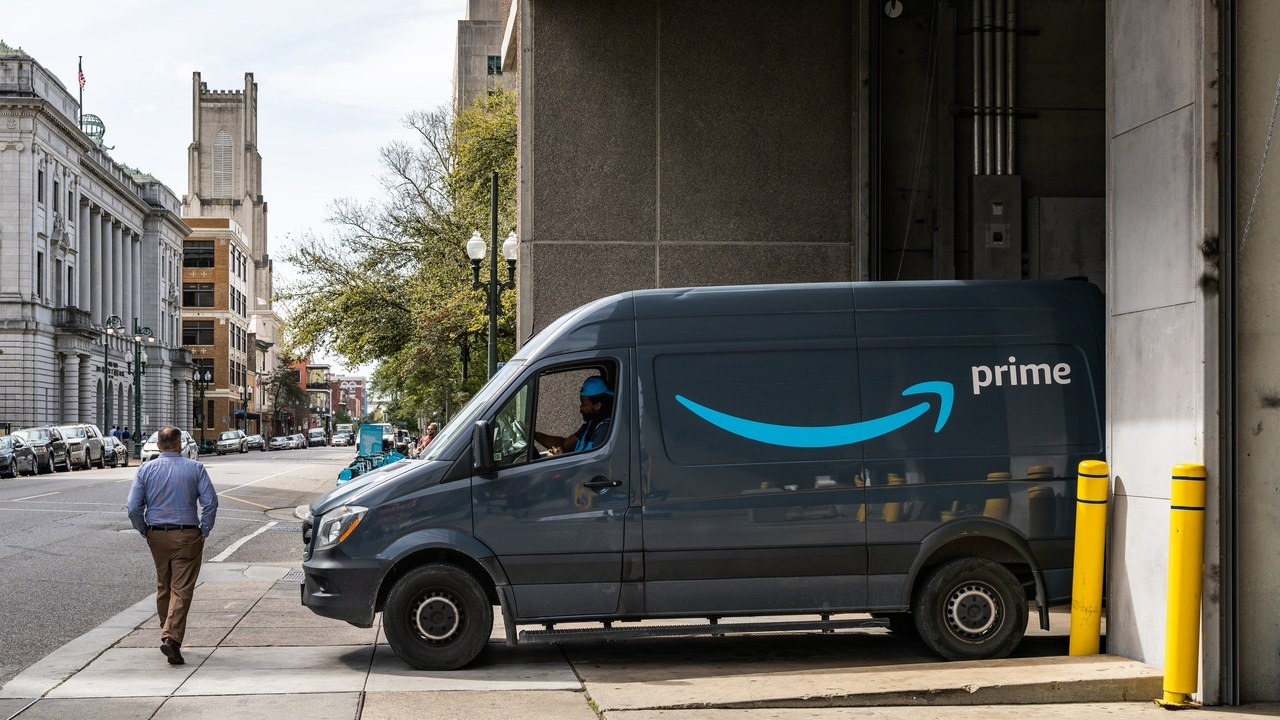
Freight haulers paid $5.599 for a gallon of diesel last week, the fuel that moves nearly every trucked item on a grocery store shelf from the farm or port to the checkout line. That’s down slightly from the week before, but it’s nearly 50 percent above what the same tank cost a year ago — a jump that shows up less in a receipt at the pump and more in the price of everything a truck delivers.
Diesel Settles at $5.599 After a Sharp Two-Week Run-Up
The U.S. Energy Information Administration’s weekly survey, released September 1 for the week ending August 31, put the national average for on-highway diesel at $5.599 a gallon, down 5.3 cents from the $5.652 recorded the week before. Diesel had climbed nearly 20 cents in the two prior weeks before this small pullback, and the current price still sits well above where it started the summer. Unlike gasoline, diesel isn’t primarily a consumer fuel — it’s an industrial input, and its price moves directly into the cost of shipping almost anything sold by weight or volume.
Free retirement updates: Want plain-English help keeping more of your money in retirement? The free Retirement Shield newsletter covers the benefits, deadlines, and money mistakes that cost retirees, a couple times a week. Subscribe free.
Why Diesel Is the Hidden Line Item in a Grocery Bill
Every truck that carries produce, dairy, packaged goods or meat from a distribution center to a store runs on diesel, and that cost gets built into the shelf price long before a shopper sees it. A 49.95 percent increase in fuel costs over a year doesn’t translate one-to-one into food prices, since fuel is only one input among labor, packaging and the cost of the product itself, but for high-volume, thin-margin categories like groceries, freight costs are one of the few line items that moves in near-real time. A grocery chain running thousands of weekly truck routes absorbs a diesel increase this size very differently than a single commuter absorbs a gas price increase — the cost gets spread across every case of goods on the truck.
EIA’s own diesel survey underscores how commercial the fuel really is. The agency prices it at truck stops — outlets built with dedicated diesel bays sized for tractor-trailers, plus amenities like showers, parking and repair bays — separately from ordinary service stations that sell diesel alongside gasoline. Truck stops move far larger volumes per outlet, which is part of why a diesel price swing translates into freight costs faster than a gasoline swing translates into a single driver’s commute; the fuel is bought disproportionately by the same commercial fleets that haul groceries, not by individual shoppers filling up a sedan on the way home.
The Nearly 50 Percent Jump, By the Numbers
A year ago, diesel averaged $3.734 a gallon nationally. Today’s $5.599 average is $1.865 higher, or 49.95 percent — genuinely “nearly 50 percent,” not a rounded-up approximation. For a long-haul truck averaging 6 miles per gallon over a 500-mile grocery run, that fuel cost alone has risen by roughly $155 compared with the same trip a year ago. Multiply that across the thousands of trucks moving food into distribution centers and retail stores every week, and the freight-cost pressure becomes a real, if diffuse, driver behind grocery inflation that consumers rarely connect to a fuel price they never personally pay at a pump.
West Coast and California Diesel Run Far Above the National Average
Regional spreads are even wider for diesel than for gasoline. The West Coast averaged $6.497 a gallon for the week, and California alone reached $7.218 — up nearly 18 cents from the week before, even as the national average fell. The Gulf Coast, by contrast, averaged $5.360 and the Midwest came in at $5.571. For grocery chains sourcing West Coast produce or running distribution networks through California ports, freight costs on those specific routes are running well above the already-elevated national number, a gap that can show up as regional price differences on the same items at stores in different parts of the country.
How EIA Tracks a Number Most Shoppers Never See
EIA’s diesel survey methodology samples retail truck-stop and fleet pricing each Monday, the same rigor applied to the more familiar gasoline number, but diesel gets far less public attention despite driving a larger share of the cost embedded in everyday goods. Because diesel is bought mostly by businesses rather than individual consumers, its price swings don’t generate the same headlines as a jump at a gas station sign — even when the percentage increase is nearly twice the size of what drivers are seeing on gasoline. That precision comes from a genuinely commercial-focused sample: EIA draws its diesel prices from roughly 590 outlets across the contiguous United States — Alaska and Hawaii are excluded — selected from a frame of about 73,000 service stations and 9,500 dedicated truck stops. Every price represents ultra-low sulfur diesel, the less-than-15-parts-per-million-sulfur fuel that has been the only legal on-highway diesel sold nationwide since 2010. As with gasoline, EIA won’t publish a diesel estimate if more than half of the weighted volume behind it comes from imputed rather than reported prices, and the agency requires at least 80 percent of the weighted annual volume in its sample to be actively reporting each week. For an industry that runs on thin margins and long routes, that level of rigor is part of why freight brokers and grocery chains alike treat the Tuesday diesel number as a genuine planning input rather than a background statistic. The next weekly release is scheduled for September 9, and any household watching grocery prices has more reason to track that number than most people realize.
This article was produced with AI assistance and reviewed by a human editor. Figures are linked to their primary sources; where a claim could not be verified from the public record, we say so.
More Financial Reading