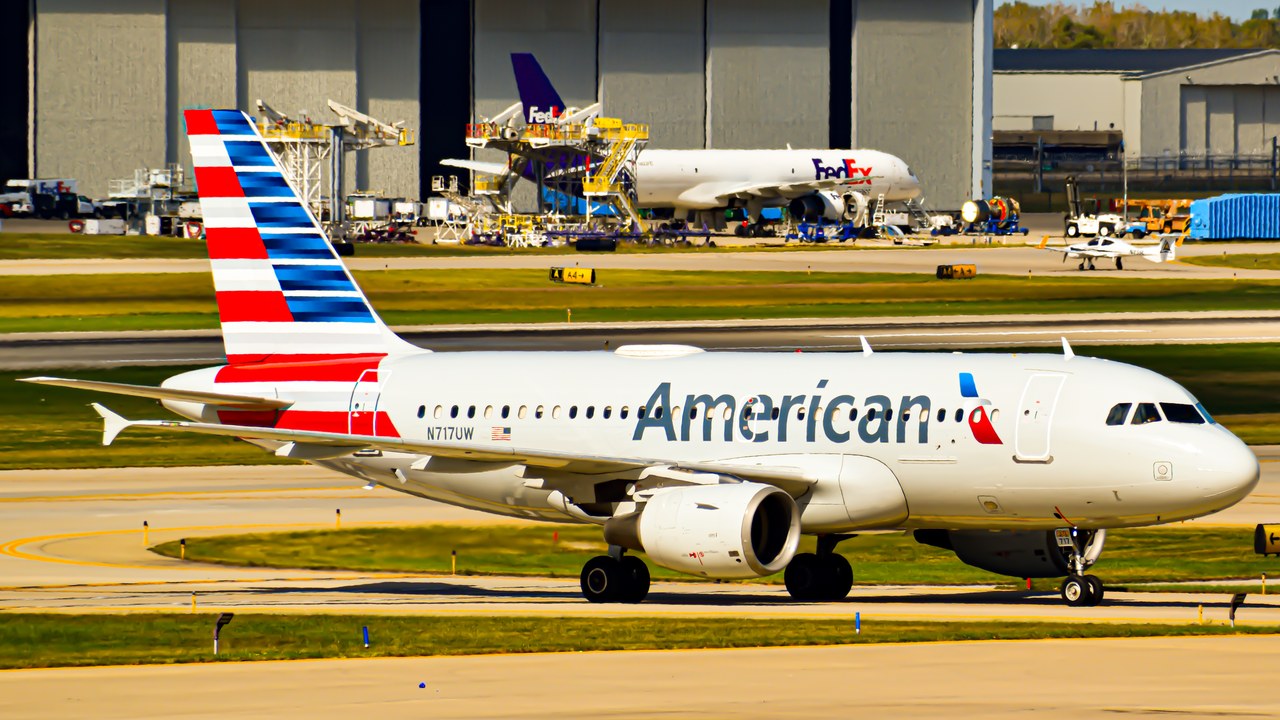
A former American Airlines reservations agent who lost her eyesight in an accident spent nearly four years on unpaid leave before the airline fired her, according to the U.S. Equal Employment Opportunity Commission. The agency announced on August 28 that American Airlines will pay $200,000 to resolve the case, along with a set of commitments meant to prevent the same outcome for the next employee who asks for help staying on the job after a disability.
What The Employee Asked For, And What The EEOC Says Happened Instead
The worker was a telephone reservations agent at American’s Fort Worth operations when she developed cortical blindness, a condition that leaves the eyes healthy but disrupts how the brain processes visual signals from them. According to the EEOC, she asked to use screen-reader software that converts on-screen text into synthesized speech, which would have let her continue operating the airline’s booking systems by ear rather than by sight. As an alternative, she asked to be transferred to a different position she could still perform.
Instead of pursuing either option, the EEOC alleges American placed her on involuntary, unpaid leave and left her there for nearly four years before terminating her employment, without ever helping her get the software working or identifying an alternative role.
Free retirement updates: Keep more of your Social Security and savings with plain-English updates on the changes, deadlines, and costly mistakes retirees miss. Subscribe free.
Why This Resolved As A Consent Decree, Not A Verdict
It matters, legally and financially, that this case ended in a consent decree rather than a trial. The EEOC filed suit as EEOC v. American Airlines, No. 4:25-cv-01056-P, in the Northern District of Texas, and the two sides reached a negotiated settlement approved by the court rather than letting a jury decide whether the airline actually violated the Americans with Disabilities Act. That distinction means American did not admit liability in the way a losing verdict would establish, but it also means the airline is now bound by specific, court-enforceable terms for the next two years, with the EEOC positioned to go back to court if the company falls short.
For a $200,000 settlement, that combination — real money changing hands plus binding operational commitments — is a more common outcome in federal disability cases than a trial verdict, which is comparatively rare because both sides typically have strong incentives to avoid the cost and unpredictability of a jury trial.
The $200,000 Goes Entirely To One Worker
Unlike a class action or a multi-employee back-wage recovery, the full $200,000 in this case is designated for a single former employee, not spread across a group. That reflects how ADA discrimination cases are typically resolved when they involve one worker’s specific accommodation request and termination, as opposed to a wage-and-hour case where dozens or hundreds of workers can each be owed a smaller individual share.
The settlement does not itemize how the $200,000 breaks down between back pay for nearly four years of lost income, emotional distress damages, or other categories — the EEOC’s release states the total figure without a line-item split. For comparison, nearly four years of even modest hourly reservations-agent pay would itself run well into that range before accounting for any additional emotional-distress component, which is one indication of how a multi-year unpaid leave can compound into a settlement of this size even without a jury ever weighing in on damages.
What American Airlines Committed To Change Going Forward
Beyond the payment, the consent decree requires American to build accessibility into a new reservation software platform the company has said it plans to launch in 2027, incorporating the Web Content Accessibility Guidelines from the start rather than retrofitting them later. Once that platform is live, American must have a trained specialist conduct an accessibility audit and commit up to 120 hours of labor to fix any barriers the audit finds for blind and visually impaired employees using the system.
The airline also agreed to train human resources staff who handle accommodation requests, post a notice about disability discrimination for employees to see, and report back to the EEOC on its compliance — the kind of structural terms that are only available through a negotiated decree, not through a straightforward damages verdict.
What The Case Signals For Workers Requesting Accommodations Elsewhere
The core legal question in ADA accommodation cases is usually not whether an employee has a qualifying disability, but whether the employer engaged in a genuine, good-faith effort to find a way to keep that employee working — what courts call the interactive process. An employer that simply parks a worker on unpaid leave for years without pursuing a workable accommodation, rather than actively trying options like assistive software or reassignment, is the fact pattern that tends to produce cases like this one.
Screen-reader software specifically is one of the more common and lowest-cost accommodations an employer can provide for a blind or low-vision employee, since it typically requires licensing existing software rather than redesigning a job from scratch. That is part of why the EEOC’s release places particular emphasis on the fact that American never got the software working for this employee during her leave, rather than framing the case as a situation where no workable accommodation existed at all.
For workers navigating their own accommodation requests, the practical lesson from the American Airlines case is that a long unpaid leave is not, by itself, a lawful substitute for accommodation — and a settlement of this size shows federal regulators are willing to pursue employers who let that gap stretch on for years rather than resolve it. Employees who feel their own accommodation request has stalled without a clear resolution can request a written update from HR on the status of the interactive process, creating exactly the kind of paper trail the EEOC relied on in building this case.
This article was produced with AI assistance and reviewed by a human editor. Figures are linked to their primary sources; where a claim could not be verified from the public record, we say so.
More Financial Reading