A Houston man’s sentencing this week closes out a case that shows exactly how far scam proceeds can travel before anyone gets them back. A federal judge ordered Oluwasegun Baiyewu to serve 95 months in prison for laundering more than $3.1 million taken from victims of business email compromise, romance, and unemployment insurance fraud schemes, money he and his co-conspirators converted into used cars and shipped overseas. Unlike many fraud cases still working through the courts, this one is finished: a jury convicted Baiyewu of conspiracy to commit money laundering in August 2025, and he was sentenced on August 27, 2026.
Turning a Stolen Wire Transfer Into a Used Car
According to the Justice Department, Baiyewu led a conspiracy that laundered stolen money by purchasing used and salvaged vehicles in the United States with illicit proceeds, then exporting those cars to West Africa. Between roughly May 2020 and October 2021, he coordinated with at least six co-conspirators in the United States and Nigeria over encrypted messaging apps like WhatsApp, arranging the receipt of scam money and its conversion into cars that could be shipped and sold an ocean away, far outside the reach of any U.S. bank’s fraud department.
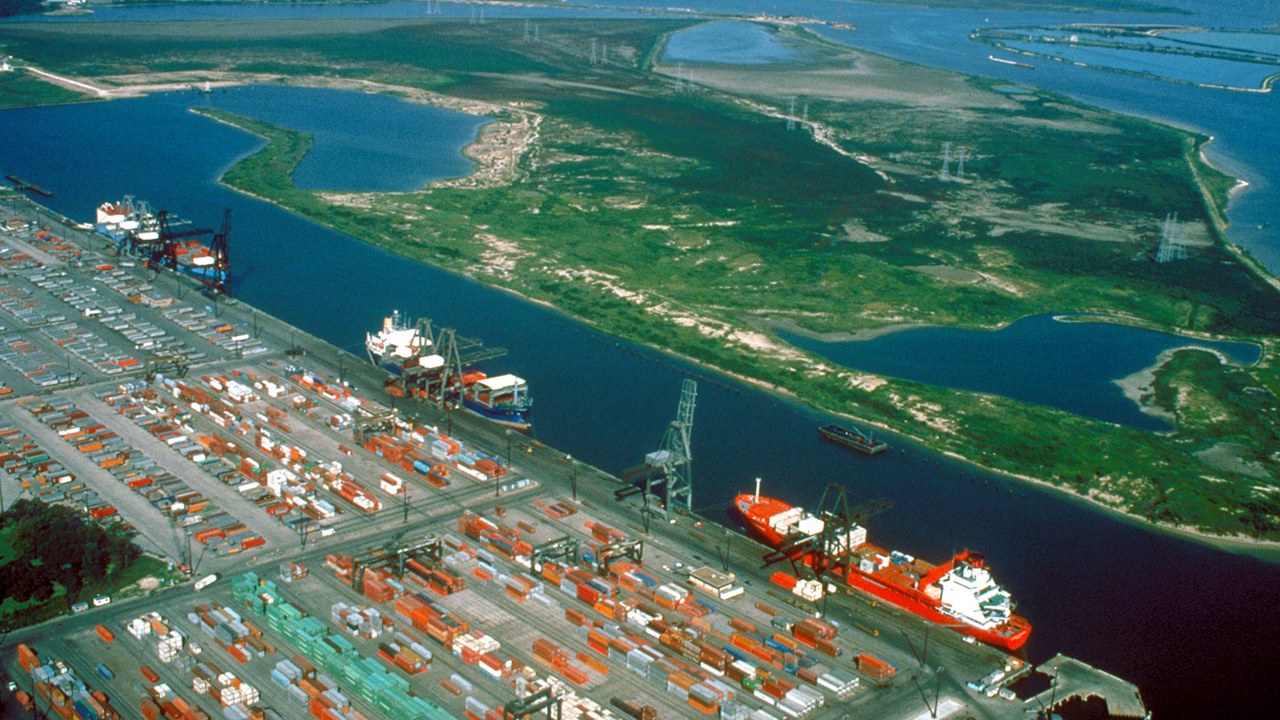
Vehicles make an unusually effective laundering tool because a title can change hands multiple times, and a car loaded onto an export container is functionally gone from the U.S. financial system the moment it leaves port. Cash sitting in a bank account can still be frozen with a phone call to the right compliance officer; a salvage sedan already at sea cannot. That gap between how fast money can be stolen and how slowly it can be recovered is what let a conspiracy built on relatively small individual thefts accumulate more than $3.1 million before it was fully unwound.
Free retirement updates: One number can cost or save hundreds a month in retirement. The free Retirement Shield newsletter surfaces the ones worth knowing. Sign up free.
The $280,000 Wire That Illustrates the Whole Scheme
One episode described in the sentencing announcement shows how quickly a single wire transfer becomes untraceable. A renewable energy company in Puerto Rico was tricked by a business email compromise scheme into wiring approximately $280,000 to accounts controlled by the fraud network. Baiyewu then worked with his co-conspirators to launder that money by putting it toward the purchase of cars located in the United States, which he arranged to export and ship to Nigeria for the benefit of the group. By the time the company realized the wire instructions it had followed were fraudulent, the cash had already been converted into a physical asset thousands of miles from any court order that could freeze it.
A Five-Defendant Network Built Around One Trial in San Juan
Baiyewu wasn’t laundering money alone. A related Justice Department announcement from the same case describes a five-defendant network that came together at a 22-day trial in San Juan, where Baiyewu was the last of the group to be convicted. Prosecutors said the network laundered proceeds from romance scams, pandemic-era unemployment insurance fraud, and business email compromise schemes that hit victims in California, Illinois, Washington, and Nevada, along with business victims in Puerto Rico and Missouri — and that the underlying fraud schemes disproportionately targeted elderly or otherwise vulnerable Americans, even when the laundering itself ran through car lots and shipping docks rather than directly through a victim’s bank account.
Why Business Email Compromise Keeps Outgrowing Every Other Scam
The mechanism at the center of this case, a wire transfer sent because an email looked like it came from a trusted source, is not a rare event. The FBI’s 2025 Internet Crime Report puts nationwide losses to business email compromise at just over $3.05 billion for the year, up from about $2.77 billion in 2024, making it one of the costliest categories of cybercrime the FBI tracks. The same report shows complainants age 60 and older alone reported more than $568 million in BEC losses in 2025. Once that money clears a wire transfer, the case against Baiyewu shows exactly where it can end up: a shell of legitimate-looking transactions, then a physical asset like a used car, sold or exported before a bank or a victim company has any real chance to claw it back.
What Slows Down a Wire Before It’s Gone for Good
The defense against this kind of scheme is procedural, not technical. A business that receives a request to change wire instructions, whether by email or by phone, should confirm the change by calling a known contact at the vendor or partner using a phone number pulled from an old invoice, not one included in the request itself. Individuals who suspect they’ve sent money to a scammer, or who are asked to route funds through an unfamiliar intermediary, can also contact the National Elder Fraud Hotline at 1-833-372-8311, a Justice Department resource for callers 60 and older that connects victims with the right reporting agency and can, in some cases, help law enforcement intercept funds before they leave the country. Speed is the one advantage a victim rarely has once money starts moving toward a shell company or, as in Baiyewu’s case, a car lot.
This article was produced with AI assistance and reviewed by a human editor. Figures are linked to their primary sources; where a claim could not be verified from the public record, we say so.
More Financial Reading