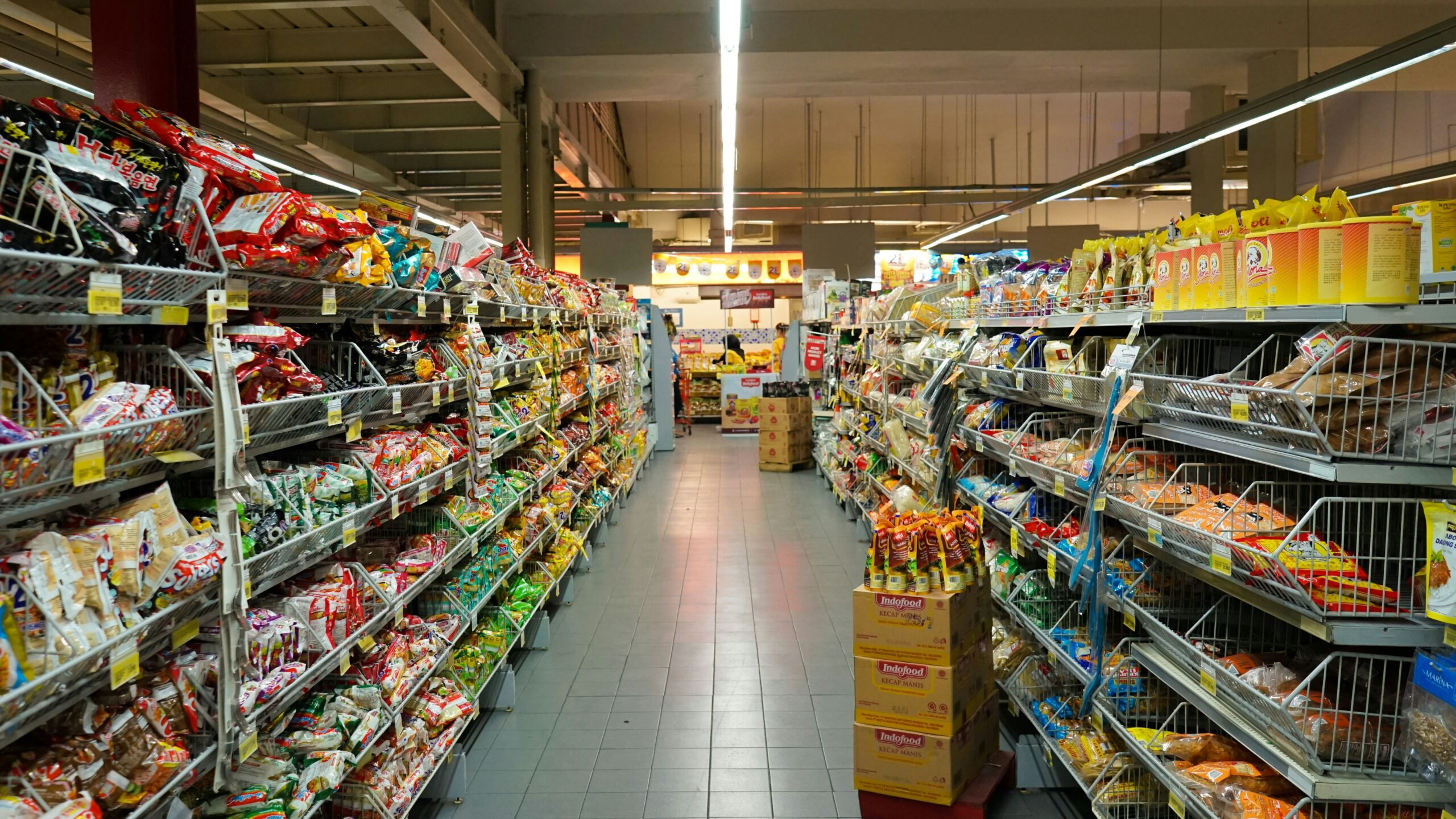
It sounds like a contradiction. A jar of cheese dip, a stick of butter, or a bag of beef jerky can no longer help a grocery store qualify to accept SNAP benefits, yet a SNAP shopper can still walk up to the register and buy any of them with an EBT card. That is not a drafting error. It is exactly how a new federal rule is designed to work, and the distinction comes down to two separate questions the rule answers differently.
Two Different Questions, Two Different Answers
The U.S. Department of Agriculture’s Food and Nutrition Administration finalized an update to SNAP retailer stocking standards on May 8, 2026, and the rule draws a sharp line between what a store must stock to keep its SNAP authorization and what a SNAP customer is allowed to buy. Those have always been two different tests, but for butter, beef jerky, cheese dip, snack bars and fruit spreads, the rule moves them further apart than before. The agency’s own guidance states it plainly: these five items “no longer qualify as staple foods” for purposes of a retailer’s stocking count, but they “are still eligible for purchase with SNAP benefits.”
Reclassifying an item does not touch the separate list of what SNAP dollars can buy, which is a broader federal standard covering nearly all food for home preparation. A store’s inventory mix is a licensing question; a shopper’s cart is an eligibility question, and this rule only rewrites the first one. The agency has been explicit that this distinction is intentional, restating in its own guidance that the rule “does not change what is eligible for purchase with SNAP benefits” even as it tightens what a retailer must carry.
Free retirement updates: Social Security and Medicare change every year, and nobody sends you a memo. Our free Retirement Shield newsletter breaks down what changed and what to do. Get it free in your inbox.
What ‘Staple Food’ Means Under the New Rule
To keep or gain SNAP authorization, a retailer other than a specialty store has to stock at least seven distinct varieties across four staple food categories: dairy, vegetables or fruits, grains, and protein. A variety has to be genuinely distinct from another item in the same category, and the final rule requires a perishable option in at least three of the four categories. Butter, jerky, cheese dip, snack bars and fruit spreads used to be counted somewhere within that framework in ways that let some stores treat them as an easy way to pad a category count. Under the new classification, none of the five items help a store hit its seven-variety minimum in any category.
Why These Five Items Got Reclassified
The agency has not published a line-by-line explanation of why these specific five products moved categories, but the change fits the rule’s broader stated purpose: making sure a store’s staple-food inventory actually reflects the range of everyday grocery items SNAP is meant to support, rather than items that technically fit an old category definition without functioning as a household’s primary source of that food group. Butter and cheese dip are dairy-adjacent condiments rather than a primary dairy source; jerky, snack bars and fruit spreads sit in similar positions relative to protein, grains and fruit. Removing them as qualifying varieties pushes retailers toward stocking foods like fresh or canned proteins, breads, and whole fruit instead.
What Changes for a Shopper at the Register
For the person swiping an EBT card, nothing about this specific change affects what lands in the cart. The rule explicitly does not alter SNAP’s separate list of eligible food items, and the agency confirms customers can still buy butter, jerky, cheese dip, snack bars and fruit spreads with SNAP benefits exactly as before. A shopper who has budgeted around any of these five products for years will see no difference at checkout because of this reclassification, though a store’s food restriction waiver, where one applies in that state, is an entirely separate rule that can still limit different items like candy or sweetened drinks.
What Changes on a Retailer’s Shelf
The pressure lands on the store, not the shopper. A retailer that had been leaning on butter, jerky, cheese dip, snack bars or fruit spreads to round out its dairy, protein or grains variety count now has to substitute genuine staple items in their place before the rule’s November 4, 2026 compliance date. A small store that stocked, say, cheese dip as one of its dairy varieties will need to add a different qualifying dairy product, since cheese dip no longer counts toward that total even though it can stay on the shelf and remain SNAP-eligible for purchase. The reclassification does not ban any of these five products from a store’s shelves; it simply stops them from doing double duty as both a snack item and a box a retailer can check to keep its SNAP license. For most full-service grocery stores, which already stock a wide range of milk, cheese, meat and produce, the change is unlikely to threaten authorization at all. The risk concentrates in smaller stores and convenience outlets that had built a thinner staple-food lineup around exactly the kind of shelf-stable, easy-to-stock items the rule now excludes.
This article was produced with AI assistance and reviewed by a human editor. Figures are linked to their primary sources; where a claim could not be verified from the public record, we say so.
More Financial Reading