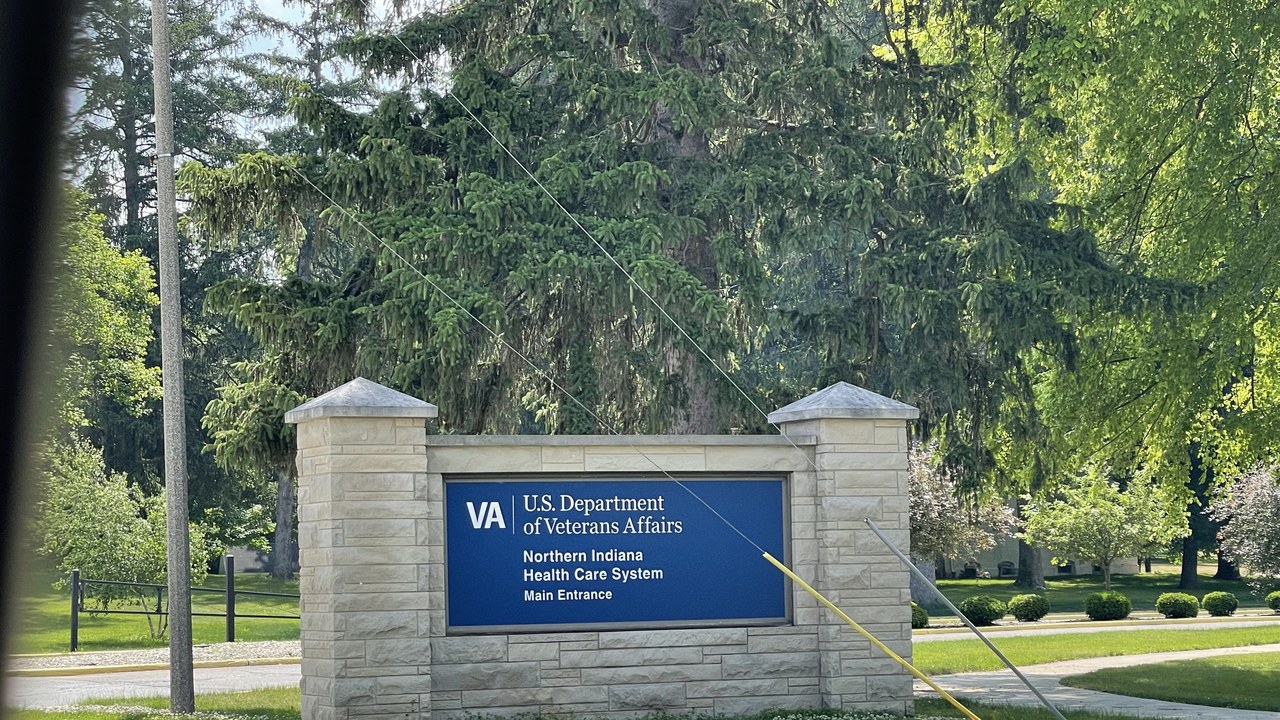
Filling out a VA disability claim has long meant working through a form thick enough to intimidate anyone doing it without help. The Department of Veterans Affairs now has a formal proposal on the table to cut that paperwork down dramatically, along with the separate form survivors use to apply for benefits after a veteran’s death. Neither change has taken effect yet, but the proposal is detailed enough, down to the page count and expected completion time, that veterans and survivors can see exactly what’s being considered.
The Two Forms VA Wants to Shrink
VA’s proposal targets two specific applications. Form 21-526EZ, the Application for Disability Compensation Benefits, would shrink from 15 pages to 5, with VA estimating the time to complete it would drop from about 25 minutes to about 15. Form 21-534EZ, the application survivors use for Dependency and Indemnity Compensation, survivor’s pension, and accrued benefits, would shrink from 20 pages to 7, cutting the estimated completion time from about 40 minutes to about 25. According to VA’s own announcement, the changes come from simplifying instructions and removing redundant elements rather than dropping any required information.
Long, dense benefits applications have been a persistent complaint among veterans and the accredited representatives who help them file claims. VA frames the shorter forms as a rewrite of instructions and structure, not a reduction in the underlying information the agency collects, which is why the proposed page counts drop so much further than the actual scope of what an applicant has to report.
Free retirement updates: Enrollment and claim windows come and go, and missing one can cost you real money. The free Retirement Shield newsletter keeps you ahead of the deadlines that matter. Sign up free.
This Is a Proposal, Not a Rule Change Yet
It’s worth being precise about where this stands. VA has not shortened either form. What exists right now are two proposed information-collection changes, published for public comment through the Federal Register: one covering the disability compensation application and one covering the DIC, survivor’s pension, and accrued benefits application. Federal agencies are required to open this kind of paperwork change to public comment before finalizing it, which means the specific page counts and time estimates could still shift based on feedback VA receives.
Why VA Says the Forms Need Simplifying
VA Secretary Doug Collins framed the proposal around reducing bureaucratic friction for people who have already earned the benefits in question. “No Veteran or surviving family member should face unnecessary bureaucratic hurdles when seeking the benefits they’ve earned,” Collins said in the announcement, adding that the goal is “reducing paperwork, saving time, and making the application process as straightforward as possible.” Long, dense applications are a well-documented barrier to benefits uptake generally, since applicants who find a form confusing sometimes give up rather than finish it, or submit it with errors that delay processing further. Because the disability compensation form and the survivors’ form serve different populations, a working-age veteran filing a first claim versus an older surviving spouse navigating the system for the first time, VA published them as two separate proposals rather than one combined package, and each is moving through the public comment process on its own timeline.
What Happens if the Proposal Moves Forward
VA’s own timeline points to simplified versions of both forms being available for use by December 2026, assuming the proposals clear the comment and review process on schedule. That is a projection, not a guaranteed date, and it applies only to the forms themselves changing shape, not to VA’s underlying eligibility rules for disability compensation or survivor benefits, which are unaffected by this proposal. A shorter form does not change who qualifies for benefits or how much they receive; it only changes how much paperwork stands between an eligible applicant and a completed claim. That distinction is worth underlining for anyone worried the proposal is really about tightening eligibility under a friendlier name: nothing in VA’s announcement touches the underlying disability rating system, income thresholds for survivor’s pension, or the medical evidence standards used to decide a claim. Those substantive rules would require a separate rulemaking process entirely, not the paperwork-focused information-collection notices VA has published here.
What Veterans and Survivors Can Do Right Now
Anyone currently working through Form 21-526EZ or Form 21-534EZ should use the version VA has posted today, since the shortened forms are not yet available and there is no indication VA is telling applicants to wait. Veterans service organizations and VA-accredited claims agents can still help walk through the current 15- and 20-page versions at no cost, and that support doesn’t depend on whether or when the proposed shorter forms arrive. Those who want a say in the proposal itself, including anyone who has struggled with the length or wording of either form, can submit comments directly through the Federal Register notices while the public comment period remains open. Public comment periods on federal information-collection changes like these typically run for a set window after publication, and the notices themselves list the deadline along with instructions for submitting feedback in writing, so anyone tracking whether the shorter forms are on schedule can check the Federal Register listings directly rather than waiting for a future VA announcement.
This article was produced with AI assistance and reviewed by a human editor. Figures are linked to their primary sources; where a claim could not be verified from the public record, we say so.
More Financial Reading