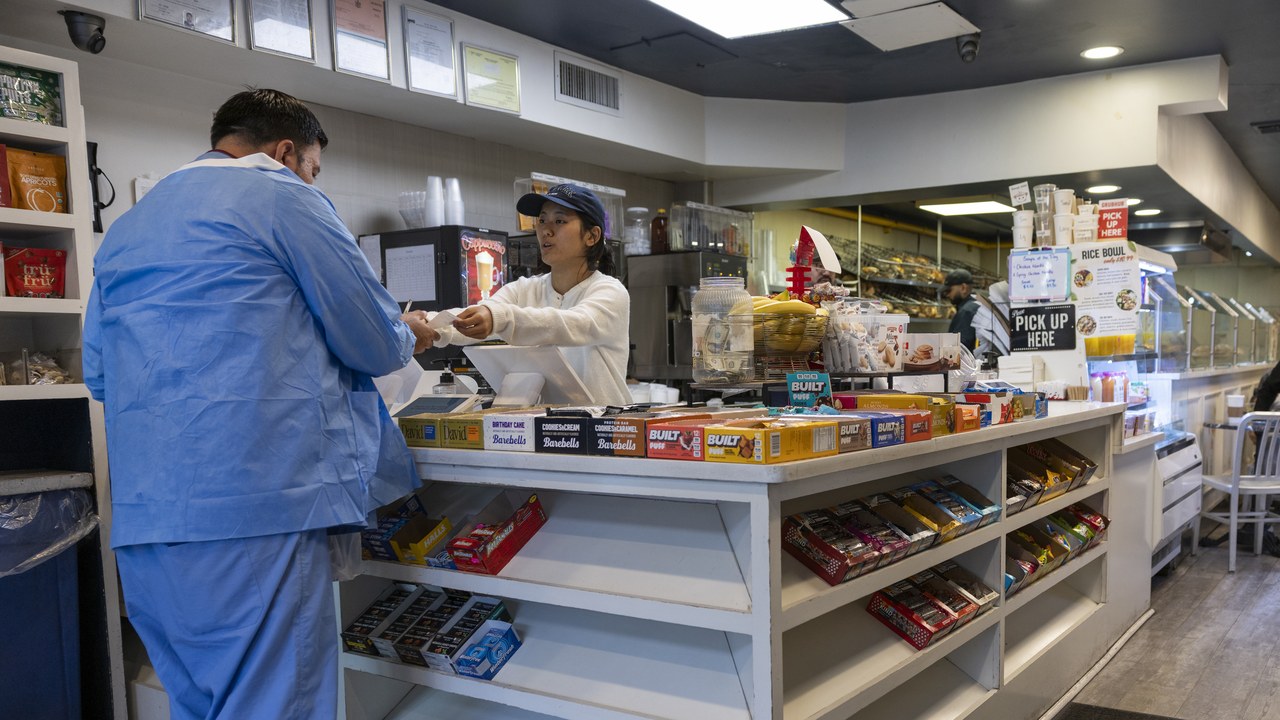
Grocery shoppers using SNAP benefits in South Carolina and North Dakota are about to see fewer items ring up as eligible purchases. Both states received federal waivers letting them remove certain products from the program’s approved food list, and the clock has nearly run out on the old rules. The changes take effect one day apart, negotiated separately, and each state’s list is slightly different from the other’s.
South Carolina’s Restriction Starts August 31
The U.S. Department of Agriculture’s Food and Nutrition Administration tracks South Carolina’s waiver with a target implementation date of August 31, 2026. Under the waiver, candy, energy drinks, soft drinks and other sweetened beverages come off the list of items a household can buy with SNAP benefits. The state runs the effort as the SC Healthy Food Choice Project, and it applies the same way any other eligible-item rule does: the store’s point-of-sale system flags the restricted items at checkout, not the shopper filling the cart.
Everything outside those named categories is unaffected. Bread, meat, produce, dairy, canned goods and the rest of a typical grocery order still ring up as eligible the same as before. Full details, including a state contact address for retailers with questions, are listed on the FNA’s South Carolina waiver page. USDA frames these waivers broadly as demonstration projects meant to test whether narrowing the eligible food list changes what SNAP households actually buy, and South Carolina is one of more than twenty states now running some version of the experiment.
Free retirement updates: Social Security and Medicare change every year, and nobody sends you a memo. Our free Retirement Shield newsletter breaks down what changed and what to do. Get it free in your inbox.
North Dakota Follows One Day Later
North Dakota’s waiver, also tracked on the agency’s site, carries a target implementation date of September 1, 2026, the day after South Carolina’s. The state’s restriction covers sweetened beverages, energy drinks and candy, run under the name the ND Healthy Choice Waiver through the state’s Health and Human Services agency. As in South Carolina, the mechanics sit with the retailer’s checkout system rather than requiring a shopper to sort items in advance.
The two states landed on nearly identical categories independently. Neither waiver’s published summary spells out a uniform national treatment of diet or sugar-free versions of the restricted drinks; the specific product list each state submitted to FNA determines what is actually covered, so a shopper who wants the fine print should check the state page rather than guess at the register. North Dakota’s agency has said it will notify retailers directly by email ahead of the switch, the same approach South Carolina and several other states used before their own start dates.
Five Other States Are Sitting This Out
Not every approved waiver is moving forward. On June 22, 2026, the U.S. District Court for the District of Columbia ordered in Aragon et al. v. Rollins et al. that the federal approvals covering Colorado, Iowa, Nebraska, Tennessee and West Virginia be vacated, meaning those states’ restrictions cannot proceed as approved. For a household in one of those five states, nothing changes at the register: SNAP purchases there continue to follow the standard federal food list, the same one used in states that never sought a waiver at all. The FNA’s waiver tracking page, last updated August 25, 2026, lists those five states with the court order attached instead of an implementation date, while South Carolina’s and North Dakota’s entries carry no such notice.
The legal fight matters for South Carolina and North Dakota because it shows their own waivers were reviewed and left standing rather than swept up in the same order. A future ruling could still change that, but as of this week both states’ approvals remain intact and moving toward their target dates.
More States Have Later Dates on the Calendar
South Carolina and North Dakota are not the last states in line, and they are not the first, either. The FNA’s table lists Idaho and Oklahoma with February 2026 target dates, Utah and Indiana with January 2026 target dates, and Florida and Texas with dates in the spring of 2026 — all earlier than South Carolina’s and North Dakota’s. The same table shows Montana’s restriction targeted for September 30, 2026, and Ohio’s and Virginia’s for October 1, 2026, each covering its own mix of sugar-sweetened drinks, candy or prepared desserts. States including Kansas, Missouri and Hawaii have waivers approved with target dates stretching into 2027, which means the list of states restricting SNAP purchases will keep growing well past this week.
What to Expect at the Register
For a household in South Carolina or North Dakota, the practical change shows up only when a restricted item is in the cart. A can of soda or a candy bar that used to ring up on the EBT card will need to be paid for another way once each state’s date arrives, whether that means leaving it at the register or paying for it separately with cash or another card. Retailers received official notice ahead of the change so their systems can flag the newly excluded items automatically rather than leaving it to a cashier’s judgment. The FNA’s waiver page remains the authoritative source for the exact product list in each state, and it is updated as more states finalize their own target dates.
This article was produced with AI assistance and reviewed by a human editor. Figures are linked to their primary sources; where a claim could not be verified from the public record, we say so.
More Financial Reading