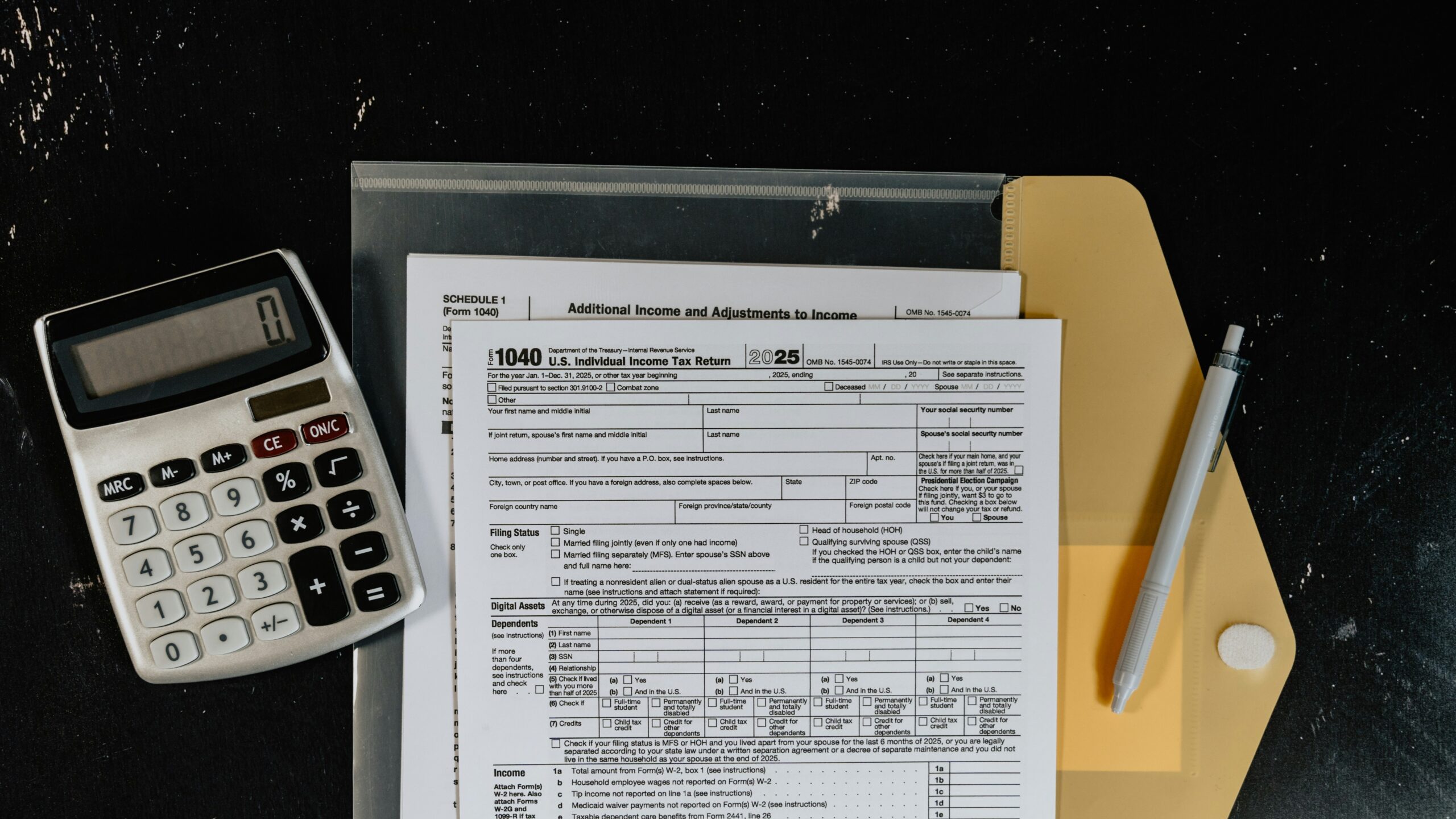
Millions of taxpayers spent this year’s filing season trying to figure out exactly what the Working Families Tax Cuts law was worth to their own return, and the Internal Revenue Service says some of the online calculators built to answer that question are not run by anyone the agency trusts. The fake versions promise a bigger number than a legitimate estimate ever would. The real damage isn’t a wrong number — it’s what a taxpayer types in to get one.
A guaranteed refund is the tell
The IRS describes the pattern the same way it does most years when new tax provisions arrive: a slick-looking site promises to size up a taxpayer’s refund under the new law, then asks for the kind of information no legitimate calculator needs to do the math. A real estimate depends entirely on the numbers a person enters and is only as reliable as that data. Nothing about the arithmetic changes if a Social Security number, date of birth or bank account number is typed into the same form — so a calculator that wants any of that before it will run a number isn’t using it to calculate anything.
In a fact sheet posted in March 2026, the IRS laid out the specific tells: trust only web addresses ending in .gov, since imitators register lookalike domains such as “irsgov.com” or “irs-gov.org”; treat any calculator or website that guarantees a big payday or an unusually large, unexpected refund as a warning sign rather than good news; and run the numbers only through the official IRS site or an established, name-brand tax software company. If something goes wrong anyway, the agency’s instructions are to not click any links in a suspicious message, forward scam sites and emails to [email protected], and file a complaint with the Treasury Inspector General for Tax Administration or the Federal Trade Commission.
Free retirement updates: Keep more of your Social Security and savings with plain-English updates on the changes, deadlines, and costly mistakes retirees miss. Subscribe free.
Ghost preparers and other scams riding the same confusion
The fake calculators are one piece of a wider pattern the IRS flagged around the same law. The Working Families Tax Cuts created or expanded several individual deductions this year, including new ones tied to tips, overtime pay and taxpayers age 65 and older, and a companion IRS fact sheet on scams tied to the law lists how fraud has moved in around the unfamiliar rules. Unlicensed “ghost” preparers exaggerate eligibility for the new deductions or invent amounts outright, then disappear once the return is filed, leaving the taxpayer to answer for any resulting penalties or interest. Others charge an upfront fee to “enroll” an older taxpayer in the new senior deduction, even though the IRS says no enrollment, registration or payment of any kind is required to claim it on a return. A third pattern arrives as an unsolicited call, text or social media post claiming a taxpayer is “pre-approved” for a refund tied to the new law or that “everyone qualifies” for it — claims the IRS says no legitimate tax professional would make, since a preparer cannot guarantee a refund amount. A fourth version charges a “processing” or “release” fee to speed up a refund tied to the new deductions; the IRS’s flat answer is that no individual or business can make a refund arrive faster for a fee, no matter what the new law changed.
The tools the IRS says to use instead
Rather than a third-party calculator, the agency points taxpayers to its own free tools. The Tax Withholding Estimator walks through a roughly 25-minute questionnaire using a recent pay stub to check whether the right amount is being withheld from a paycheck or pension, and it does not ask for a name, Social Security number or bank account number to produce a result. Taxpayers with an adjusted gross income of $89,000 or less can prepare and file a federal return at no cost through IRS Free File, using guided software from an IRS partner company rather than an unverified website, and anyone can use the program’s fillable forms regardless of income. For in-person help, Volunteer Income Tax Assistance sites staff tens of thousands of IRS-certified volunteers who prepare millions of returns for free each filing season, generally for people who make $69,000 or less, people with disabilities and limited-English speakers; the related Tax Counseling for the Elderly program focuses on people 60 and older with pension and retirement questions. The IRS is explicit that it does not endorse any individual Free File partner company a taxpayer chooses, and outside that program it does not vouch for any commercial calculator or preparer at all — it only points back to IRS.gov, an established software company, or a professional willing to sign the return.
The scale behind the warning
The reason the IRS keeps circling back to this warning shows up in its own watchdog’s numbers. In a report issued May 13, 2026, the Treasury Inspector General for Tax Administration found that the IRS’s identity theft filters flagged about 7.5 million tax returns for review across calendar years 2024 and 2025, together claiming $82.1 billion in refunds. Of those, the IRS confirmed 329,000 returns as identity theft and stopped $7 billion in fraudulent refunds from going out the door. The same report credits a separate partnership with state tax agencies and financial companies, called the Information Security Analysis Center, with contributing nearly $277.7 million in protected revenue since it started in 2017 by sharing fraud alerts in real time. That is the volume of stolen identities feeding fraudulent returns every year, and it is exactly the kind of information — a Social Security number, a date of birth, a bank routing number — that a legitimate tax calculator never needed in the first place.
This article was produced with AI assistance and reviewed by a human editor. Figures are linked to their primary sources; where a claim could not be verified from the public record, we say so.
More Financial Reading