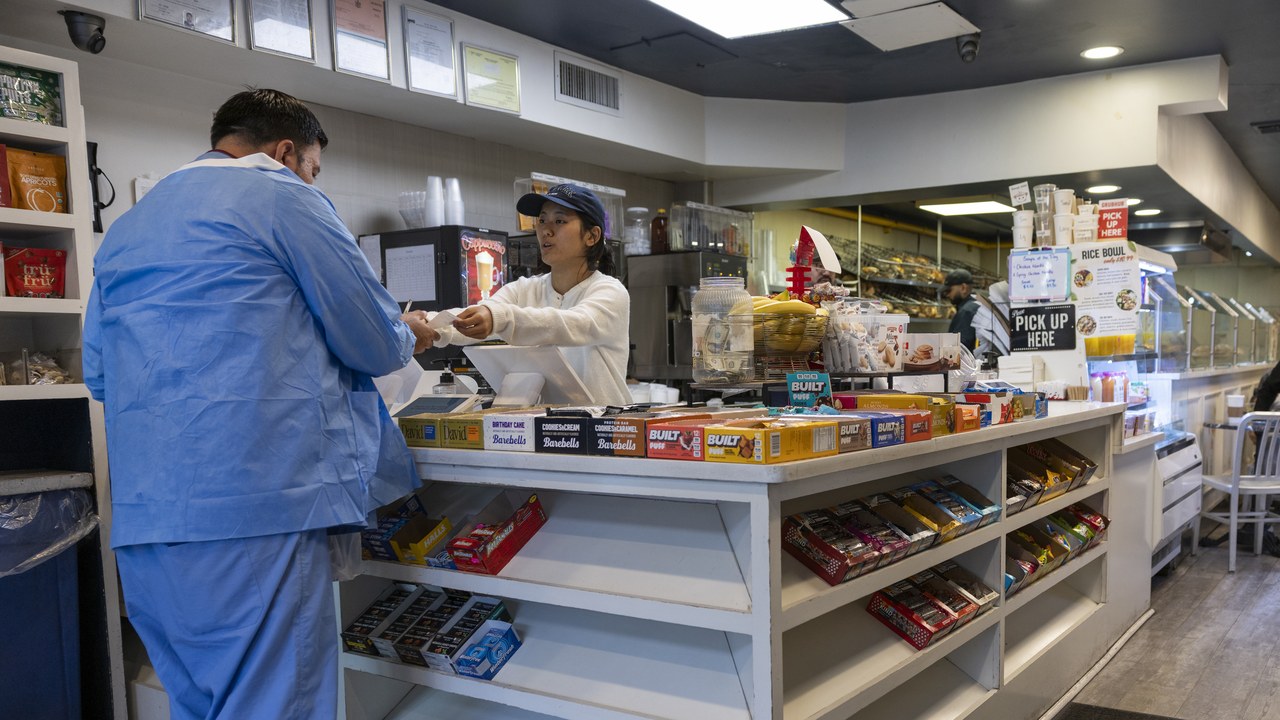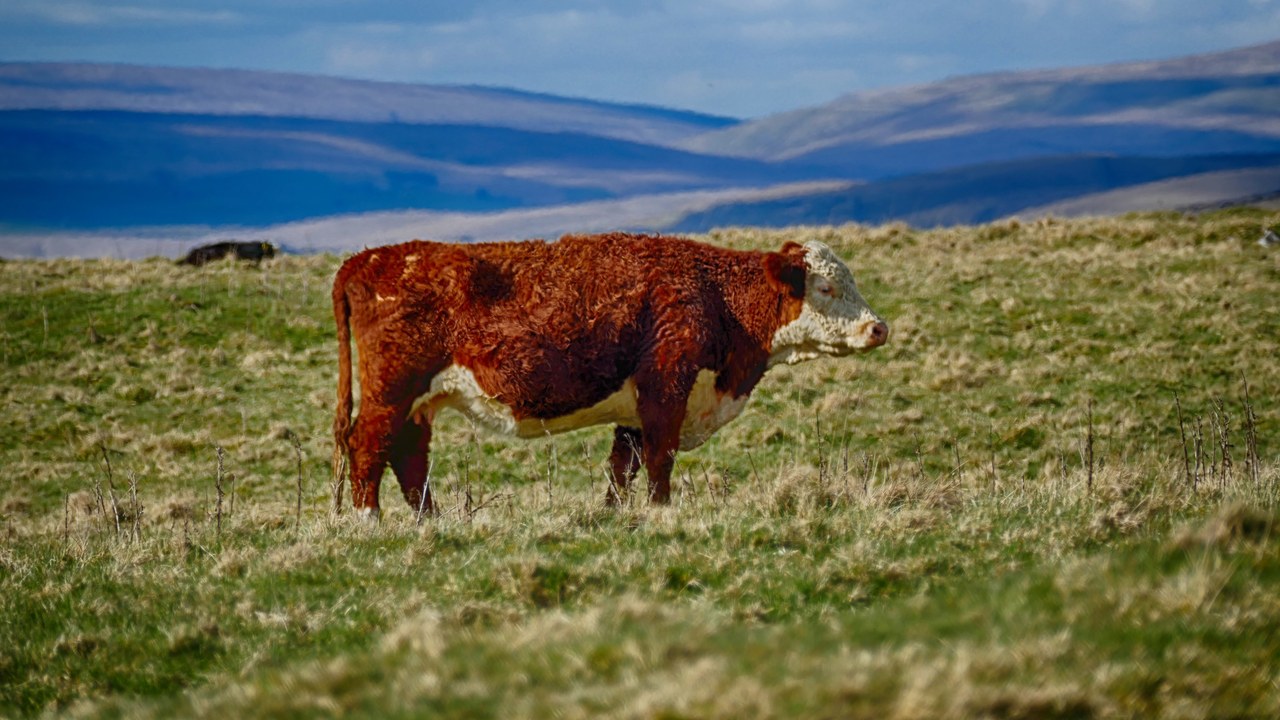
Beef and veal cost 9.4 percent more in July 2026, the most recent month with published federal price data, than they did a year earlier, according to the U.S. Department of Agriculture. The department’s Economic Research Service now forecasts beef and veal prices will finish all of 2026 up 9.8 percent, a projection tied directly to a national cattle herd that keeps getting smaller rather than rebuilding. For a household buying ground beef or steak on a regular basis, the gap between beef inflation and everything else in the grocery cart has grown wide enough to show up in a weekly bill.
The federal number behind the grocery bill
Two different kinds of numbers are circulating around this story, and they mean different things. One is a measurement of what already happened: retail beef and veal prices in July 2026 came in 9.4 percent above where they stood in July 2025, calculated from Consumer Price Index data the Bureau of Labor Statistics had just finished collecting. The other is a forecast of what USDA expects for the rest of the year: a 9.8 percent increase for all of 2026, with a stated range running from 7.0 percent on the low end to 12.6 percent on the high end depending on how supply and demand shift over the final months.
The Economic Research Service’s Food Price Outlook, updated August 25, 2026, puts both of those numbers in context against the rest of the grocery cart. Food-at-home prices overall are forecast to rise just 2.5 percent in 2026, and all food combined, including restaurants, is forecast at 3.0 percent. Beef and veal is one of only seven of the fifteen food-at-home categories ERS tracks that is running faster than its own 20-year historical average pace, and it is running roughly three times faster than groceries as a whole. Eggs, by contrast, are forecast to fall more than 30 percent this year as avian flu pressure eases — a reminder that “food prices” as a single number can hide very different stories aisle by aisle.
Free retirement updates: Miss an enrollment or claim deadline and it may be gone. Our free Retirement Shield newsletter keeps readers ahead of the ones that matter. Get the free newsletter.
A shrinking herd, not a store-shelf problem
The reason ERS keeps using the word “tight” is sitting in USDA’s own livestock count. The National Agricultural Statistics Service’s July 24, 2026 Cattle report found 28.5 million beef cows in the United States as of July 1, 2026, down 1 percent from a year earlier, and estimated the 2026 calf crop — the number of calves born this year that will eventually become the beef supply — at 32.5 million head, down 2 percent from 2025. Total cattle and calves on U.S. farms actually ticked up slightly, to 94.2 million, but that figure includes 13.2 million animals currently on feed and being fattened for slaughter, up 2 percent from last year; it is not a sign the breeding herd is growing.
That distinction matters because rebuilding a cattle herd is slow by nature: a rancher who decides today to keep more heifers as future breeding stock, instead of sending them to slaughter, will not see additional calves for roughly two years, and it takes another year or more after that for those calves to reach market weight. ERS’s own outlook notes that federally inspected beef production fell almost 5 percent in July 2026 alone, which “supported wholesale beef prices at or above record levels for that time of year,” and adds that tight cattle supplies are expected to push beef production lower again, year over year, in the second half of 2026. Nothing in the current data points to a herd expansion that would ease the squeeze before the end of the year.
Ground beef, not steak, moved the most at the register
The place this shows up most clearly is in BLS’s own average retail price data, which tracks what shoppers actually paid for specific cuts in 75 urban areas nationwide. Ground beef averaged $6.885 a pound in July 2026, up from $6.254 a pound in July 2025 — a 10.1 percent increase, slightly ahead of the broader beef-and-veal category’s 9.4 percent rise. USDA Choice boneless sirloin steak, meanwhile, averaged $14.592 a pound in July 2026 versus $13.554 a pound a year earlier, a 7.7 percent increase — real money, but a noticeably smaller jump than ground beef’s.
That ordering can surprise people who assume the priciest cut takes the biggest hit first. It lines up, though, with what ERS reports at the farm and wholesale level: cattle prices paid to ranchers are forecast to rise 9.9 percent in 2026, with an interval as wide as 5.3 to 15.3 percent, and wholesale beef prices are forecast up 9.4 percent, with an interval running to 17.9 percent. Ground beef draws heavily on lower-value cuts and trimmings that make up a larger share of an animal’s total value when cattle themselves are scarce and expensive, which helps explain why the everyday staple, not the special-occasion steak, has moved the most this year.
What the ground beef-to-sirloin gap costs over a year
Applied to an ordinary shopping pattern, those per-pound changes add up. A household buying about two pounds of ground beef a week is now paying roughly $1.26 more per week than it was a year ago for the identical amount of meat, which works out to about $66 in additional spending over 12 months if that pace holds. A household also buying one pound of sirloin steak a week is paying about $1.04 more per week, or roughly $54 more over a year. Combined, a household buying both every week — three pounds of beef total — is out close to $120 a year compared with July 2025 prices, before counting anything else that has moved in the grocery aisle.
Because that increase is rooted in a national breeding-herd shortfall rather than a temporary weather event or a single company’s pricing decision, USDA’s own forecast interval, which stretches as high as 12.6 percent for beef and veal in 2026, signals real uncertainty about how much further this runs before the year is out. The clearest sign of where prices go next will not come from a store circular; it will come from USDA’s next cattle inventory count and the next monthly update to the Food Price Outlook, both of which track the same beef cow and calf crop numbers driving this year’s increase.
This article was produced with AI assistance and reviewed by a human editor. Figures are linked to their primary sources; where a claim could not be verified from the public record, we say so.
More Financial Reading