Ford owners have gotten more recall mail than drivers of any other brand this year, and the numbers behind it are striking. The automaker has recalled about 11.2 million vehicles in 2026, more than Honda, Hyundai, Toyota and Nissan combined, and more than half of every vehicle recall issued in the United States so far this year. For a household, a recall notice is not a bill or bad news about the car’s value; a federally required safety fix is always free, and skipping it is the only real mistake.
The 4.4 million-truck trailer-brake fix
Ford’s single largest recall of 2026 covers about 4.4 million trucks and SUVs, including the best-selling F-Series, over a software fault in the Integrated Trailer Brake Module. When the glitch strikes, the brakes and turn indicators on a trailer that is hooked up can stop working, a serious hazard for anyone towing a boat, camper, or work load. According to a recall roundup by Motor1, the remedy is a free over-the-air software update pushed to the vehicle, with some vehicles instead serviced at a dealer at no charge. Because the fix is software, many owners will not even need to visit a service bay.
Free retirement updates: Enrollment and claim windows come and go, and missing one can cost you real money. The free Retirement Shield newsletter keeps you ahead of the deadlines that matter. Sign up free.
Which Ford and Lincoln models are affected
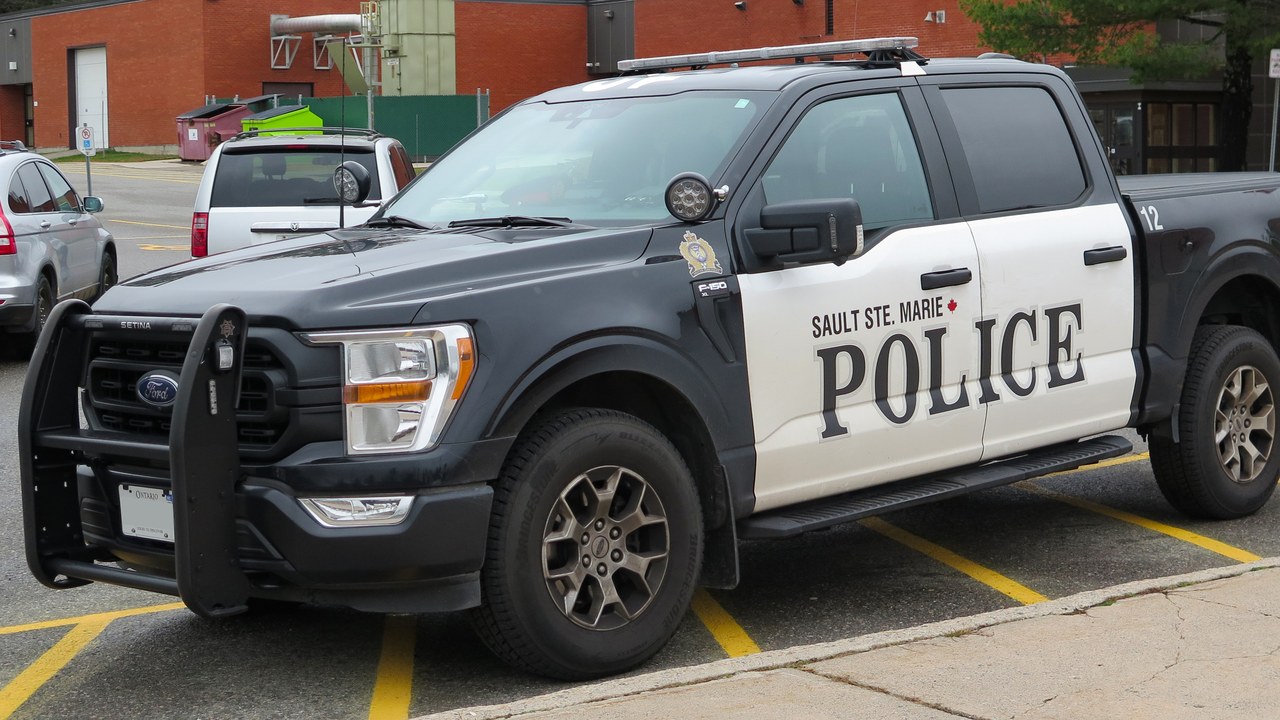
The trailer-brake recall reaches across much of Ford’s most popular lineup. Affected models include the 2021 through 2026 F-150, the 2022 through 2026 F-250 Super Duty, the 2024 through 2026 Ranger, the 2022 through 2026 Maverick, the 2022 through 2026 Expedition, the 2022 through 2026 Lincoln Navigator, and the 2026 E-Transit electric van. That spread means a large number of ordinary trucks in driveways and job sites are included, not just a narrow build range. Owners who tow anything should treat the notice as a priority rather than a piece of junk mail.
Why “free” is the word that matters most
The single most important fact for a household budget is that safety recalls are always free to the owner. Federal law requires the manufacturer to fix a safety defect at no cost, so there is never a parts or labor charge for the repair itself. That holds whether the remedy is a software update, a replaced component, or a full part swap. Anyone who receives a call, text, or email demanding payment to “process” a recall should treat it as a scam, because the legitimate process never asks for money. The only cost to the owner is the time it takes to get the fix done.
How to check a VIN and get the repair
Verifying whether a specific vehicle is included takes only a minute. The National Highway Traffic Safety Administration lets owners look up open recalls by vehicle identification number at its recalls tool, and the VIN is printed on the lower corner of the windshield and on the vehicle registration. If a recall is open, the tool shows it, and the owner can then schedule the free repair through a Ford or Lincoln dealer, or simply allow the over-the-air update to install for the vehicles that qualify for it. Keeping current contact and address information on file with the dealer or automaker also helps ensure recall notices actually arrive.
A five-year high for recalls across the industry
Ford’s total is part of a broader surge. Reporting from The Detroit News noted that the number of cars and trucks recalled has hit a five-year high, with Ford accounting for an outsized share. A high recall count is not the same thing as a car being poorly built; it often reflects an automaker catching and disclosing problems, sometimes through software monitoring, and moving to fix them before they cause harm. For the owner, the practical meaning is unchanged: check the VIN, book the free fix, and do not let a notice sit.
What to do with the letter in the mailbox
The worst outcome is a recall notice that gets ignored. A trailer that loses its brakes or signal lights while towing is a genuine safety risk, and the repair costs nothing but a bit of time. Households with an affected F-150, Super Duty, Ranger, Maverick, Expedition, Navigator, or E-Transit should run the VIN through the NHTSA tool now rather than waiting, confirm whether the over-the-air update has already installed, and schedule a dealer visit if it has not. It is one of the rare pieces of mail that is genuinely worth acting on the day it arrives.
This article was produced with AI assistance and reviewed by a human editor. Figures are linked to their primary sources; where a claim could not be verified from the public record, we say so.
More Financial Reading