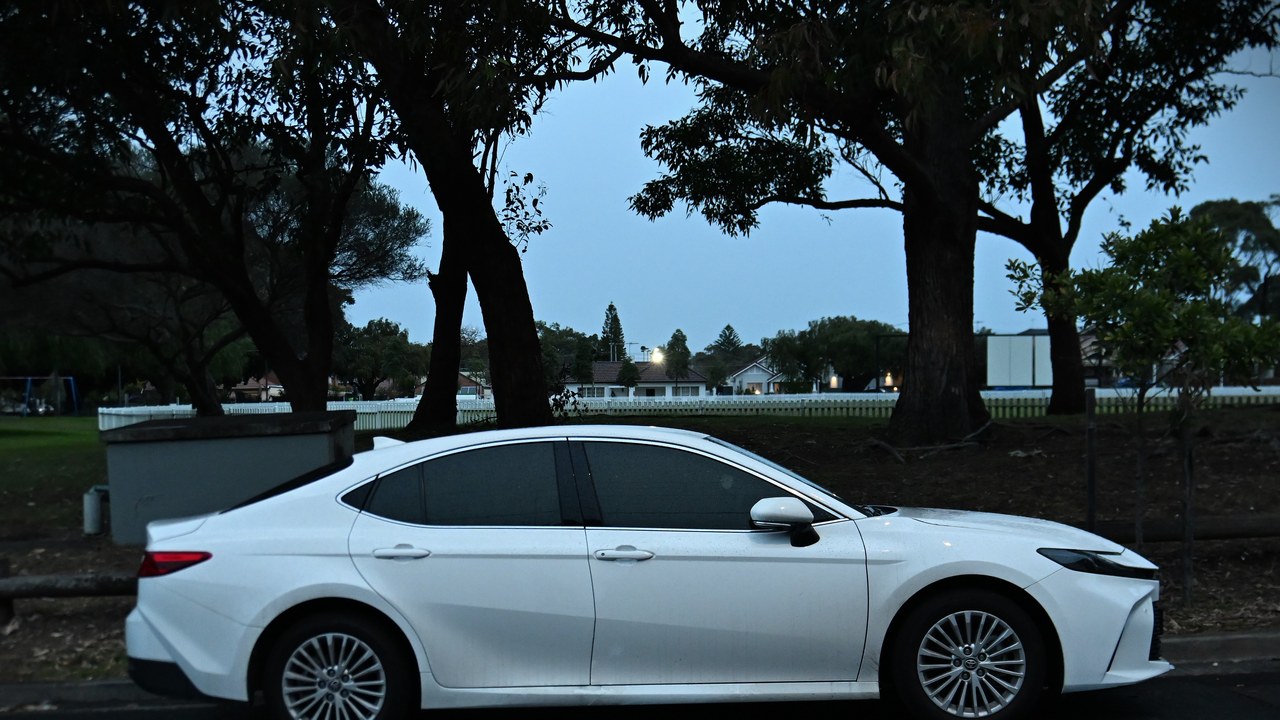
Toyota has issued one of its largest U.S. recalls of the year, covering more than half a million of its newest hybrid Camry sedans over a defect that can leave the dashboard blank when the car starts. For the households who own these cars — many of them retirees and long-haul commuters who picked the Camry for its dependable reputation — this is more than an annoyance, because a dead display can quietly switch off the turn signals, hazard lights, and seat-belt warning. The reassuring part is that the fix costs owners nothing, and it is a software update rather than an expensive part replacement.
What the recall covers: 508,354 Camry Hybrids
The action is filed with federal safety regulators as recall campaign 26V511000 and covers 508,354 vehicles, all of them model-year 2025 and 2026 Camry sedans. Because Toyota now builds the Camry as a hybrid-only model for North America at its plant in Georgetown, Kentucky, the recall effectively reaches the entire current generation of the car. The suspect vehicles were assembled between August 15, 2024, and June 9, 2026, which means both first-year buyers and people who bought a brand-new 2026 this spring are likely included.
According to the National Highway Traffic Safety Administration, the recall report was received on August 6, 2026, so this is a live safety campaign, not an old notice being recycled.
Free retirement updates: A quiet rule change can shrink your Social Security or Medicare check, and no one warns you. The free Retirement Shield newsletter catches these early and tells you what to do. Get it free.
Why a blank dashboard is a real safety problem
On the surface, an instrument cluster that fails to light up sounds like a minor electronics glitch. The concern regulators flagged is everything that fails along with it. When the display does not initialize during startup, it can deactivate the hazard lights, the turn signals, the seat-belt reminder, and the smart-key warning all at once. A driver who cannot signal a lane change, or who cannot switch on the hazards during a roadside breakdown, is harder for other drivers to anticipate — and that is precisely why the defect is treated as raising the risk of a crash rather than as a cosmetic bug. Owners who have noticed a momentarily dark, frozen, or slow-to-appear gauge screen at startup are seeing exactly the behavior the recall is meant to correct. The seat-belt reminder matters too, because it is one of the small nudges that keeps occupants buckled on short trips where people are most tempted to skip it.
The free fix, and when Toyota will contact owners
The remedy is a software correction, not a hardware swap, so dealers will reprogram the instrument-cluster display at no charge to the owner. Toyota’s own recall notice says the company plans to mail owner notification letters on or around September 21, 2026, with instructions to bring the vehicle in for the update. Owners do not have to wait for a letter to act. Anyone can enter their 17-character vehicle identification number at the federal recall lookup to confirm whether a specific car is included and whether the remedy is available yet at their dealer. Toyota describes the correction in its newsroom recall announcement, and it is clear that there is no repair charge for affected owners. Because the update is quick and software-based, most owners should expect an ordinary service-lane appointment rather than a car left overnight.
What to do now, and a pattern worth watching
This is not the first display-related complaint to follow the redesigned, hybrid-only Camry since it launched, and it is a useful reminder that a “boring and reliable” badge does not exempt a modern car from software trouble as vehicles grow more computerized. For a household, the practical steps are cheap and quick. If you own a 2025 or 2026 Camry, look up your VIN now at Toyota’s recall lookup to confirm whether the car is on the list, watch the mail for the notification letter, and schedule the free update once your dealer says the software is ready. Keep any related paperwork with your vehicle records in case the repair needs to be verified when you sell or trade the car. None of this should cost you a dollar — the value is simply making sure the safety features you rely on every time you merge into traffic are working the way they should. If your display ever goes dark mid-drive before the fix, treat it as a signal to get the update scheduled promptly rather than something to ignore.
This article was produced with AI assistance and reviewed by a human editor. Figures are linked to their primary sources; where a claim could not be verified from the public record, we say so.
More Financial Reading