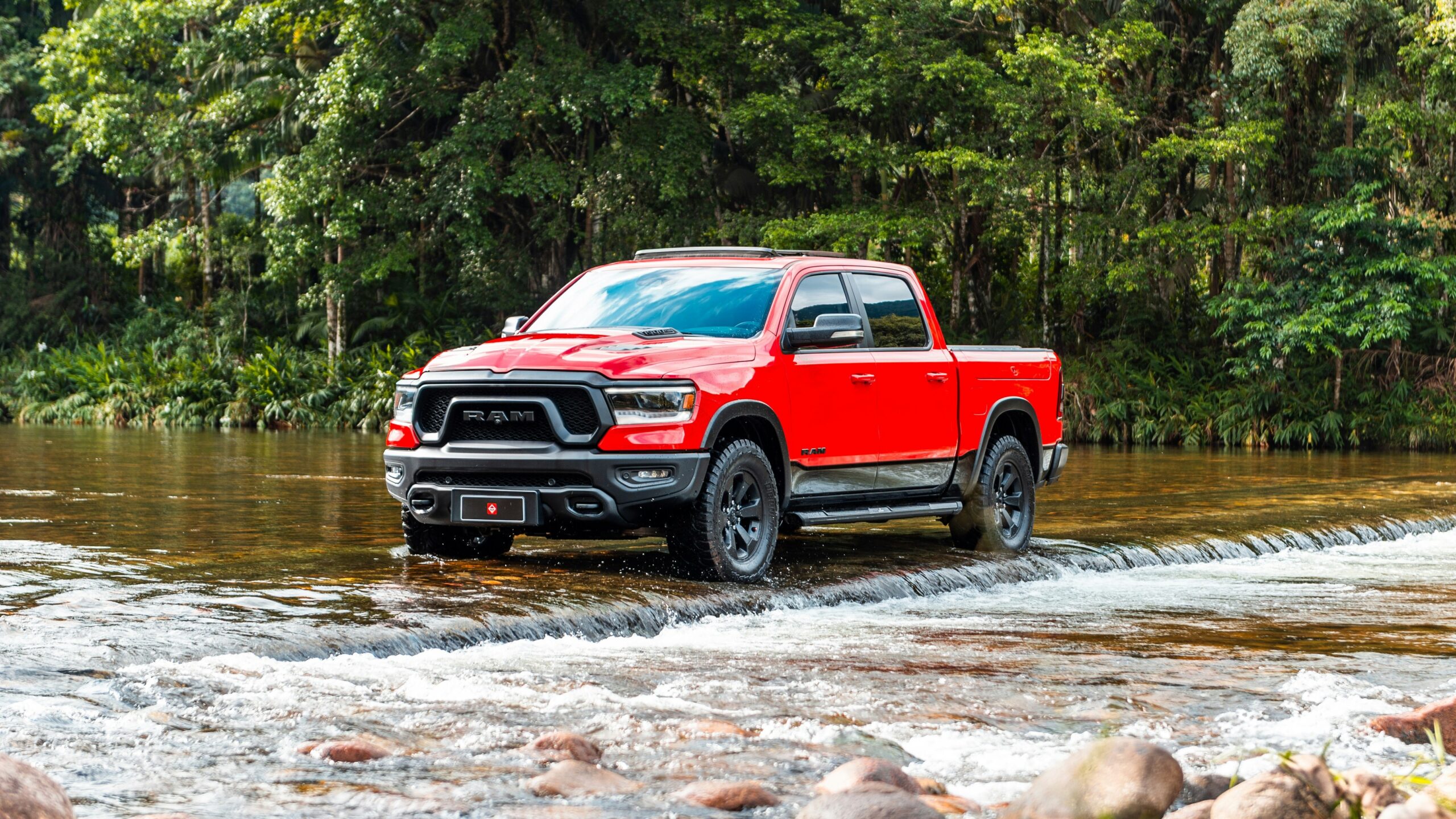
Chrysler is recalling about 1.27 million Ram 1500 pickups over seat-belt anchors that may have been improperly installed, and the inspection and any needed repair are free to every owner. The defect involves the second-row seat-belt buckle anchors, which could reduce the belt’s ability to protect passengers in a crash. Federal recall law means the fix costs nothing whether you bought the truck new or used, so the only action required is getting the vehicle checked once your dealer is ready.
What the recall covers
The recall affects roughly 1.27 million Ram 1500 trucks — 1,271,294 vehicles, spanning model years 2019 through 2026 and built over a multi-year production window. According to the National Highway Traffic Safety Administration, the issue is that the second-row seat-belt buckle anchors may have been improperly secured to the vehicle’s body structure, which could leave the trucks out of compliance with federal safety standards and reduce how well the belt manages force in a crash. Owners can look up the recall through the NHTSA recalls site using their vehicle identification number.
The manufacturer estimates only a small fraction of the recalled trucks actually have the defect, but because it cannot identify exactly which ones, every vehicle in the population is called in for inspection. Owner notification letters were set to begin mailing in mid-August 2026, and the recall carries NHTSA number 26V495. Dealers will inspect the second-row seat-belt buckle anchors and properly attach them if needed.
Free retirement updates: Social Security and Medicare change every year, and nobody sends you a memo. Our free Retirement Shield newsletter breaks down what changed and what to do. Get it free in your inbox.
Why a free recall repair is worth acting on
Under federal law, a safety recall repair is free to the owner, and that right transfers with the vehicle — a secondhand buyer is entitled to the same free fix as the original owner. There is no deductible, no labor charge, and no expiration for most safety recalls, so even an owner who ignores the notice for a while can still get it done later at no cost. The value here is not a rebate check but the avoided expense and, more importantly, the safety of a working seat belt.
Seat belts are the single most effective vehicle safety feature, and a compromised anchor undermines the belt’s job of restraining a passenger in a collision. For a family that regularly carries kids or other passengers in the back seat, the second-row belt is exactly the one you want functioning correctly, which makes this a recall worth prioritizing rather than filing away.
How to get the repair
Start by confirming your truck is affected. Enter your VIN at NHTSA’s recall lookup or on the manufacturer’s recall site to see whether your specific vehicle is included and whether the remedy is available yet. When notified that parts and procedures are ready, schedule the free inspection and repair at any authorized dealer — you do not have to return to the dealer that sold you the truck. Keep the notification letter and any repair paperwork for your records.
If a dealer tries to charge you for a recall repair, that is not allowed; recall work is performed at no cost, and you can report a problem to NHTSA. In the meantime, if you are concerned about the second-row belts before the repair, have passengers use other seating positions where practical until the inspection is done, though the manufacturer has not advised owners to stop driving the trucks.
A habit that pays off
This recall is a good prompt to check every vehicle in your driveway. You can enter any car’s VIN at NHTSA’s site to see open recalls, and unrepaired safety recalls are common — many vehicles on the road have one the owner never addressed. Because the repairs are free and often fix genuine safety hazards, running a quick VIN check on each of your vehicles once or twice a year is a no-cost habit that can catch a dangerous defect like a faulty seat-belt anchor before it matters. For the 1.27 million Ram 1500 owners in this recall, the fix is free and the only cost is the time to schedule it.
What a used-truck buyer should know
The recall is a useful reminder that safety recalls follow the vehicle, not the original buyer. If you purchased a used Ram 1500 from this range, you are entitled to the same free inspection and repair as the person who bought it new, even if you never received a notice — notices go to registered owners on file, and a recent buyer or someone who moved may not be in the system. That is why running your own VIN check matters more than waiting for a letter: enter the number at NHTSA’s recall lookup to see whether your specific truck is included and whether the remedy is ready.
Dealers, whether or not they sold you the vehicle, must perform the recall work at no charge; a fee for a recall repair is not allowed and can be reported to NHTSA. It is also worth registering your vehicle with the manufacturer or keeping your address current with your state so future recall notices reach you. Because unrepaired safety recalls are surprisingly common — many vehicles on the road carry one the owner never addressed — making a VIN check a once- or twice-a-year habit across every car in the household is a free way to catch genuine hazards like a faulty seat-belt anchor before they matter in a crash.
This article was produced with AI assistance and reviewed by a human editor. Figures are linked to their primary sources; where a claim could not be verified from the public record, we say so.
More Financial Reading