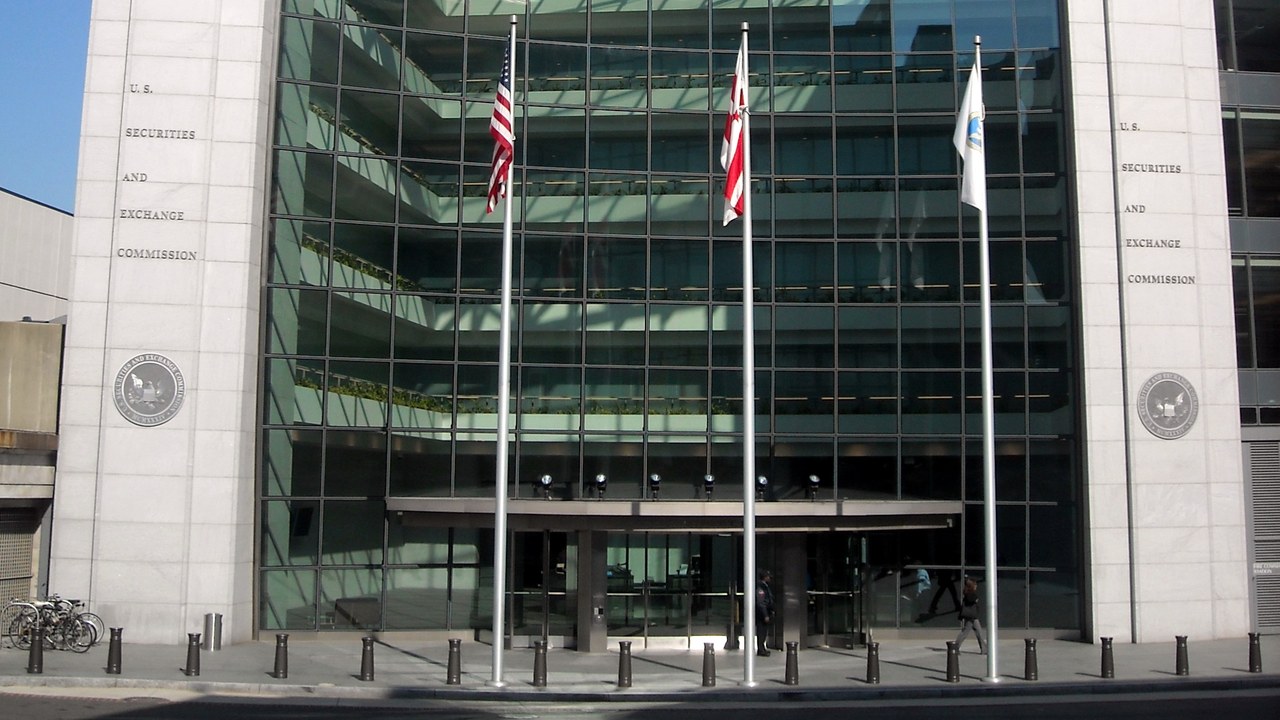
More than 800 mostly retail investors across the United States, many of them retirees, put over $74 million into eleven private funds that offered a stake in companies before those companies went public, according to a complaint the Securities and Exchange Commission filed on August 14, 2026. The agency says those investors were reached by cold calls from over 100 sales agents using high-pressure sales tactics. Nothing has been proved: the SEC has charged the operator and three entities he owned, and no court has ruled on any of it.
What the SEC says the 46 percent gap actually was
The mechanism the agency describes is a markup hidden inside a purchase price. According to the complaint, Andrew Spaventa, a New York resident, used entities he owned to buy pre-IPO shares, either directly or through another investment fund, and then sold those same shares in principal transactions to his own funds at marked-up prices. Investors bought membership interests in the funds, and the markup traveled with them. The SEC alleges the prices investors paid were on average roughly 46 percent higher than the prices Spaventa had paid for the investments.
That gap is not a fee line an investor could have found on a statement. The agency says it was passed along as hidden fees charged on the sale of membership interests, which is why the sums involved do not resemble anything an investor would knowingly agree to. The activity ran from approximately December 2020 through June 2025, the SEC says, across eleven separate private funds.
Free retirement updates: Social Security and Medicare change every year, and nobody sends you a memo. Our free Retirement Shield newsletter breaks down what changed and what to do. Get it free in your inbox.
The fee investors were allegedly told about, against the one the SEC says they paid
The disclosed number, on the agency’s account, was either zero or 12.5 percent. The SEC alleges that the defendants falsely told investors they would pay no upfront fees at all, or upfront fees of at most 12.5 percent. Set against an alleged average markup of about 46 percent, the difference between what was said and what the complaint says was charged is not a rounding matter. It is roughly three to four times the largest fee the agency says was ever disclosed.
Sheldon L. Pollock, Associate Director of the SEC’s New York Regional Office, called unsolicited calls and high-pressure sales tactics “the calling cards of so-called boiler room operators” in the announcement of the charges, adding that such operators get an investor on the phone and then hit them with the hidden fees. The agency urged investors to stay vigilant about those tactics.
Where the SEC says roughly $23 million in upfront fees went
The complaint puts a total on the alleged take. As a result of the fraud, the SEC says, the defendants collected approximately $23 million in upfront fees from investors. Of that, more than $12 million was allegedly funneled to sales agents as commissions, and approximately $4 million went to Spaventa personally. The three entities named alongside him are The Spaventa Group LLC, TSG Capital Advisors LLC and TSG Alpha Partners LLC, all of which the agency says he owned and controlled.
No figure exists for what any single investor lost, and dividing the money raised by the number of investors would produce a number nobody has published. It is also worth stating plainly what has not happened: no money has been returned to anyone, and none can be until the litigation runs its course.
The charges in the Southern District of New York, and what the complaint asks for
The SEC filed in the U.S. District Court for the Southern District of New York. The complaint charges the defendants with violating the antifraud, securities registration, and broker-dealer registration provisions of the Securities Act of 1933, the Securities Exchange Act of 1934, and the Investment Advisers Act of 1940. It also charges Spaventa with control person liability and with aiding and abetting violations.
What the agency is asking for sets the ceiling on any eventual recovery. The complaint seeks permanent injunctions, disgorgement of ill-gotten gains plus prejudgment interest, and civil penalties from all defendants, along with conduct-based injunctions against Spaventa. Those are requests made to a court, not outcomes, and the defendants have not been found liable for anything.
The question the SEC’s own pre-IPO alert says to ask first
The agency’s investor education staff published a standing warning about exactly this product. Its Investor Alert on pre-IPO investment scams notes that pre-IPO offerings are not registered with the SEC, that unregistered offerings are prohibited unless an exemption applies, and that many exemptions do not permit broad solicitation of the general public, meaning many pre-IPO offerings pitched to ordinary investors may be illegal. It names boiler rooms and cold-calling unregistered sales agents as a hallmark, and warns that agents sometimes press investors to cash out liquid holdings in a 401(k) to fund the purchase.
The alert also anticipates the precise gap alleged here: promoters of fraudulent pre-IPO offerings, it says, may claim there are no upfront fees while actually charging exorbitant, undisclosed markups. The check that follows from that warning is a question about price rather than about returns: what the fund itself paid for the shares, set against what the buyer is being asked to pay. The alert’s own first instruction is narrower and just as concrete, which is to confirm that the person selling is registered at all, using the SEC’s free investment professional background check. That tool routes a name to the Investment Adviser Public Disclosure database or to FINRA’s BrokerCheck, and the agency’s flat statement about why it matters is that unlicensed, unregistered persons commit much of the investment fraud in the United States.
This article was produced with AI assistance and reviewed by a human editor. Figures are linked to their primary sources; where a claim could not be verified from the public record, we say so.
More Financial Reading