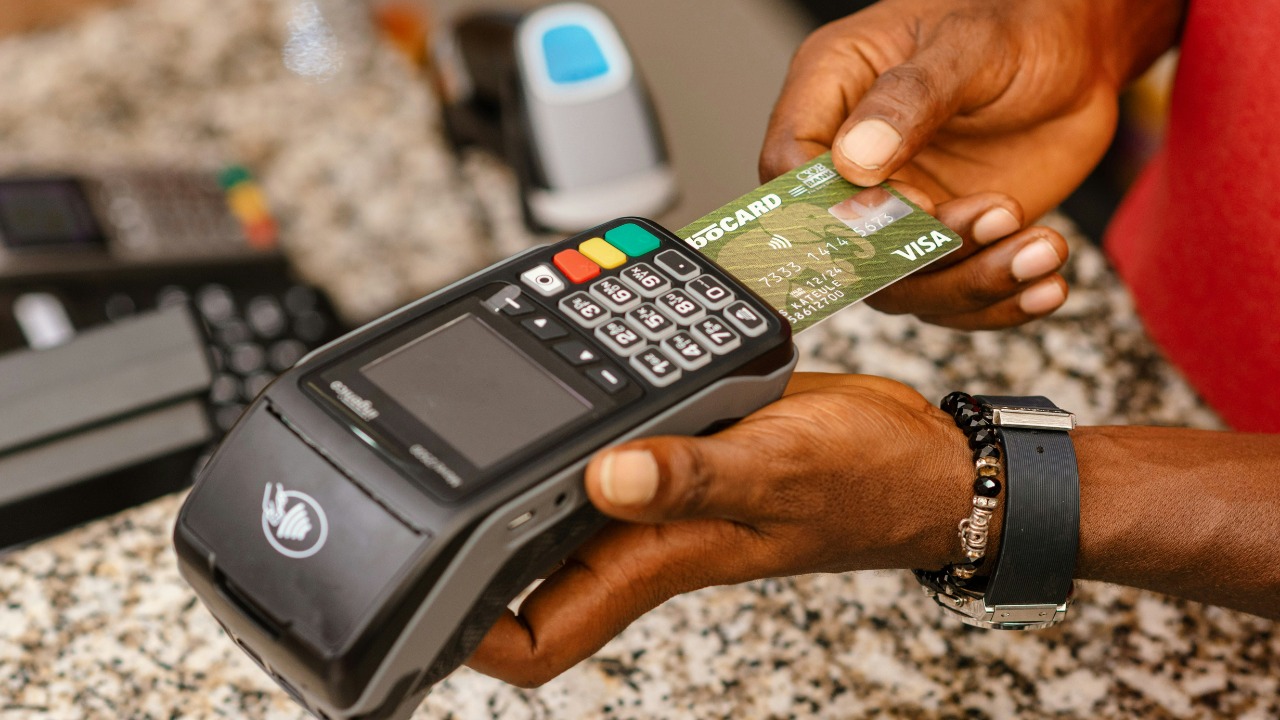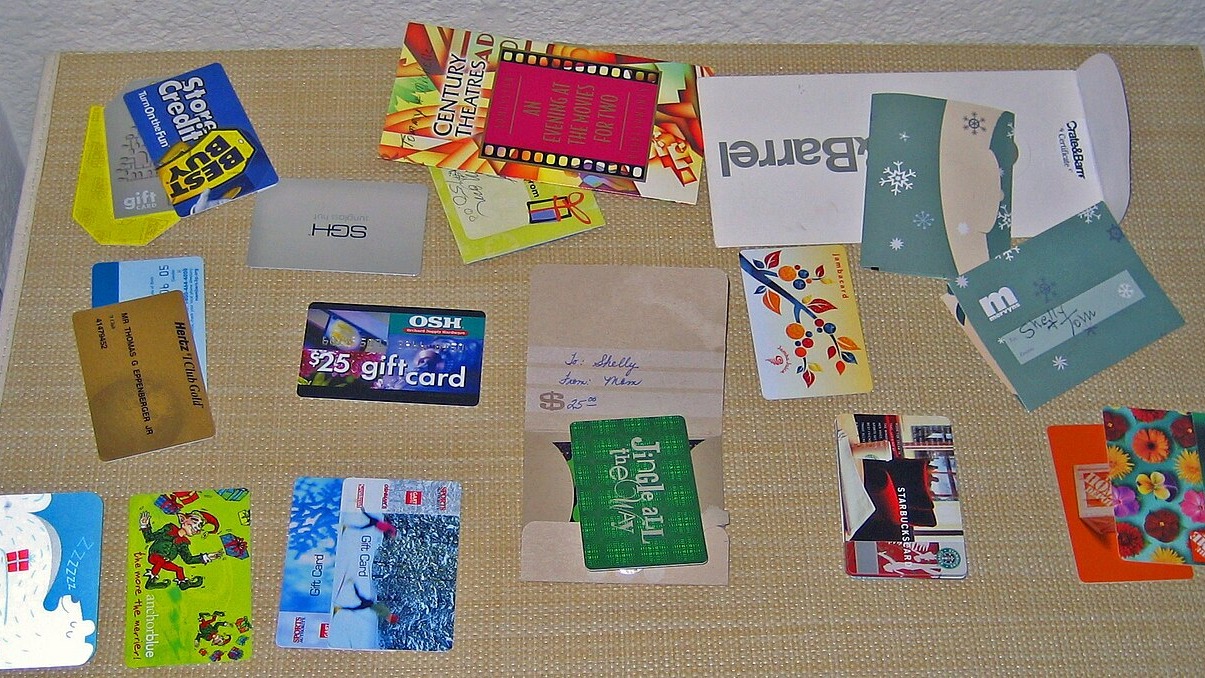
The phone call is urgent. Your grandson is in jail, or your Social Security number is “suspended,” or Microsoft has detected a virus, or the electric company is sending a truck to shut off your power within the hour. The details vary, but the ending never does: go to a store, buy gift cards, and read the numbers off the back. In parking lots across America, decent people stand at their cars doing exactly that, on the phone with a criminal who is coaching them the whole way.
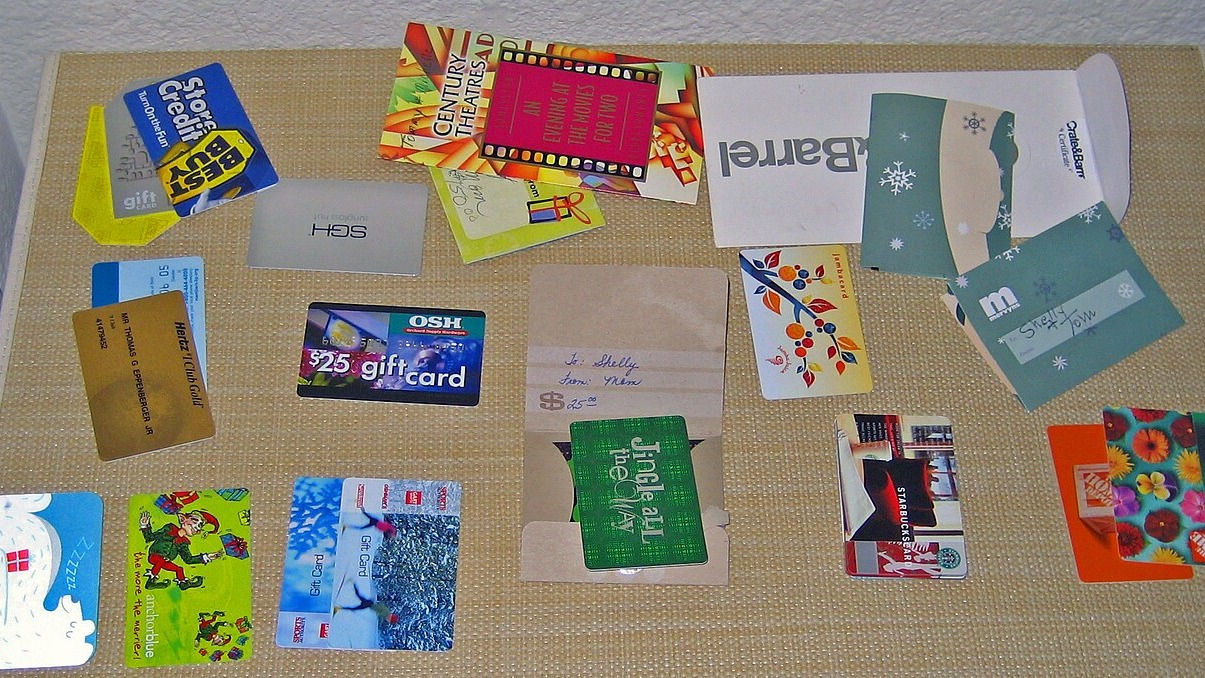
The Federal Trade Commission’s guidance on this is one sentence long, and it is the sentence to keep: anyone who demands payment by gift card is a scammer. Not sometimes, not usually. Always. No government agency, no utility, no bank, no tech company, no sweepstakes, and no legitimate business settles a debt or collects a fee in Google Play or Apple cards. The FTC’s reports show Americans losing hundreds of millions of dollars a year to this single mechanism, and older adults are hit hardest because the scripts are built to reach them.
Why criminals love gift cards
Gift cards are the perfect getaway vehicle: instant, irreversible, and anonymous. The moment you read the card number and PIN over the phone, the money can be drained or resold, often within minutes, from anywhere in the world. There is no chargeback system like a credit card, no fraud department that can claw the transfer back, no ID required to spend it. That is why every scam script, whatever it opens with, funnels toward the same rack at the drugstore.
The scripts also travel in pairs with isolation tactics. Victims are told to stay on the phone while they drive to the store, told to lie to cashiers about why they are buying the cards (“say they’re for your granddaughter”), and warned that hanging up will mean arrest or a loved one’s harm. If a stranger on the phone is managing what you say to other people, that is the scam announcing itself.
The five scripts to recognize
One: the government impostor, claiming to be the IRS, Social Security, Medicare, or the police, demanding gift cards to fix a fake problem. Real agencies send letters and never take gift cards. Two: the family emergency, a grandchild in trouble who needs bail or hospital money quietly. Hang up and call the family member directly at their own number. Three: tech support, a pop-up or call about a virus, with payment for “repairs” in cards. Four: the prize or sweepstakes, where you have won big but must pay fees in gift cards first; real prizes never charge admission. Five: the utility shutoff, threatening same-day disconnection unless you pay by card. Utilities have formal shutoff processes with written notice, and they take checks.
Every one of these collapses under a single move: hang up, wait a few minutes, and call the real organization at a number you find yourself, from a bill, a statement, or the official website.
A newer wrinkle: tampered cards on the rack
Not every gift card crime needs a phone call. Card draining involves criminals who take cards from store racks, record the numbers or swap packaging, and reseal them; when a buyer later loads money, the crook spends it first. Before buying any gift card as an actual gift, look at the packaging: torn wrapping, exposed PINs, or stickers over the barcode are reasons to pick a different card, ideally from behind the customer service counter. Keep the purchase receipt with the card; the recipient may need it.
If you already paid: the first hour matters
Speed is everything. First, find the card and the receipt, and call the gift card company immediately, tell them the card was used in a scam, and ask if any balance can be frozen or refunded. The FTC keeps a list of contact numbers for the major card issuers, including Amazon, Apple, Google Play, Target, Visa, and Walmart, on the same page as its scam guidance. Some issuers can stop a card that has not yet been drained; none can help if you wait a week.
Second, report it: to the FTC at ReportFraud.ftc.gov, and, if the scam arrived over the internet or targeted an older relative, to the FBI’s Internet Crime Complaint Center at IC3.gov. Reports feel futile in the moment; they are the raw material for takedowns and for the refund programs that occasionally follow enforcement actions.
Third, skip the shame. These scripts are engineered by professionals who run them hundreds of times a day, and they work on retired teachers, engineers, and police officers alike. Telling the story, to family and to the authorities, is what breaks the cycle, because the scam’s real fuel is silence.
One rule, worth taping to the refrigerator: gift cards are for gifts, never for payments. Anyone who says otherwise, whatever their badge, title, or caller ID claims, is lying to you.
This article was produced with AI assistance and reviewed by a human editor. Figures are linked to their primary sources; where a claim could not be verified from the public record, we say so.