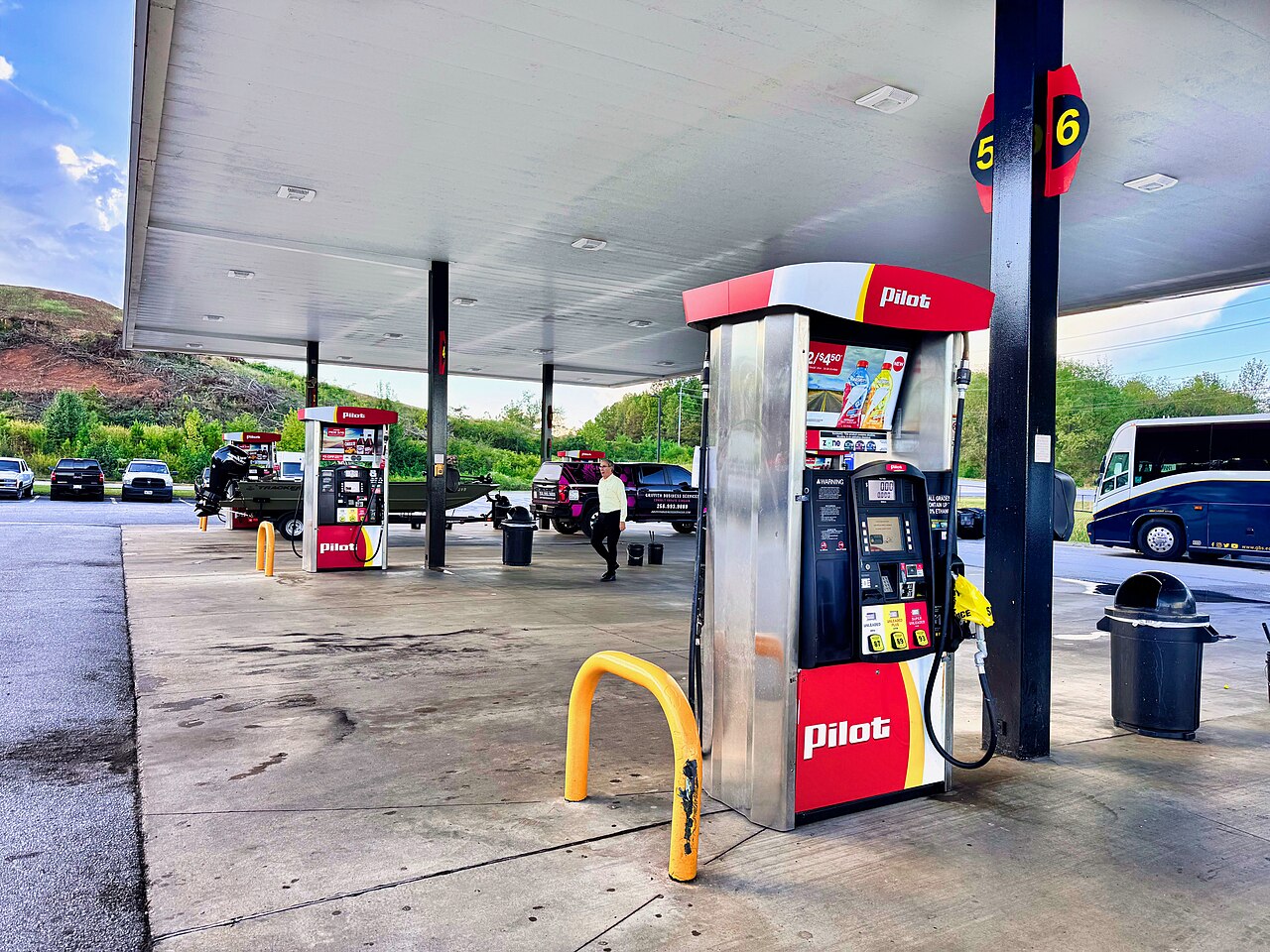
It is a holiday weekend, the highways are full, and at every pump in America a driver is hovering over three buttons, wondering whether the expensive one is “better” for the car. Premium gasoline consistently costs meaningfully more per gallon than regular, and over a summer of road trips that difference becomes real grocery money. So it is worth saying clearly: for most cars on the road, premium buys you little or nothing.

That is not a hunch; it is the federal government’s own guidance. The Energy Department and EPA’s joint fuel-economy site says that if your car is designed for regular, higher-octane gasoline may give you little to no benefit under normal driving; the exception it allows is a few percent in performance and mileage under severe duty, like towing or hauling heavy loads in hot weather. The only question that matters is what your specific engine was built for, and the answer is printed in your owner’s manual and usually inside the fuel door.
What octane actually measures
The 87, 89, and 91-plus numbers on the pump are octane ratings, and they measure exactly one thing: the fuel’s resistance to igniting before it is supposed to. In an engine, the fuel-air mix should ignite from the spark plug, not from heat and pressure alone. When it self-ignites early, you get “knock,” a rattling combustion that robs power and, if severe and sustained, can damage the engine. The Energy Information Administration’s octane explainer covers the chemistry, but the practical version is simple: higher octane resists knock better, and engines built with higher compression or turbochargers are the ones that need that resistance.
Notice what octane does not measure: energy content, purity, or “quality.” Premium is not cleaner or more powerful fuel; detergent additives are required in all grades of gasoline sold in the U.S. Premium is simply more knock-resistant, which matters only to engines designed to exploit it.
Required, recommended, or neither: the three cases
Check your manual and you will find one of three situations. If it says premium is required, use it. These are typically turbocharged or high-compression engines, and while modern knock sensors will pull timing to protect the engine if you feed it regular, you will lose performance and fuel economy, and sustained hard driving on too-low octane can cause damage that a manufacturer may not cover under warranty.
If it says premium is recommended, you have a genuine choice. The car runs safely on regular; premium may restore a bit of rated horsepower or slightly better economy under load. The government’s guidance suggests the upgrade can be worth it when you are towing or carrying heavy loads in hot weather, and skippable for ordinary commuting. Try a few tanks each way and let your own fuel-economy math decide.
If the manual just says regular, 87 octane, you are in the largest group, and the case is closed. Premium in a regular-fuel engine is not a treat for the car. It is the same drive at a higher price.
The mid-grade trap and the mountain exception
Mid-grade, the middle button, is mostly a marketing artifact: very few engines specifically call for 89 octane. If your car needs regular, mid-grade is wasted money; if it truly needs 91 or higher, mid-grade is not enough. Buy what the manual says, not what splits the difference.
One legitimate wrinkle: at high elevations, you may see 85 octane sold as “regular.” That lower rating dates to the era of carbureted engines, which tolerated it at altitude. Owners of modern fuel-injected cars are generally better off sticking to the octane their manual specifies even in the mountains.
Doing the math on your own car

The gap between regular and premium at your local station is posted right on the sign, and national average prices by grade are published weekly by the EIA’s gasoline update. Take your annual miles, divide by your real-world miles per gallon, and multiply by the per-gallon gap: that is the yearly cost of pressing the wrong button. For a typical driver burning several hundred gallons a year, buying premium a car does not need runs into hundreds of dollars annually, money that produces literally nothing.
Flip it around, and the same math applies to drivers of premium-required cars who are tempted to cheap out: the fuel savings are modest, and the downside risk sits inside the most expensive component you own.
And if you ever do hear knocking, a metallic rattle under acceleration, on the correct grade of fuel, do not solve it by permanently upgrading your gas. Persistent knock on the right octane usually points to a mechanical or sensor issue, carbon buildup, or a bad tank of fuel, and it is a conversation for a mechanic, not a more expensive button. Buying premium to mask a problem treats the symptom at an extra 50 cents to a dollar a gallon while the cause keeps developing.
The 30-second habit
Open the manual once, read the fuel page, and settle the question permanently for every car in your household. Then buy exactly that grade, from a busy station with good turnover, and spend your attention on the things that actually move your fuel bill: tire pressure, smooth acceleration, and combining trips. The fuel-economy site linked above keeps a full list of those, and unlike the premium button, they are all free.
This article was produced with AI assistance and reviewed by a human editor. Figures are linked to their primary sources; where a claim could not be verified from the public record, we say so.