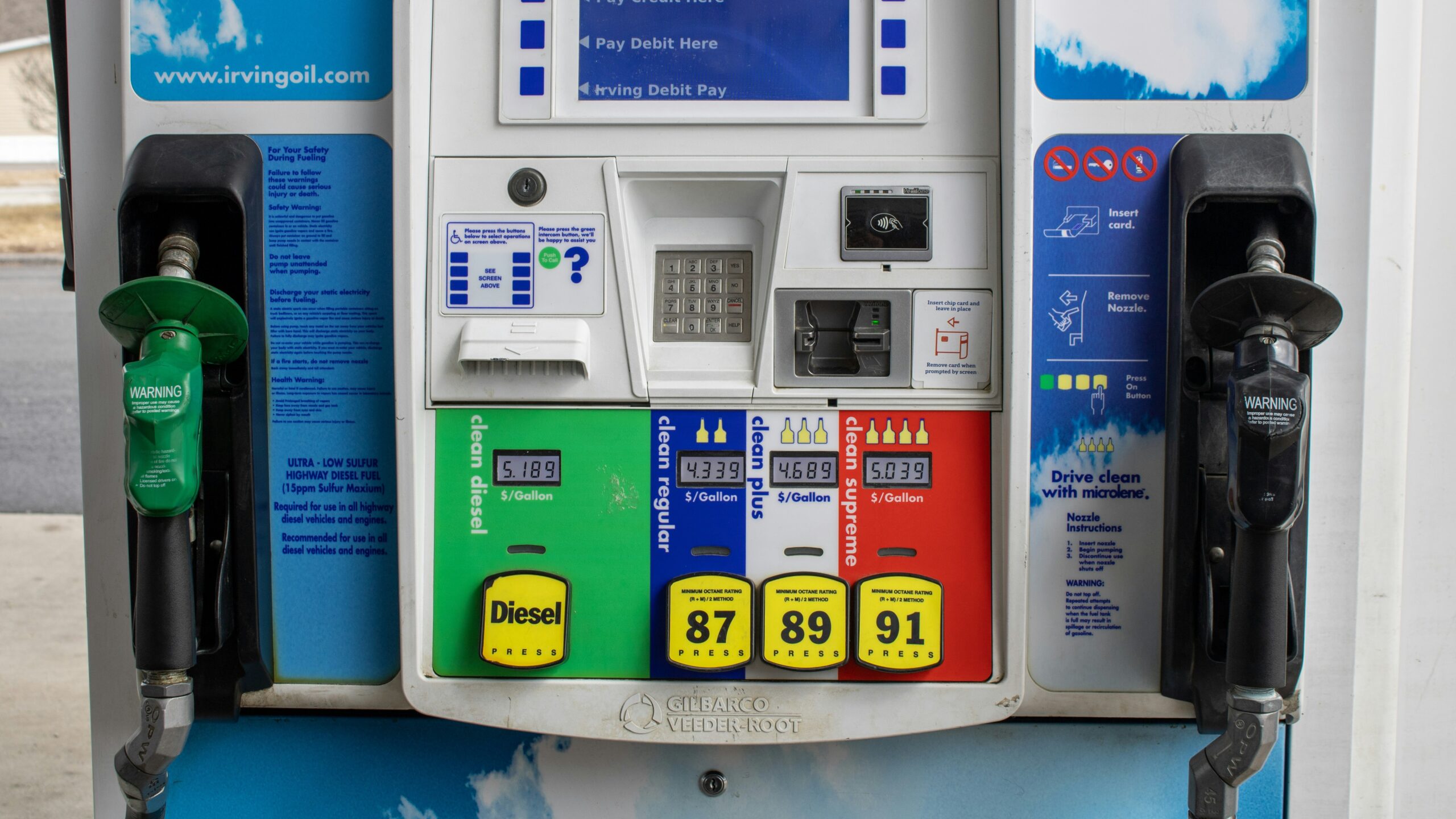
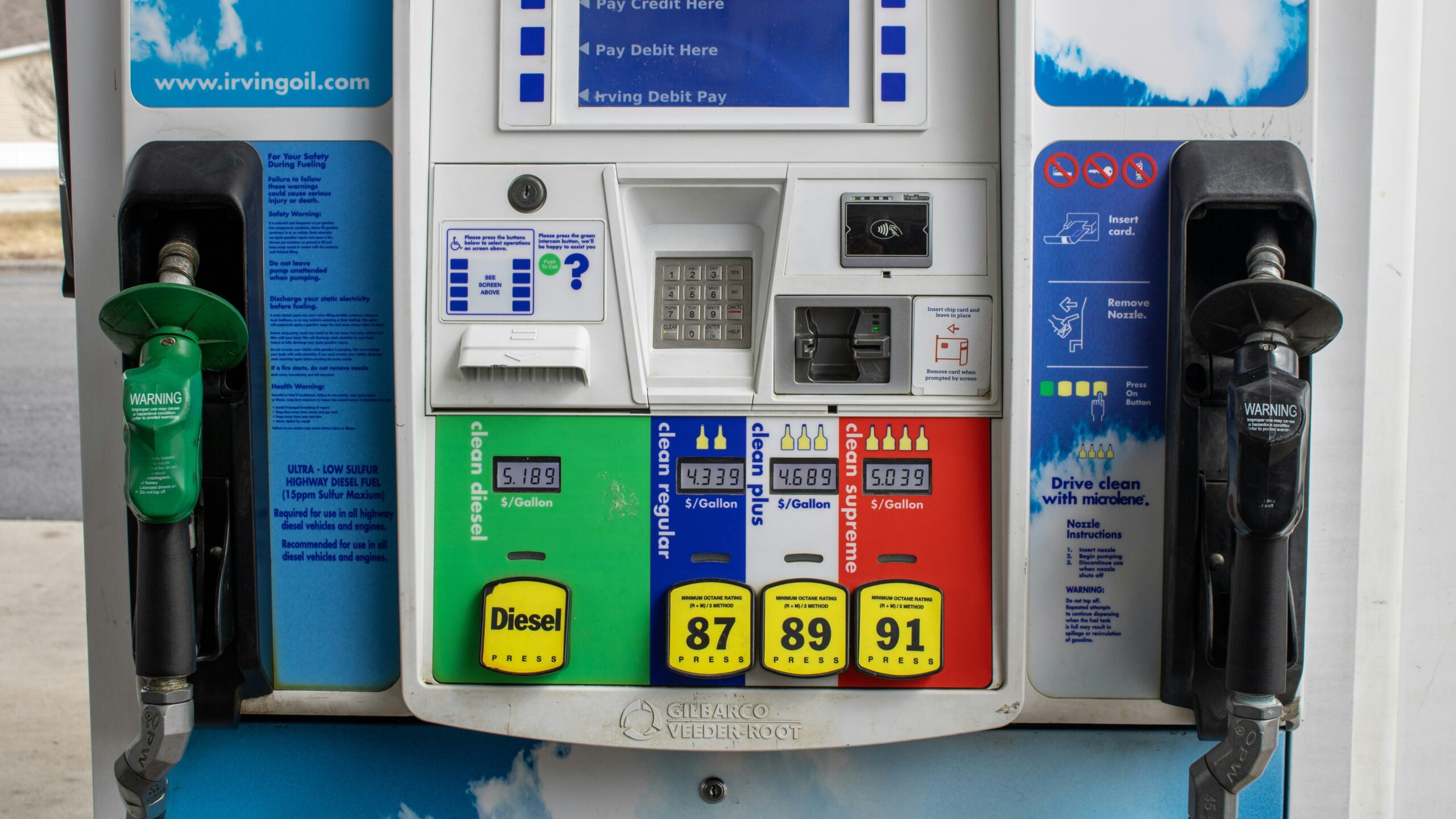
If your Memorial Day plans involve a full tank, budget more than you did last year — a lot more. Heading into the holiday weekend, the national average for a gallon of regular sits at $4.56, according to AAA’s May 21 price update. That’s up 3 cents in a week and a full $1.38 higher than drivers were paying at this point in 2025.
It’s the most expensive Memorial Day at the pump in four years — AAA notes the last comparable holiday was 2022, when the national average hit $4.61 — and it’s arriving just as a record number of Americans get in the car anyway. Here’s what the numbers say about what your trip will cost, why prices are where they are, and where the pain is worst.
The baseline: what a gallon costs right now
Two trackers matter here, and they agree. AAA’s survey puts regular at $4.56 as of May 21. The U.S. Energy Information Administration’s weekly survey — the government’s official retail price series — put the national average for regular at $4.49 a gallon for the week of May 18. The same EIA series shows just how fast this happened: a year ago, the comparable mid-May week averaged $3.17. Prices climbed all spring — from about $3.02 in early March to roughly $3.99 by month’s end, then past $4.45 by early May.
Kitchen-table version: a 600-mile round trip in a car that gets 25 miles per gallon takes 24 gallons. At this weekend’s prices, that’s roughly $108 in gas. The identical trip last Memorial Day cost about $76. Same car, same route, about $32 more — and that’s one modest trip in one vehicle.
Why prices are this high
Part of it is the normal seasonal story: summer-blend gasoline costs more to make, and demand rises as the weather warms. EIA data cited in AAA’s update shows gasoline demand ticking up to 8.76 million barrels a day last week while total gasoline supply slipped to 214.2 million barrels.
But the bigger driver is the oil market. AAA points to the prolonged closure of the Strait of Hormuz — the world’s most important oil chokepoint — as the reason pump prices are likely to stay elevated into the summer driving season. Crude has been trading near levels not seen in years; West Texas Intermediate settled at $98.26 a barrel at midweek even after a sizable one-day drop. When roughly half of every dollar you pay at the pump traces back to the price of crude oil, a stressed global oil market shows up on the corner gas station sign within weeks.
Record travel anyway: 45 million on the move
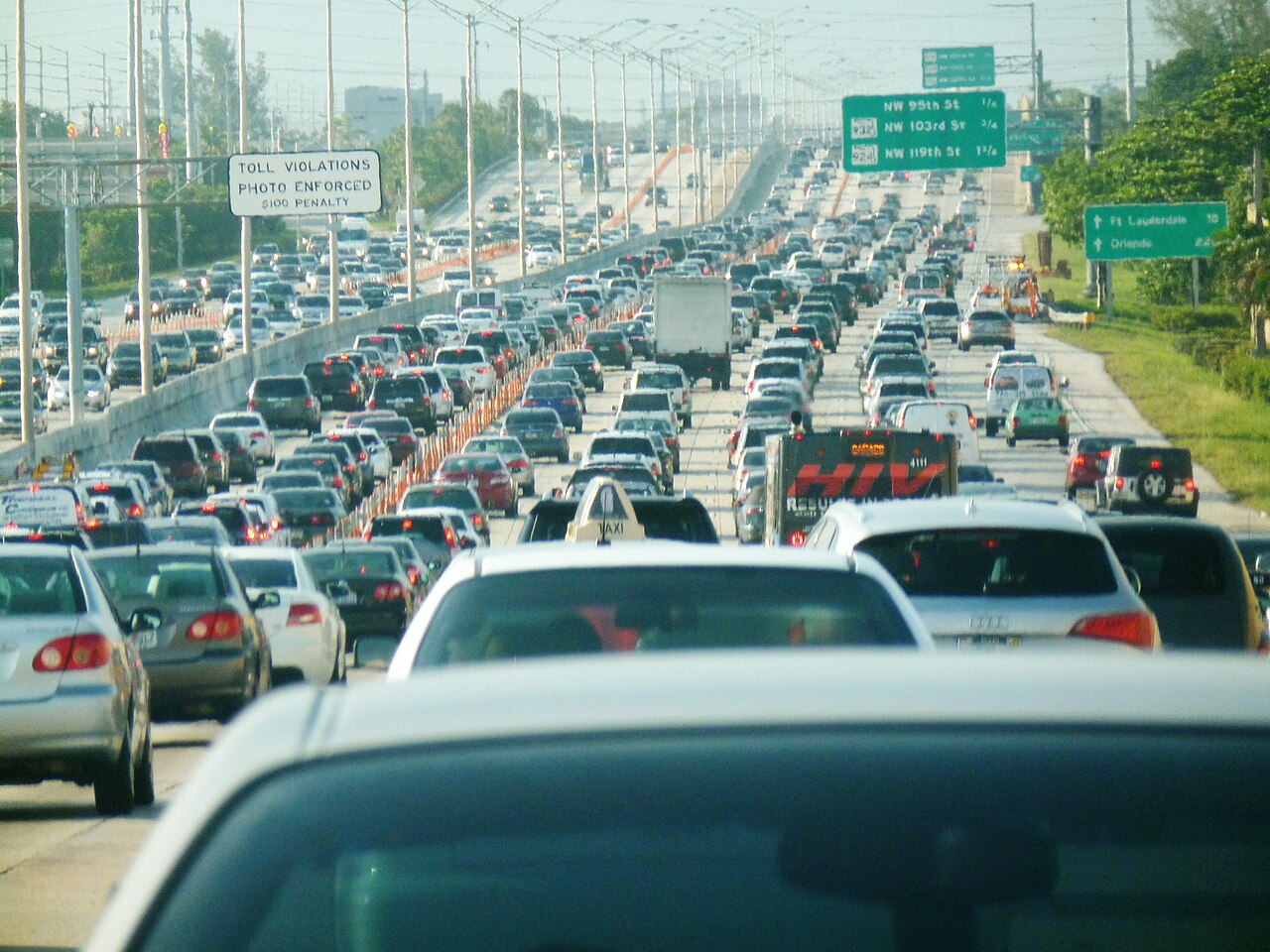
High prices are not keeping people home. AAA projects 45 million Americans will travel at least 50 miles for Memorial Day between Thursday, May 21 and Monday, May 25 — and 39.1 million of them will drive, a record for the holiday. That echoes a pattern economists have seen for decades: gas prices change how people feel about a trip more than whether they take it. Families trim a night from the hotel stay or pack a cooler instead of stopping for lunch, but the trip happens.
If you’re among the 39.1 million, the timing advice from AAA’s congestion data: the worst traffic comes Thursday and Friday afternoons between about 3 p.m. and 6 p.m., and again Monday afternoon. Sunday is the quietest driving day of the weekend.
Where gas is cheapest — and most expensive
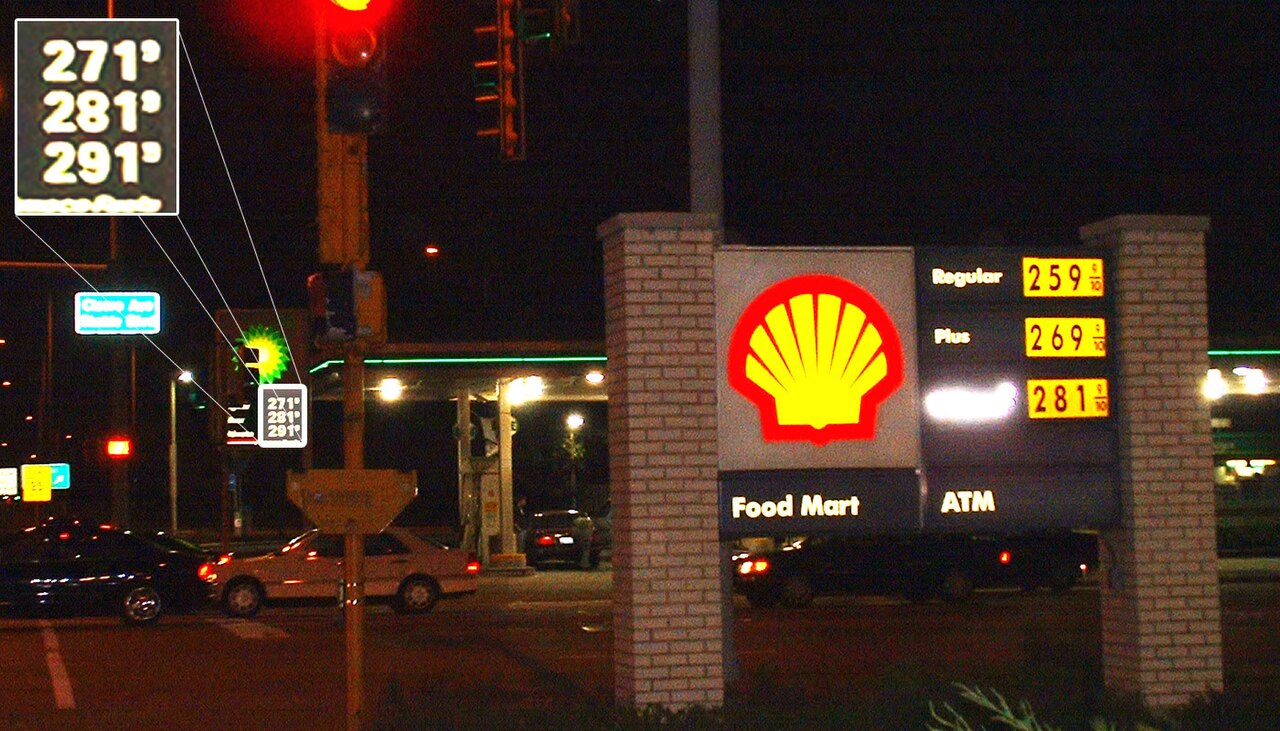
The national average hides a spread of more than two dollars a gallon between states. Per AAA’s state-by-state survey, the cheapest markets this week are Mississippi ($4.01), Georgia ($4.03), Indiana ($4.04), Louisiana ($4.05), and Texas and Oklahoma (both $4.09). The most expensive are California ($6.14), Washington ($5.78), Hawaii ($5.64), Oregon ($5.35), and Alaska and Nevada (both $5.27).
The lesson for road-trippers near a state line is old but newly valuable: crossing from Illinois (over $5) into Indiana (about $4.04) before filling up is now a decision worth nearly a dollar a gallon. Apps and the AAA state averages table make the comparison free.
Driving an EV? Your “pump price” barely moved
One quiet contrast in AAA’s data: while gasoline is up almost a dollar and a half in a year, the national average price at public EV charging stations held steady this week at 41 cents per kilowatt-hour. Electricity prices simply don’t swing with the oil market the way gasoline does. That doesn’t make public charging cheap — on a per-mile basis it can rival gas for some vehicles — but home charging remains far less exposed to weeks like this one.
Three ways to blunt the bill this weekend
You can’t control the Strait of Hormuz. You can control a few things. First, slow down and smooth out — aggressive acceleration and highway speeds well above the limit measurably raise fuel consumption, which matters more at $4.56 than it did at $3.17. Second, check your tire pressure before you leave; underinflated tires waste fuel on exactly the kind of long, loaded-down highway trip most people take this weekend. Third, pay attention to price, not brand: in a market moving this fast, stations across the street from each other can differ by 20 or 30 cents, and the cash discount some stations offer is worth taking again.
Prices this high are painful, but they’re also information. If the summer stays expensive, the drivers who adapt earliest — combining errands, comparing stations, driving gently — will quietly save hundreds of dollars by Labor Day.
This article was produced with AI assistance and reviewed by a human editor. Figures are linked to their primary sources; where a claim could not be verified from the public record, we say so.