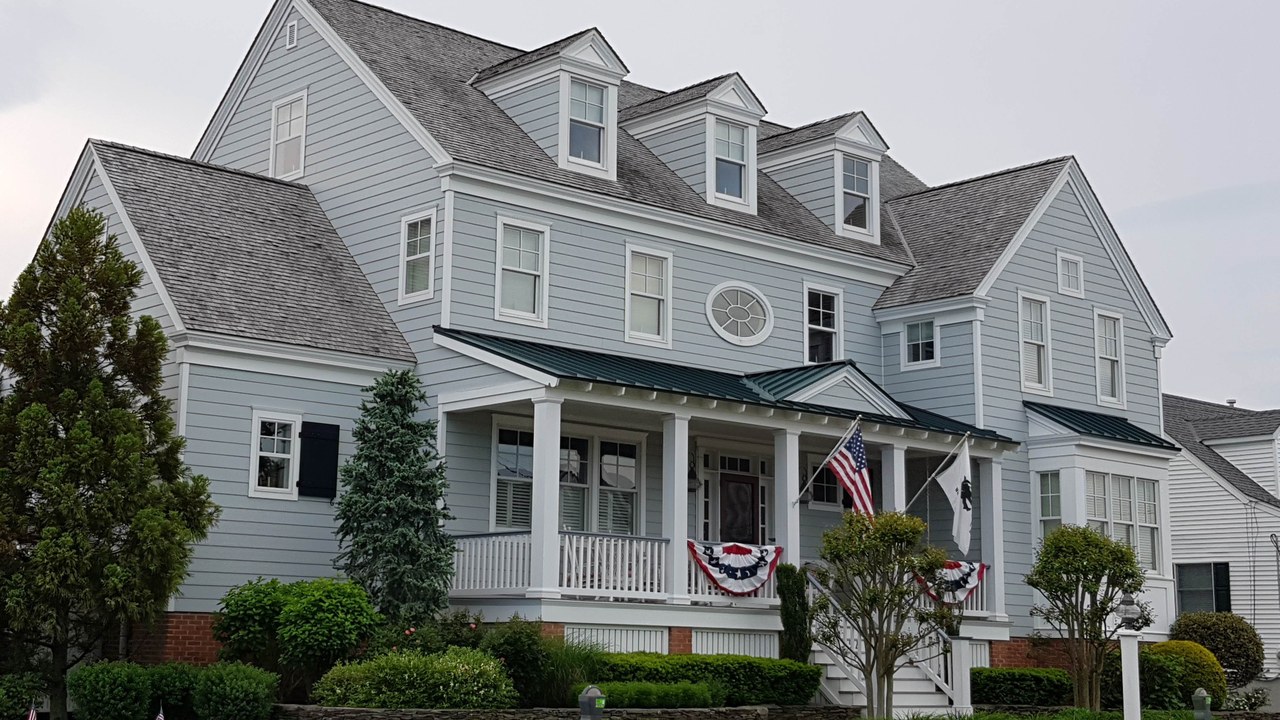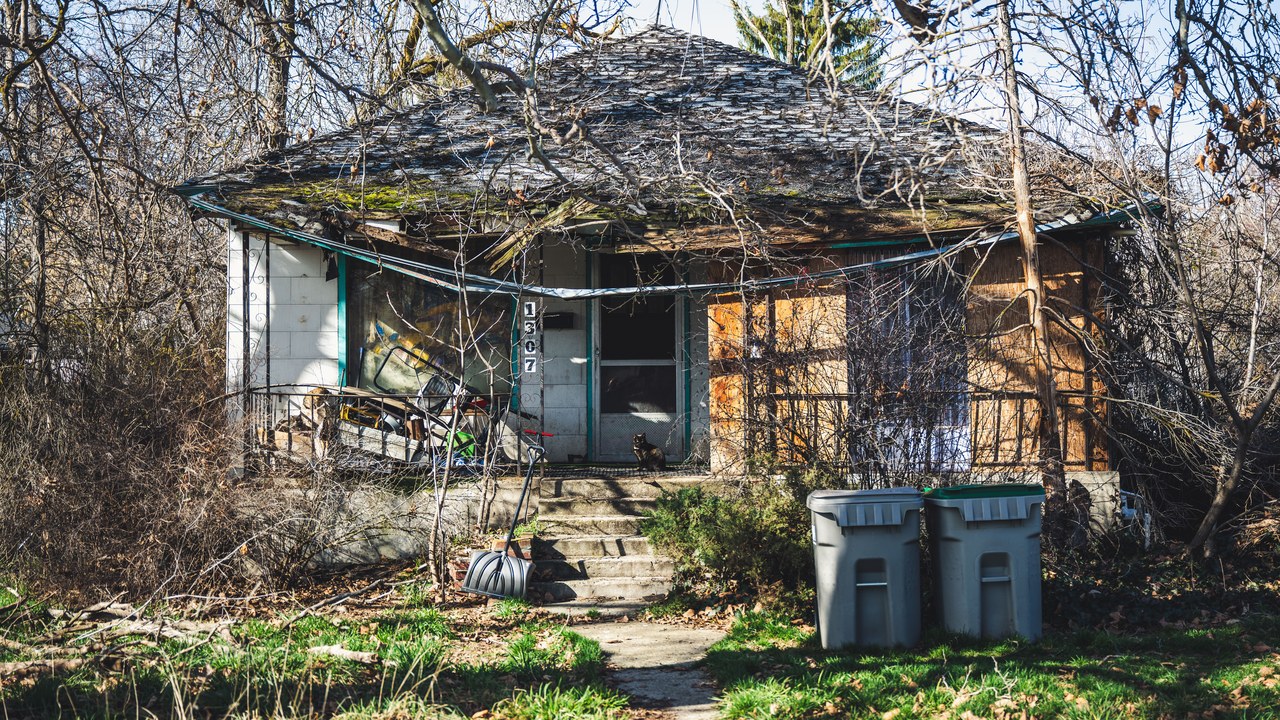
Kitsap County, Washington, is holding $470,232.04 in leftover money from properties it sold for unpaid taxes, and the former owners are the ones who can ask for it. Each claim has a clock. Once three years pass from the date of the sale, the county keeps the money for its own budget.
The amounts sit on the county treasurer’s tax foreclosure surplus list, which the county marks as updated daily. The list runs from sales on Jan. 7, 2019 through Jan. 27, 2026 and shows, parcel by parcel, how much of each sale price was left after the tax debt was covered.
What the $470,232 figure means
The $470,232.04 is the total surplus balance across the whole list, not a payment owed to any one person. The treasurer’s list carries 62 rows covering 61 different parcels, with one parcel listed twice. Some rows show a balance of zero because the owner has already been paid.
The balance also includes money where a claim is already moving. A status column marks some parcels “application sent” or “application received,” and others as tax title, interpled, sale reversed or “3 yrs expired.” A former owner who sees a parcel with a balance and a status of “application sent” should still ask the treasurer who the application went to.
Stay ahead of settlement and refund news: Miss an enrollment or claim deadline and the money can be gone. Join the Retirement Money Brief and we’ll send you our Open Settlements & Refund Tracker as a welcome gift.
Get the Brief + the settlements tracker →
We may earn a commission from links on this page.
One line shows how large a single balance can be. A parcel sold Jan. 13, 2026 for $104,879.08 left $95,100 in surplus, and the list shows its application as sent. Another sold Jan. 6, 2020 produced $259,579.61 in excess proceeds, and its status reads “3 yrs expired.” Nothing is left to claim on that one.
The status labels tell a former owner what to expect. “Interpled” means the money is held while competing claims are sorted out. “Sale reversed” means the sale itself was undone. The summary row at the top of the list shows $2,269,112.72 in total excess proceeds and $2,188,889.51 in surplus already paid, next to the $470,232.04 balance. Those totals cover every sale back to 2019, so the balance is the figure that speaks to money still waiting.
Who gets paid, and who does not
The money goes to the record owner, meaning the person who held title when the certificate of delinquency was issued. The treasurer’s information sheet says later deeds or assignments do not change who is paid, and the treasurer pays only that owner.
That rule matters to families. A parent who owned the house when the debt was filed, and has since died, is still the record owner on paper. Heirs who think a relative lost a house to a tax sale can look up the parcel number on the list and bring proof of how they are connected to the person on the title.
The three-year clock
The deadline is built into state law. RCW 84.64.080 says that if the treasurer receives no claim within three years after the sale, the excess goes into the county’s current expense fund, and that extinguishes every owner’s claim to it.
Because every sale has its own date, every parcel has its own cutoff. A sale on Jan. 13, 2026 stays claimable until Jan. 13, 2029. A sale from late 2023 is close to its end. The list itself does not print a deadline column, so each former owner has to count three years from the sale date shown on the row.
Washington law also caps what anyone can charge for finding this kind of money. Under RCW 63.29.350, as the treasurer’s sheet describes it, seeking or accepting a fee above 5 percent of the value returned for unclaimed county funds is a misdemeanor. Anyone who gets a call or letter from a stranger offering to recover tax-sale money for a larger cut can hold the offer up against that limit.
How a claim is filed
The county has a single-page surplus application. It is completed by the record owner as of the sale date, and every section has to be filled in. The signature must be notarized. Anyone who signs also attaches a copy of a photo ID, along with copies of the documents that support the claim.
The packet goes by mail to the Kitsap County Treasurer, 614 Division St MS-32, Port Orchard, WA 98366. The form states no phone number or deadline of its own, which is why the sale date on the list is the date to count from. If several people share the claim, each can attach an additional application.
Payment is made “on application,” in the words of the statute, so nothing arrives unless the packet does. The treasurer’s sheet does not say how long processing takes after the packet is received, and the county has not published a payment timeline on the list.
Anyone who thinks a property was sold can start with the parcel number, which is on the old tax statement or in the county assessor’s records. If the number is on the list, the row gives the sale date, the sale price, the excess proceeds and the current balance. That is enough to know whether a claim is worth mailing and how many months remain before the three years end.
Was a Kitsap County property sold for back taxes?
A property sold for back taxes can leave as much as $95,100 on a single parcel, and the three-year mark passes without a notice to the old owner. After that, the treasurer moves the leftover money into the county’s own expense fund, and the claim cannot be revived.
The Settlement & Refund Recovery System includes a 5-tab Excel tracker pre-filled with all 51 state unclaimed-property offices, so a Washington sale list is only one of the places to look. It also has the source vault of 12 official places money sits and a claim log to track each filing date.
Get the unclaimed-money tracker and source vault to check the Kitsap surplus list →
This article was produced with AI assistance and edited for accuracy against the sources linked above.