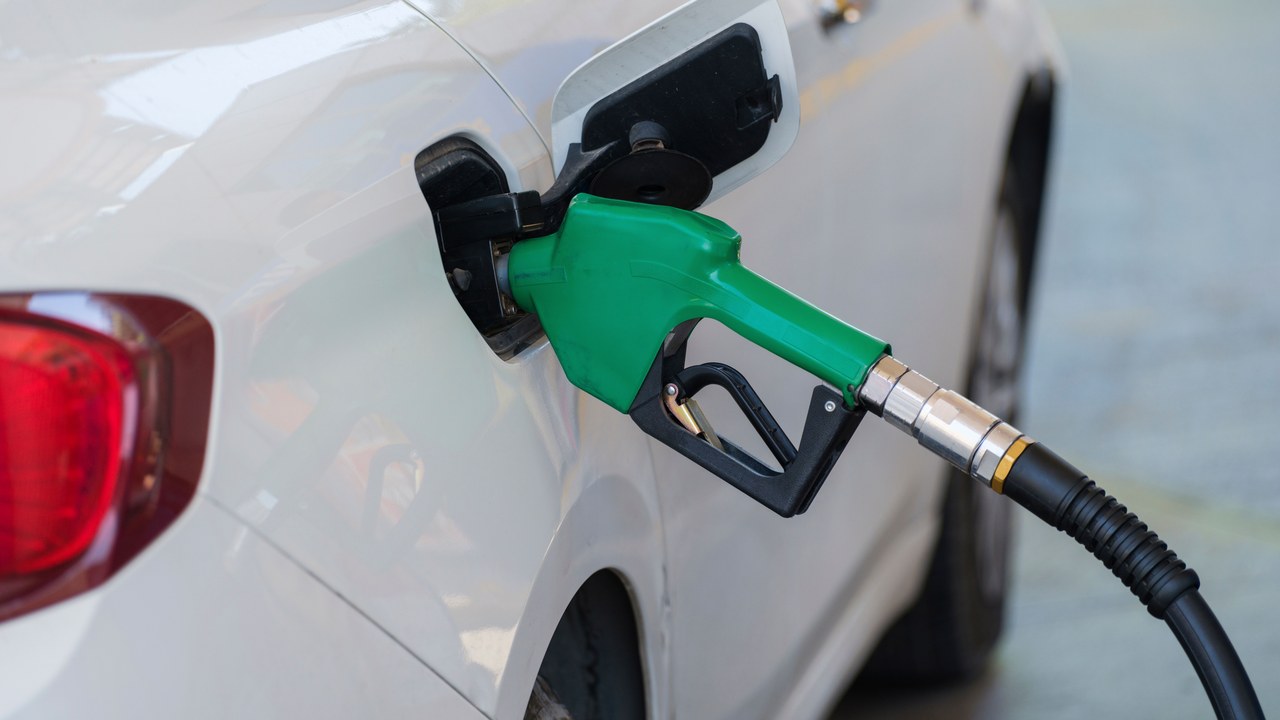
Indiana drivers will keep paying no state tax on gasoline through Dec. 4, after Gov. Mike Braun extended the state’s energy emergency for another 30 days. The order covers all 92 counties and took effect Nov. 5. Braun signed it Wednesday, the day the earlier suspension was due to end.
Executive Order 26-35 stops the state from collecting two taxes, the Gasoline Excise Tax and the Gasoline Usage Tax. It is the latest in a string of back-to-back extensions. Braun first acted on fuel prices in April, his office says, and each order since has picked up where the last one stopped.
What the extension means at the pump
For anyone who drives in Indiana, the change is simple. Gas bought between now and Dec. 4 carries no state excise tax and no state usage tax, whether it is a weekly fill-up or the tank for a Thanksgiving drive to see family. The state is simply not collecting the taxes, so there is nothing to apply for and no card to show.
The governor’s office has not published a cents-per-gallon savings figure for this month. That matters because one of the two taxes moves with the price of gas, so the amount kept on any receipt changes from month to month.
Stay ahead of property tax and utility bill news: Miss an enrollment or claim deadline and the money can be gone. Join the Retirement Money Brief and we’ll send you our Property Tax & Utility Relief Finder as a welcome gift.
Get the Brief + the relief finder →
We may earn a commission from links on this page.
The governor’s announcement says the extension runs from Nov. 5 through Dec. 4 under an emergency first declared Aug. 7. Braun said in the release that “affordability is my top priority” and that he is using “every tool available to help Hoosier families and farmers save money at the pump.”
How the two taxes work, and what they cost
The two taxes are collected at different points. The Indiana Department of Revenue says the gas use tax is set each month at 7 percent of the statewide average retail price of a gallon, before taxes, and the department publishes the new rate in a monthly notice. The excise tax is a flat per-gallon amount paid by fuel distributors.
The department’s gasoline tax page says the current suspension runs consecutively with the suspensions under earlier executive orders. In other words, the state treats the break as one continuous stretch, not a series of fresh starts.
For a sense of scale, the Indiana Capital Chronicle reported in August that gasoline taxes totaled 58.9 cents a gallon that month: a 37-cent excise tax, up a cent on July 1, plus a use tax of 21.9 cents. Because the use tax follows the price of gas, the November amount can differ from that August snapshot.
The state is giving up real money. When Braun extended the break in August, the administration projected a $533 million revenue decline from the four months of suspension up to that point, according to the States Newsroom report on that order. That figure covers the earlier months, not the new 30-day extension.
Braun has said he will make local governments whole and use current reserves so the Indiana Department of Transportation can keep every fiscal year 2027 road project and maintenance job on schedule. His office frames the extension as a way to keep the savings in place while protecting funding for roads and infrastructure.
The legal footing has drawn attention before. The same August report noted that the state’s energy emergency law caps a governor’s action at 120 days without legislative approval, and that Braun had said a month earlier he lacked the power to continue the break without a special session. In August he pointed to new conditions that continue to disrupt global energy distribution as the basis for a fresh order, and the latest order extends that emergency.
Farmers and timber haulers get a diesel exception
Braun signed a second order the same day. It continues the suspension of special fuel restrictions for farmers and timber harvesters, letting them use dyed diesel in qualifying highway vehicles that are doing agricultural and timber work. The governor’s office says the aim is to cut transportation costs during the corn and soybean harvest.
The release also says the action continues diesel tax relief, but it does not spell out who qualifies beyond the dyed-diesel provision. Revenue department guidance on the earlier version of that order says that since Sept. 30 only farmers and timber harvesters may use dyed diesel to haul farm and timber products on Indiana roads.
What happens after Dec. 4
The order ends Dec. 4, and the governor’s office has announced nothing past that date. If no new order follows, the state gasoline taxes come back and the price at the pump rises by that amount. Braun’s office has described each extension as lasting another month, which is why the Dec. 4 date is the one to watch.
Drivers who budget by the week on a fixed income can plan around that date now. Filling up before Dec. 4 captures the break on the gallons bought, while any trip planned for the weeks after it should be priced as if the full tax returns. A governor’s order can end at any point, which is why savings that do not depend on one matter for the longer run.
Filling up before Dec. 4?
A gas tax break is a month-to-month thing. When Dec. 4 passes, older drivers on a pension or Social Security check feel the price rise at the pump, and the break was never a permanent discount in the first place.
Senior Discounts Worth Asking For is a 12-page guide to the discounts that are never offered unless someone asks. It covers Amtrak and city transit: 10% off most rail fares, half fare on many buses, along with utility rates for seniors and a savings log that tracks what asking is worth each year.
This article was produced with AI assistance and edited for accuracy against the sources linked above.