
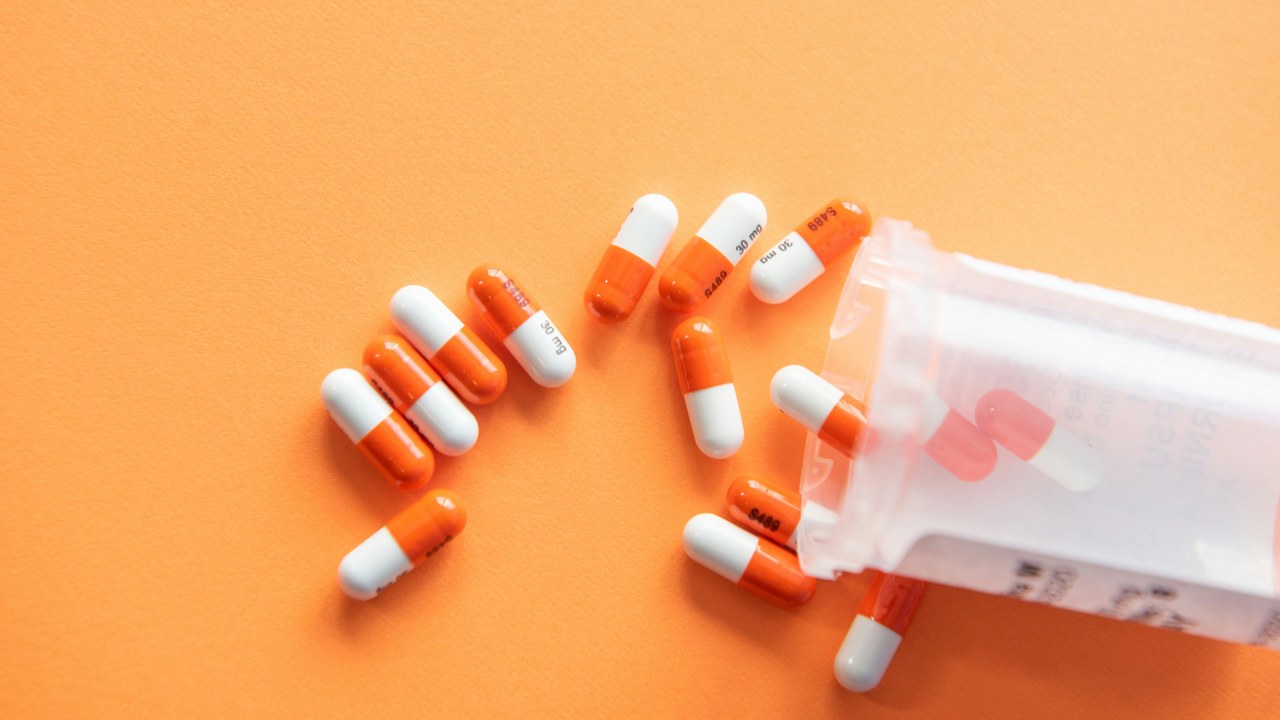
The White House says 26 drug manufacturers have now signed agreements to lower what state Medicaid programs pay for brand-name drugs. It says the companies cover most of the branded drug market.
The announcement came in a fact sheet dated September 18, 2026. It is a claim by the administration, and the fact sheet does not say when the Medicaid arrangement takes effect.
Which 26 drugmakers signed?
The White House names them: Pfizer, AstraZeneca, EMD Serono, Eli Lilly, Novo Nordisk, Amgen, Bristol Myers Squibb, Boehringer Ingelheim, Genentech, Gilead Sciences, GSK, Merck, Novartis, Sanofi, Johnson & Johnson, AbbVie, Regeneron, Alcon, Astellas Pharma, BeOne Medicines, BridgeBio, CSL, Kyowa Kirin, Sun Pharma, Teva Pharmaceuticals and UCB.
The fact sheet says those 26 manufacturers have agreements with the administration. Together, it says, they cover most of the branded drug market. The White House puts the 26 manufacturers at 89% of the branded drug market, which is the point of the announcement: a deal with a few companies would reach few drugs, while one with this group reaches many.
Will this lower the cost at a pharmacy counter?
The question that matters for most readers is narrower than the announcement. Medicaid is the program for people with low incomes, and the price the state pays is a rebate arrangement between the government and the manufacturer. A rebate to a state program is not a lower price at a retail counter.
What changed this year: Social Security and Medicare change every year, and nobody sends you a memo. The Retirement Money Brief breaks down what changed and what to do. Bonus when you subscribe: our Prescription Coverage & Pharmacy Checklist.
Get the Brief and the prescription checklist →
We may earn a commission from links on this page.
How does the Medicaid pricing deal work?
The deal applies what the administration calls most-favored-nation pricing to Medicaid. Under what the White House calls the GENEROUS Medicaid Payment Model, participating manufacturers provide rebates on expensive brand-name drugs so that the final Medicaid price does not exceed the most-favored-nation price.
The fact sheet says the model covers hundreds of drugs across most major classes, including cancer, diabetes and asthma medicines. It also says Medicaid programs have already received one million free Eliquis prescriptions.
What savings does the White House claim?
The White House cites an estimate from the Council of Economic Advisers of $64.3 billion in savings on Medicaid drug costs over the next decade. It splits that into $36.6 billion for the federal government and $27.6 billion for states. These are the administration’s own projections, not a count of money already saved.
The same fact sheet separately credits the TrumpRx.gov site, which launched on February 5, 2026, with offering discounted prices on many popular medicines. It says patients have saved more than $700 million through it, and that seniors without GLP-1 obesity coverage can get those medicines for $50 a month starting in July 2026.
What about people on Medicare?
The fact sheet does not address Medicare. Its senior-focused GLP-1 program is described only as serving senior citizens without access to GLP-1 coverage, with no program name or payer identified.
Anyone on Medicare Part D keeps the plan they have, with the premiums, formulary and out-of-pocket cap that apply to it. For the details of a specific plan, Medicare.gov is the federal source, and it is where Medicare’s own rules are published.
What is still unknown?
Several things have not been announced. The fact sheet does not give a start date for the Medicaid arrangement, and it does not say how many people in Medicaid will see a change in what they pay, since Medicaid enrollees generally pay little at the pharmacy anyway.
That leaves the savings with state budgets and the federal government rather than with individual patients. The administration’s $64.3 billion estimate describes those budget savings, and the White House has not published a figure for what an individual patient would save.
Will the Medicaid drug deal change your pharmacy bill?
The 26-drugmaker deal is a Medicaid arrangement, and the White House fact sheet says nothing about Medicare. A retiree who reads the headline and assumes the pharmacy bill will drop may miss the numbers that actually set it, starting with the Part D out-of-pocket cap.
The Medicare Cost & Coverage Protection Kit explains the new Part D out-of-pocket cap and includes 51 state Medicare cost-help packs. It also has a medication and cost tracker, so a reader can line up their own drug list against what a plan charges.
More Financial Reading
- 21 Ways to Stretch a $2,087 Social Security Check
- 15 Places to Find Your Share of the $4.25 Billion States Give Back
- 21 Ways Retirees Can Raise $1,000 Fast Without a Job
This article was produced with AI assistance and edited for accuracy against the sources linked above.


