
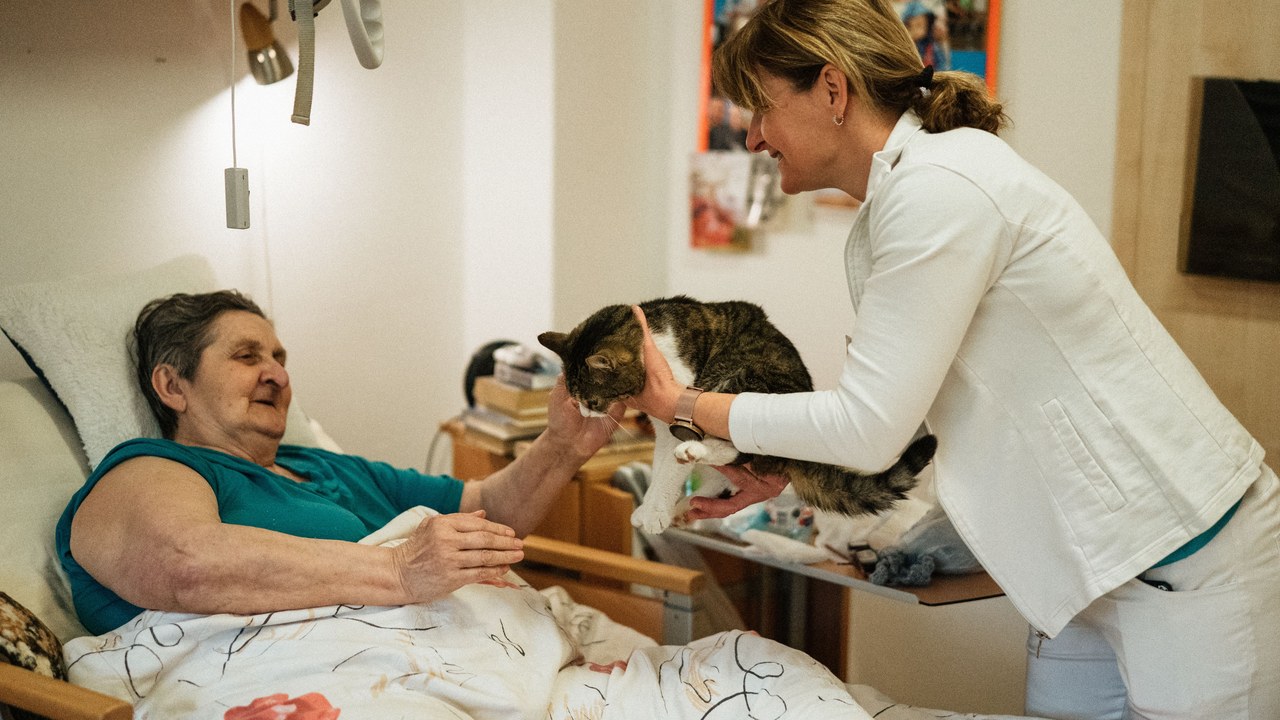
Surviving spouses who receive Dependency and Indemnity Compensation, known as DIC, from the Department of Veterans Affairs get a higher monthly payment when a disability keeps them from leaving home. The extra amount is $197.22 a month, added on top of the basic DIC rate.
The Department of Veterans Affairs lists the housebound add-on at $197.22 in its current survivor rate table, with a basic monthly rate of $1,699.36. Those rates took effect December 1, 2025, and they stay in place until VA applies its next cost-of-living adjustment.
What the housebound add-on adds to a DIC check
For a surviving spouse, the starting point is the basic rate of $1,699.36 a month. A spouse who cannot leave home because of a disability gets $197.22 more, which brings the monthly total to $1,896.58. Over a full year, the add-on comes to about $2,366.
For a widow or widower living on Social Security and a small pension, that is real money toward rent, prescriptions or a home aide. It is also an amount that goes unclaimed when nobody mentions it.
Anyone who already receives DIC and cannot leave home should compare the latest VA award letter against the rate table. A spouse whose letter shows only the basic rate, and who is housebound because of a disability, can ask VA whether the add-on belongs on the award, either directly or through an accredited representative.
Free retirement updates: Social Security and Medicare change every year, and nobody sends you a memo. The free Retirement Money Brief breaks down what changed and what to do.
We may earn a commission from links on this page.
Which other add-ons VA lists for survivors
The same rate table shows several other amounts that raise a survivor’s check. Survivors who need help with regular daily activities, the category VA calls aid and attendance, are listed at an extra $421.00 a month. Each dependent child under 18 adds $421.00 as well, according to the Federal Register rate notice.
Two more add-ons depend on the veteran’s record and the family. VA lists an extra $360.85 when the veteran was rated totally disabled for at least eight years before death and the couple was married throughout that time. A surviving spouse with a child under 18 also gets a transitional benefit of $359.00 a month for the first two years after the veteran’s death.
Who gets DIC in the first place
VA says a surviving spouse may be eligible if the spouse lived with the veteran until death, or was separated without being at fault. The marriage also has to meet a test: it began within 15 years of the veteran’s discharge from the period of service when the illness or injury started or got worse, or it lasted at least one year, or the couple had a child together, according to VA’s DIC page.
The veteran’s record matters too. The claim has to show that the veteran died on active duty or from a service-connected illness or injury, or was rated totally disabled from a service-connected condition for a required period, such as 10 years before death.
Remarriage does not always end DIC. A surviving spouse who remarried on or after December 16, 2003 at age 57 or older can still receive it, and so can one who remarried on or after January 5, 2021 at age 55 or older.
How to apply, and where a VA pension fits in
New DIC claims use VA Form 21P-534EZ, the application for DIC, survivors pension and accrued benefits. It can be uploaded online with QuickSubmit, mailed to the Pension Intake Center in Janesville, Wisconsin, or handed in at a VA regional office. Filing an intent to file first can protect the start date, which may allow retroactive payments while the family gathers records. Spouses of a service member who died on active duty use VA Form 21P-534a instead, and a casualty assistance officer helps with that one.
Anyone who prefers paper can mail the form to the Department of Veterans Affairs, Pension Intake Center, PO Box 5365, Janesville, WI 53547-5365. VA also lists accredited attorneys, claims agents and veterans service organization representatives as people who can help prepare a claim.
VA also runs a separate set of housebound and aid and attendance payments for people who receive a VA pension. VA’s pension page says those amounts are added to a monthly VA pension, that Housebound means spending most of the time at home because of a permanent disability, and that Housebound and Aid and Attendance cannot be paid at the same time.
The two benefits are not the same program. DIC is tied to a veteran who died in service or from a service-connected illness or injury. The Survivors Pension is tied to wartime service and to income and net worth limits set by Congress, and a surviving spouse generally must not have remarried.
A homebound survivor can end up sorting through both sets of rules. The questions that tend to come up are whether DIC is paying every amount listed in the rate table, whether a limited income opens the pension side, and which form carries each request.
Homebound and widowed, with more than one VA benefit to sort out?
A survivor who cannot leave home often has two VA questions at once: whether DIC is paying the full amount, and whether a separate VA pension with Aid & Attendance or Housebound is in play for a widow or widower with limited income. Those are different benefits with different rules, and a missed detail on one form can leave months of payments off the table.
The Veterans Benefits Action Kit covers the pension side of that picture. It lays out the three VA pension levels including Aid & Attendance, and how to file for free (VA Form 21P-527EZ). Its Part 2 is devoted to Aid & Attendance and Housebound, and it includes a claim tracker for keeping dates and paperwork in one place.
See the VA pension levels and Housebound checklist in the Veterans Benefits Action Kit →
More Financial Reading
- 21 Ways to Stretch a $2,087 Social Security Check
- 15 Places to Find Your Share of the $4.25 Billion States Give Back
- 15 Ways Retirees Are Tapping a Record $14.9 Trillion in Home Equity
This article was produced with AI assistance and edited for accuracy against the sources linked above.


