
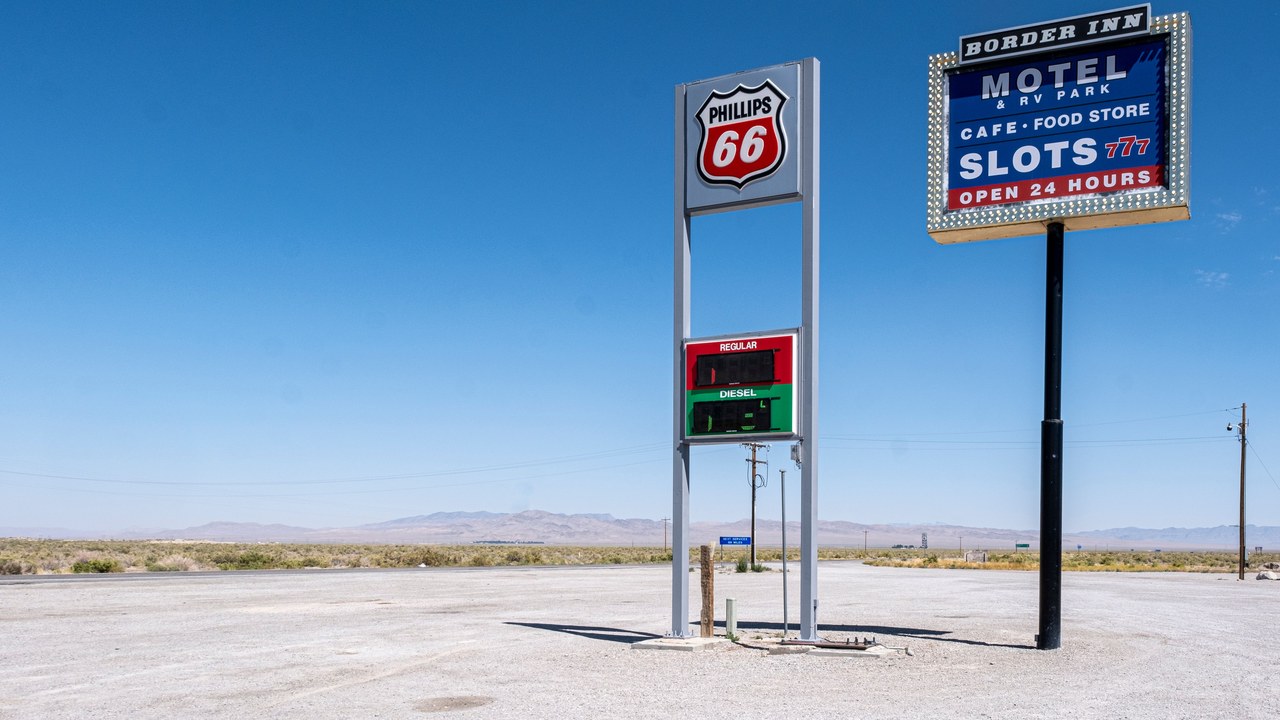
California drivers paid an average of $6.104 a gallon for regular gasoline and $8.091 for diesel in the U.S. Energy Information Administration’s weekly survey for October 12, which rounds to $6.10 and $8.09. EIA posted the figures on its gasoline and diesel fuel update on October 14. Both are well above the national averages in the same survey, $4.331 for regular and $6.179 for diesel.
What the October 12 survey shows
California regular fell 12.3 cents from the week before but remains $1.647 higher than a year earlier and $1.676 higher than two years ago. Diesel moved the other way, up 0.9 cent on the week, and sits $3.151 above its level a year earlier. Regular was $6.189 on September 28 and $6.227 on October 5 before the latest drop, so the state has been above $6 for all three weeks in EIA’s table.
The national average moved less. U.S. regular slipped 2.3 cents on the week and diesel slipped 2 cents. Over the past year, regular has risen $1.270 nationally and $1.647 in California, so the state’s increase is 37.7 cents a gallon larger. For diesel, the year’s rise is $2.514 nationally and $3.151 in California.
The gap with the rest of the country is wide. California regular is $1.773 a gallon above the U.S. average, and diesel is $1.912 above it. The West Coast outside California averages $5.071 for regular and $6.503 for diesel, so California is $1.033 above its neighbors on regular. EIA’s city rows put Los Angeles at $6.082 and San Francisco at $6.154.
What does $6.104 do to a household budget? A 12-gallon fill-up of regular costs $73.25 at California’s average and $51.97 at the U.S. average, a difference of $21.28. A household that buys 40 gallons of regular a month pays about $71 a month more than the national price would cost, and diesel buyers feel a bigger gap per gallon.
The next date in this story is October 20, when EIA posts its next weekly survey of California pump prices.
Get the next update the morning it lands →
What sits inside a gallon of gasoline
EIA’s explainer on gasoline prices breaks the 2025 national retail price into four parts: crude oil at 51.4 percent, distribution and marketing at 17.8 percent, federal and state taxes at 16.6 percent, and refining costs and profits at 14.3 percent. Those are national shares at an average price of $3.10 a gallon, not California’s split at $6.10. The federal gasoline tax is 18.40 cents a gallon, and state taxes and fees averaged 33.55 cents a gallon nationwide as of January 2026.
The explainer also names the usual reasons prices differ from one region to the next. Refiners make different gasoline formulations to reduce air pollution, and costs vary by season and region. Retail prices reflect local conditions, a station’s location and marketing, its wages, rent and insurance, state and local fees, traffic patterns and the number of competitors nearby.
Diesel at $8.09
Diesel is the larger number in the survey. California’s $8.091 is $1.912 above the U.S. average of $6.179 and $1.588 above the $6.503 average for the rest of the West Coast. EIA says its diesel prices include all taxes. Delivery trucks and some work pickups run on diesel, which makes the pump price a business cost for plumbers, couriers and small haulers as well as a household one.
Stretching a household budget past the pump
EIA’s rows show that prices differ by city, and its explainer says competition and location move the price at individual stations. The seven-cent gap between Los Angeles and San Francisco in the survey is a reminder that a few blocks or a few exits can matter on a 12-gallon fill-up. Checking posted prices before filling up is the cheapest step a driver can take. EIA updates the survey every week, so a price that looks high one week can ease the next, as California regular did by 12.3 cents in the latest one.
When the pump takes a larger share of the month, the rest of the budget is where help exists. USAGov’s page on financial hardship lists help with food through SNAP and WIC, help with utility bills, emergency and rental housing assistance, Temporary Assistance for Needy Families and home repair programs. The page does not list fuel aid, but those programs take other bills off the same budget. Households can reach USAGov at 1-844-872-4681.
Before applying for any of them, gather recent pay stubs or benefit letters, the latest utility and rent statements, and identification for everyone in the household, since each program asks for income proof.
More Financial Reading
- 24 Ways to Stretch a $2,087 Social Security Check
- 17 Places to Find Your Share of the $4.25 Billion States Give Back
- 18 Ways Out of 22% Credit Card Interest
This article was produced with AI assistance and edited for accuracy against the sources linked above.


