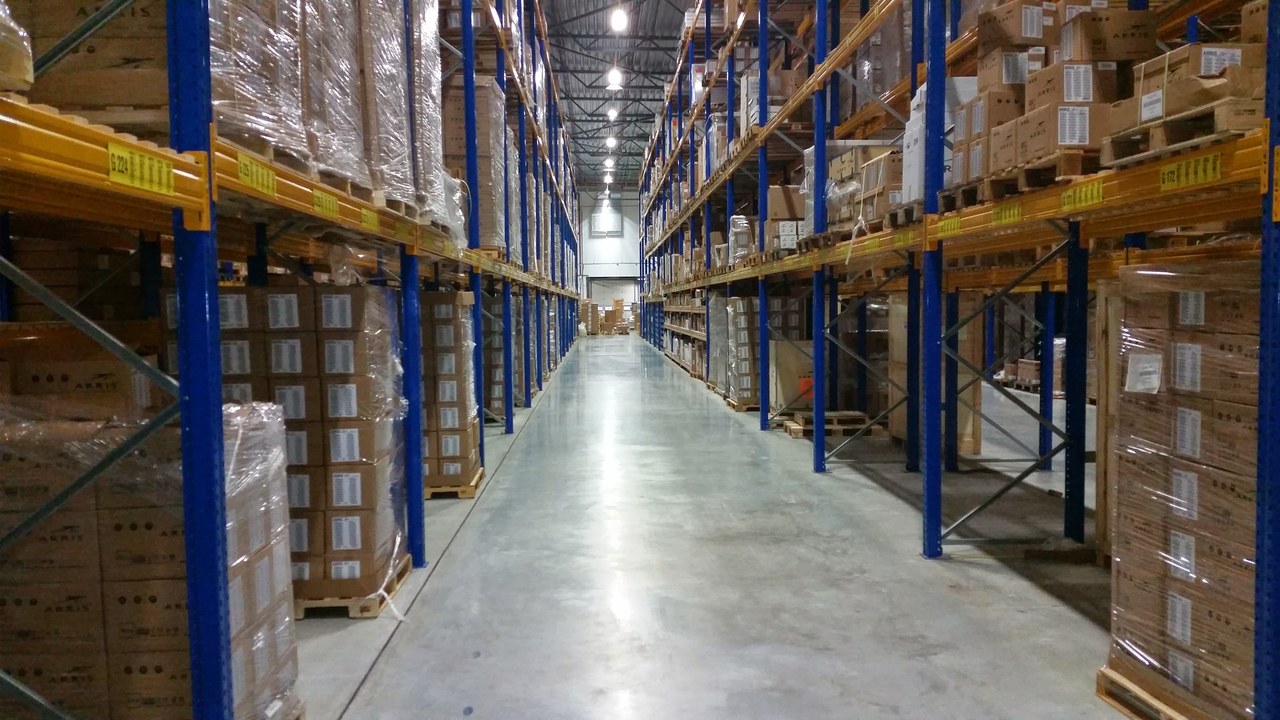
Birchstone Management, a warehousing and logistics management company based in Dallas, agreed to pay $55,000 to one woman the U.S. Equal Employment Opportunity Commission says was turned away from a pallet repairer job in Spokane Valley, Washington. The payment is part of a $500,000 settlement announced October 6, 2026, with the other $445,000 going to a class settlement fund.
The agreement resolves a sex discrimination charge without a lawsuit. The EEOC says it came out of the agency’s pre-litigation conciliation process, so no court has ruled on the conduct described in it.
Turned down for a job: the charge route
For a job seeker who believes a rejection was unfair, this case traces the path that leads to a payment like the $55,000. The first step is a charge with the EEOC, and the clock is short. The agency’s time-limits page says a charge must be filed within 180 calendar days of the day the discrimination took place, and that the deadline extends to 300 days when a state or local agency enforces a law prohibiting employment discrimination on the same basis. For age discrimination, only a state law and a state enforcing agency extend it.
The EEOC’s filing page describes the process: log into the EEOC Public Portal, submit an inquiry and schedule an intake interview, after which the charge can be completed through the Portal. The agency must notify the employer that a charge has been filed.
Under the agreement, Birchstone reports to the EEOC for two years, and the fund for women not hired between May 15, 2020 and July 31, 2025 runs through a claims administrator.
Get the next update the morning it lands →
What the EEOC says Birchstone did
The agency alleges that the company turned away a qualified woman seeking a pallet repairer job at its Spokane Valley facility solely because of her sex. It also alleges that, since at least May 2020, the company rejected other qualified female applicants at its sites, hired men with similar or fewer qualifications, or kept looking for non-female applicants, and that it failed to keep employment records the law requires. The EEOC says that conduct would violate Title VII of the Civil Rights Act of 1964.
The sites named in the release are Spokane Valley and Lakewood in Washington, Amarillo and Houston in Texas, and Las Vegas, Nevada. Birchstone reached the settlement after the EEOC’s investigation and the conciliation process.
The woman who filed the charge is quoted in the release: “I showed up ready to demonstrate my ability to do the job, only to be told that the company only hires men.” She added a hope that the case will help employers stop labeling jobs by sex.
Where the $500,000 goes
The $55,000 goes to the applicant who filed the charge. The remaining $445,000 goes to a class settlement fund for women who were denied hire based on sex, and the settlement provides back pay and compensatory damages to those women. The release does not say how many women are in the class, so no per-person figure for the fund can be drawn from it.
Eligible claimants are women who were not hired for pallet repairer positions because of their sex between May 15, 2020 and July 31, 2025, at the listed locations. Claims go through a claims administrator at [email protected] or (877) 788-4952, and questions to the EEOC about the settlement can go to [email protected].
What Birchstone agreed to change
Beyond the money, the settlement sets conditions on how the company hires. Birchstone agreed to appoint a qualified human resources professional to revise its hiring and recruitment policies, to train all personnel involved in hiring at the Amarillo, Houston and Lakewood locations, to post a notice about equal employment opportunity rights, to audit its recordkeeping practices every year and to report to the EEOC for two years.
Christopher Green, director of the EEOC’s San Francisco District Office, said in the release: “We are glad to see Birchstone take these steps to ensure compliance with Title VII.” The San Francisco District covers Northern Nevada, Northern California, Washington, Alaska, Oregon, Idaho and Montana.
Agreed to pay, not ordered to pay
The wording of the outcome matters. The EEOC describes a conciliation agreement, in which a company agrees to terms after an investigation, and not a court judgment. The allegations are the agency’s, and the company’s side is not described in the release. The $55,000 and the $445,000 are amounts the parties agreed to, and the dollar figures are the settlement’s terms.
Filing a charge over a rejected application
The free official route is the EEOC’s charge filing page, which sends people to the EEOC Public Portal to submit an inquiry and schedule an intake interview. The agency’s general line is 1-800-669-4000, and callers who are deaf or hard of hearing can use 1-800-669-6820 (TTY) or 1-844-234-5122 (ASL video phone). If 60 days or fewer remain, the portal gives special directions for filing quickly.
Before the interview, a job seeker can gather the posting, the date of the application, any message that turned the application down, the names of people involved and a note of what was said. The 180-day clock generally starts on the day the discrimination occurred, and each separate act generally has its own deadline.
The EEOC may dismiss a charge without further investigation if the laws do not apply or the charge is untimely, and it notifies the person of legal rights when it does. The Birchstone figures, $500,000 in total with $55,000 to the applicant who filed, come from the EEOC’s October 6, 2026 release.
More Financial Reading
- 24 Ways to Stretch a $2,087 Social Security Check
- 17 Places to Find Your Share of the $4.25 Billion States Give Back
- 17 Ways Retirees Are Tapping a Record $14.9 Trillion in Home Equity
This article was produced with AI assistance and edited for accuracy against the sources linked above.