
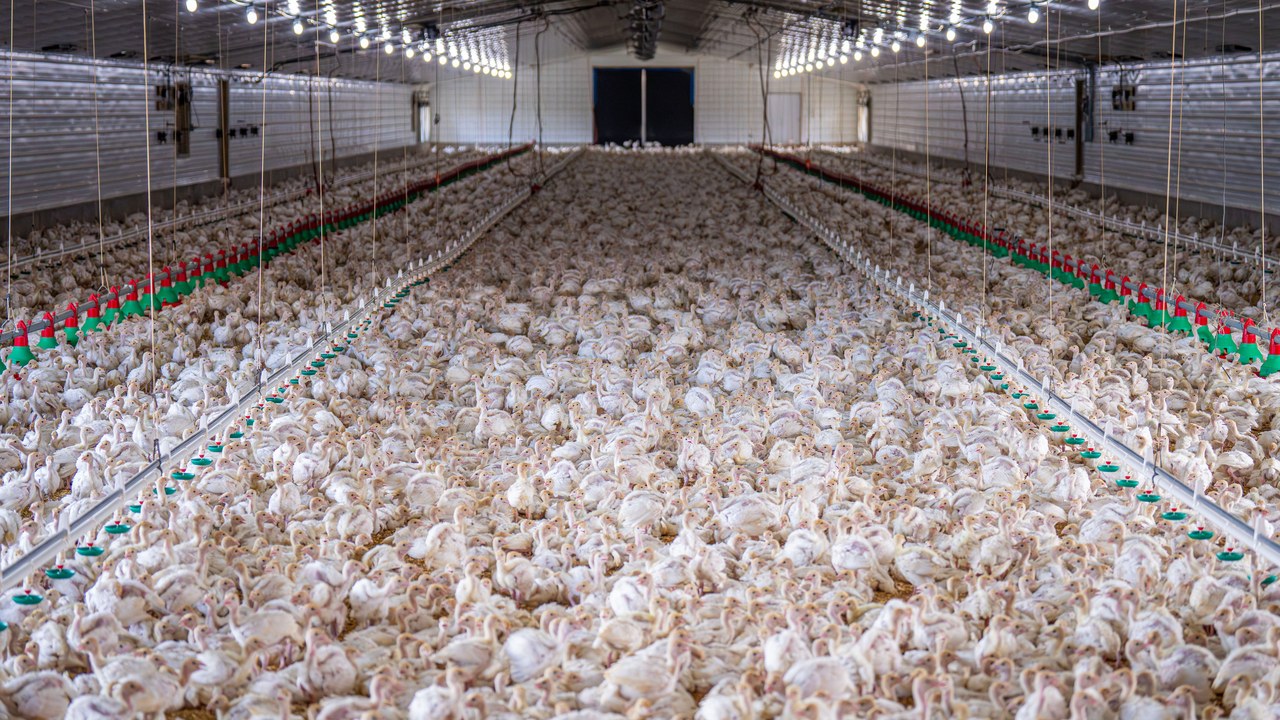
Alabama farmers who run poultry houses, greenhouses or pivot irrigation can stop paying the state’s utility gross receipts tax on the electricity or natural gas those operations use. The break started Sept. 1, 2026 and ends Aug. 31, 2029. It is not automatic, though. A farm has to get a state certificate and hand it to the utility.
What the new law covers
The Alabama Department of Revenue posted a notice on new utility tax exemptions on Sept. 24, 2026. It says Act 2026-595 makes “the furnishing of natural gas or electricity” exempt from the Utility Gross Receipts Tax when the power is used as fuel or energy in four kinds of operations: commercial aquaculture aeration systems, commercial greenhouses, pivot irrigation systems and poultry houses.
The department’s notice does not state the tax rate, so what a farm saves depends on its bill. The more power a barn, greenhouse or irrigation rig uses, the more power stops being taxed.
The law that created the change is Senate Bill 159. The Senate-passed text amends two sections of the state tax code, 40-21-83 for the gross receipts tax and 40-21-103 for the related utility service use tax. Bloomberg Tax reported that poultry houses were already covered and that the new law adds aquaculture aeration, greenhouses and pivot irrigation.
Who counts
Irrigation is limited to pivot systems, the rotating sprinklers that sweep a circle across a field. A farm that waters with drip lines or other equipment is not named in the notice.
Hemp and cannabis growers are shut out. The notice says the exemption does not cover natural gas or electricity used as fuel or energy in producing industrial hemp or cannabis.
For an Alabama farm, the question is how to claim it. The first step is the state’s exemption certificate, then the farm’s electric or gas company.
The exemption runs only from Sept. 1, 2026 through Aug. 31, 2029, so every month a farm waits to file the certificate with its utility is a month of tax on power it may not have to pay.
Get the deadline alerts before they pass →
How to claim it
Farms start with Form STE-3, the Utility Tax Certificate of Exemption, which the Department of Revenue issues. According to the notice, the farm then gives the certificate to its electric or natural gas provider. The department offers a PDF application, and an electronic application is available through MyAlabamaTaxes under “Register a Business/Obtain a New Tax Account Number” in the Businesses section.
One quirk shows up in the notice itself. The PDF linked on the page is named “ST-EX-A3 (4-26),” while the text calls the certificate Form STE-3. Farms that reach the application through the department’s page can follow the link as posted.
The metering rule
A farm cannot apply the exemption to a mixed bill. The department says that if one utility account serves both exempt and non-exempt uses, it requires separate metering. A poultry operation that runs its houses and a shop or office on one meter, for example, would need the exempt equipment on its own meter before the utility can treat that power as exempt.
That makes the practical order of work matter. A farm first needs to see how its meters are laid out, then arrange any change with the utility, and then submit the certificate for the account that serves only the exempt use.
Why it ends in 2029
The law repeals the new language effective Aug. 31, 2029. After that date, any farm using power in these four ways goes back to the ordinary rules. Anyone planning a larger investment in greenhouses or irrigation can count the exemption through the end of August 2029 and no longer.
Poultry growers were already covered before this law, according to Bloomberg Tax, so for them the new law extends an existing break through 2029. Greenhouse, aquaculture and pivot-irrigation operators are the newly covered groups, and they are the ones most likely to be filing a certificate for the first time.
Getting the certificate to the utility
The department’s Sales and Use Tax Division handles questions about the notice. The notice lists Vince Arnold, tax administration manager for the division, at 334-353-9680. The department’s main site, revenue.alabama.gov, carries the application and the full notice.
It helps to gather the account numbers for each electric or gas account serving a poultry house, greenhouse or irrigation system, and a note of which meters serve mixed uses. Once the utility has the certificate on file, the next bill should show whether the tax came off, and the farm can ask the utility to correct it if not.
The Department of Revenue’s notice remains the source for the covered uses and dates, and any change would show up there first.
More Financial Reading
- 24 Ways to Stretch a $2,087 Social Security Check
- 17 Places to Find Your Share of the $4.25 Billion States Give Back
- 16 Steps to Stop the Scams That Took $7.7 Billion From Seniors
This article was produced with AI assistance and edited for accuracy against the sources linked above.


