
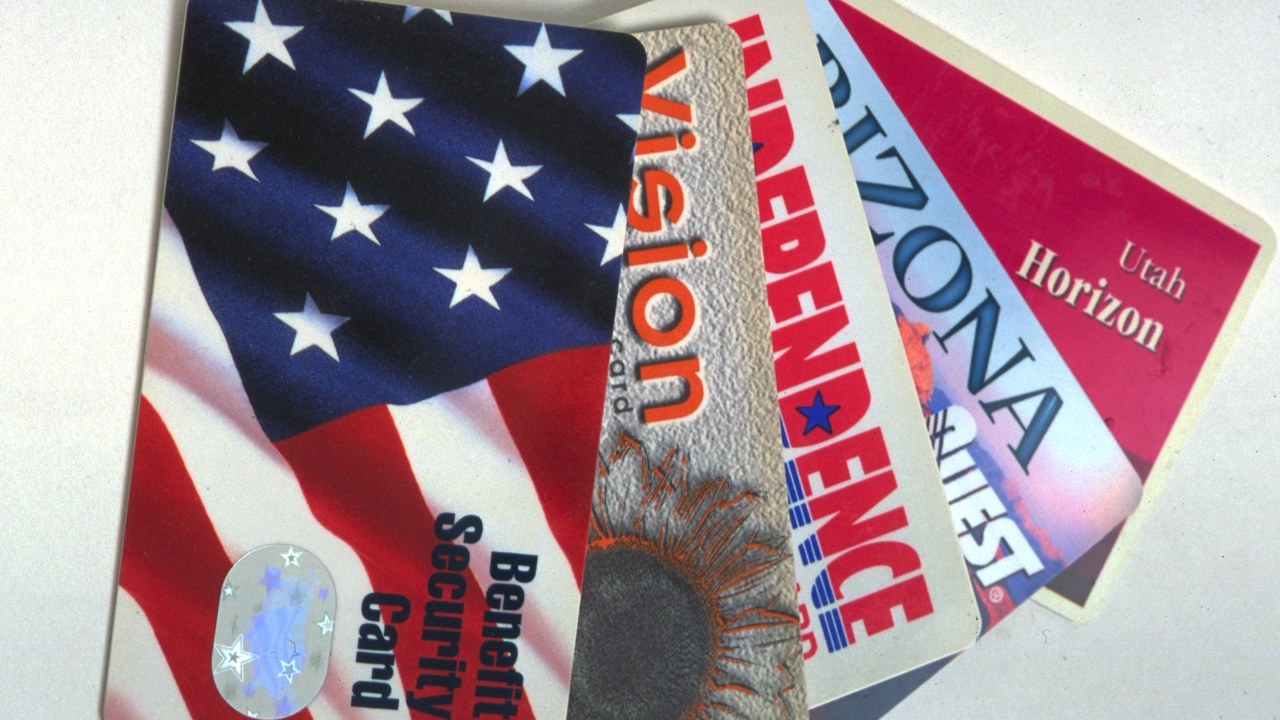
North Dakota’s SNAP card will stop covering candy, energy drinks and sweetened drinks on Nov. 1, two months later than planned. The state asked to move the start date from Sept. 1 at the direction of the federal government. The program it affects had just under 54,400 recipients in April.
What the limit covers
The state’s SNAP Healthy Choice Waiver page sorts the restricted items into three groups. Sweetened drinks are those with 5 grams or more of added sugar, any artificial sweetener, or less than 50 percent fruit or vegetable juice, and drink mixes are included. Energy drinks, shots and mixes are those with 65 milligrams or more of caffeine per 8 ounces, or stimulants such as guarana or taurine. Candy covers products marketed as candy, such as gummies, taffy and candy bars, plus certain chocolate-dipped or coated items.
The page lists soda, sweetened tea and lemonade, sports and electrolyte drinks and powdered electrolyte drinks among the examples that will not be allowed. The rule reaches artificially sweetened drinks too, which means diet soda is not exempt in North Dakota the way it is in some other states.
What stays allowed
Milk and milk substitutes, 100 percent juice, unsweetened drinks, tea with no added sugar, seltzer with no sweeteners and baby formula are still allowed. So are protein, granola and cereal bars, and baking ingredients such as sugar, honey and flour. North Dakota’s Department of Health and Human Services puts it this way: “This waiver does not limit the purchase of any foods under SNAP benefits” outside the restricted groups.
A shopper who reaches the register with a restricted item can still buy it. The item just has to be paid for another way, such as cash, a debit card or a credit card.
The question for a North Dakota household is whether the Nov. 1 rule reaches the card in the wallet. It does for anyone who uses SNAP at a North Dakota store, including shoppers from other states, and for online orders delivered to a North Dakota address. The state says out-of-state SNAP participants shopping at North Dakota retailers “must follow North Dakota rules,” and that the store must block disallowed items on delivery orders.
The Nov. 1 limit lands on a program with about 54,400 North Dakota recipients, and each household still has its own renewal and reporting dates to meet. The SNAP & Medicaid Renewal Organizer includes a state pack, one of 51, and a renewal and reporting calendar for keeping those dates straight.
Get the North Dakota pack and renewal calendar in The SNAP & Medicaid Renewal Organizer →
Why the date moved
North Dakota had planned to start on Sept. 1. North Dakota Monitor reported in late August that the state moved the date to Nov. 1 and that retailers also get a three-month grace period. The health department’s page says the postponement came “in collaboration with and at the direction of” the U.S. Food and Nutrition Administration.
Rebecca Askins of the health department said in the report: “This pause provides an opportunity for our federal partners and retailers to continue to prepare.” North Dakota’s waiver was approved in December 2025.
The reason traces back to a federal court. On June 22, a judge in Washington vacated USDA’s approval of similar waivers in other states, in the case Aragon v. Rollins. Newsweek reported that the ruling did not directly affect North Dakota’s waiver, but that USDA asked North Dakota and South Carolina to wait while it reviews the decision and gathers public comment on a Federal Register notice.
USDA’s waiver list, updated Oct. 2, shows North Dakota with a Nov. 1, 2026 target date and no court order or stop notice. The same list shows Montana, Ohio, South Carolina and Virginia starting on the same day.
Size and cost
North Dakota Monitor reported that just under 54,400 North Dakotans were enrolled in SNAP in April, and that about 600 stores take the card. The health department planned to spend $3.5 million to $4 million on implementation and enforcement, according to that report. It was not clear from the coverage whether the delay changes that estimate.
The state has not published anything beyond the Nov. 1 date, and nothing in the coverage shows a further delay.
Before the first of November
The state’s page carries flowcharts for energy drinks, sweetened drinks and candy, which are the quickest way to check a product before the trip. Store signs vary, so a shopper may need to ask staff or read the label for added sugar. Questions can go to the health department at (701) 328-2310, or through Relay North Dakota at 711.
It helps to treat the change as a shopping-list issue. Items that will not go on the card still need another way to pay, and households that buy a lot of soda or snacks can plan for that part of the grocery bill.
Renewal dates are separate from the purchase limits. A recertification deadline or a required change report counts the same on Nov. 1 as it did on Oct. 31, so those dates are worth writing down at the same time.
Nov. 1 changes the checkout, not the renewal dates
A North Dakota household that tracks the new candy and drink limits but misses a recertification date can lose benefits that matter far more than a snack. The SNAP & Medicaid Renewal Organizer lays out a renewal and reporting calendar, with a state pack for North Dakota among its 51.
Build the North Dakota renewal calendar with the Renewal Organizer →
This article was produced with AI assistance and edited for accuracy against the sources linked above.


