
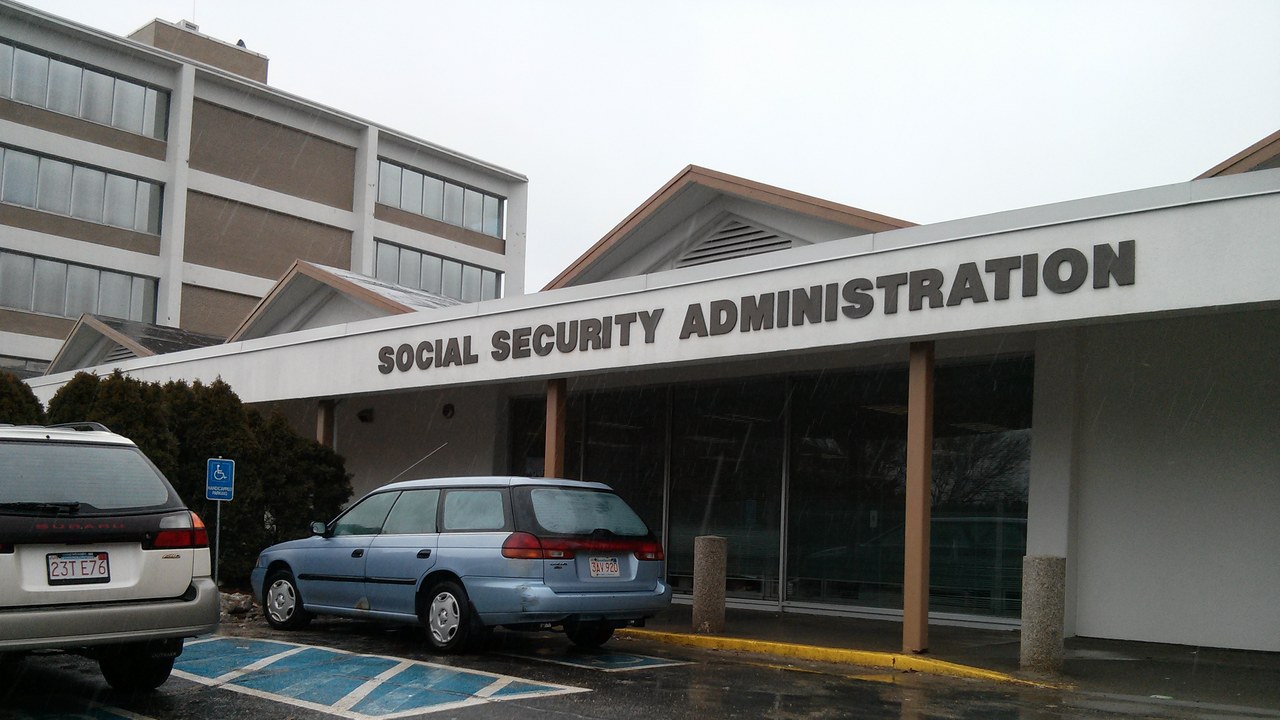
The Social Security Administration misvalued vehicles in 24 of 48 sampled cases where Supplemental Security Income recipients reported owning more than one, according to an audit by the agency’s inspector general. The report, dated Sept. 15, 2026, also found that auditors suspected 54 of 208 sampled recipients owned vehicles they never reported. SSI is the monthly benefit for people with limited income and resources who are 65 or older, blind or disabled, and cars matter because they can count against its savings limits.
What the inspector general found
The audit, titled Supplemental Security Income Recipients’ Vehicle Ownership, set out to learn whether recipients reported their vehicles accurately and whether Social Security valued the vehicles properly when a recipient reported more than one. Auditors reviewed 208 recipients across three groups: 100 who reported no vehicle, 60 who reported one, and 48 who reported at least two.
In the first test, 54 of the 208, or 26 percent, appeared to own vehicles that were not reported. In the second, 24 of the 48 multi-vehicle cases involved vehicles that agency employees did not properly value. The auditors estimated the agency overpaid about 660 recipients roughly $435,000 because of inaccurate vehicle reporting. The report’s appendix puts the projection at $434,971.
How a second vehicle is treated
The rule is the reason the findings matter. Social Security’s 2026 guide to SSI resources says the limit for countable resources is $2,000 for an individual and $3,000 for a couple. One vehicle does not count against it: “One vehicle, regardless of value, if you or a member of your household use it for transportation.”
The inspector general reads that the same way. The agency “does not count one vehicle per household as a resource, regardless of value,” and additional vehicles are generally treated as countable resources. When someone reports several vehicles, policy tells employees to check each one’s fair market value and exclude the vehicle with the highest equity value. The audit found employees did not properly value the vehicles in half of the multi-vehicle cases it sampled.
Anyone on SSI with two cars, a car and a truck, or a vehicle that sits in the driveway unused has to ask whether the second one pushes countable resources past the limit.
For an SSI recipient with a second vehicle, the $2,000 resource limit for individuals and $3,000 for couples is the line that decides the next check. The SSI & Disability Action Kit covers the 2026 SSI income and resource limits, review and reporting steps and an income and resource organizer.
Check a second vehicle against the 2026 SSI limits with the SSI & Disability Action Kit →
What else the resource limit counts
The same resources guide lists what stays outside the $2,000. The home a person lives in and the land under it do not count. Burial spaces for the recipient or immediate family are excluded, and so are burial funds of $1,500 or less for the recipient and a spouse. Funds up to $100,000 in an ABLE account, which must be set up through a state ABLE program, are also left out.
The benefit itself is modest. The 2026 federal maximum is $994 a month for an individual and $1,491 for a couple, so a resource problem can put a payment of that size at risk. The audit’s overpayment estimate ties wrong vehicle reporting to money paid out in error.
The cases the sample could not say
The memo is by Michelle L. Anderson, assistant inspector general for audit, and addressed to Commissioner Frank Bisignano. It makes no formal recommendations. The audit says the agency did not give formal comments on the draft, though it did send technical comments that were folded in.
The numbers describe samples, not every SSI recipient. The 24 of 48 figure covers the 48 recipients in the audit who reported at least two vehicles at once. The 54 of 208 figure is about appearances: those recipients “appeared” to own vehicles that were not reported. The audit does not say each of those recipients actually broke the rules or that each one lost benefits.
It does say the projected overpayment was about 660 recipients and about $435,000. The report makes no recommendations for corrective action and leaves it to agency management to decide whether stronger controls are worth the cost.
Reporting a second vehicle
The free route is Social Security itself. The 2026 resources guide explains what counts, and a local Social Security office can say how a particular vehicle is handled. Before talking to the agency, it helps to gather the details that decide the question: each vehicle’s make, year and condition, who uses it for transportation, its fair market value and what is still owed on it.
Those details line up with the steps the inspector general described. The vehicle with the highest equity is the one that should be excluded, and the others are weighed against the $2,000 or $3,000 limit with the rest of the person’s savings. A recipient who keeps the numbers written down can check the agency’s math if a notice arrives.
The audit is public, and the full text is on the inspector general’s site for anyone who wants to read how the sample was drawn.
A second car and a $2,000 limit
The inspector general found Social Security got the vehicle valuation wrong in 24 of 48 sampled multi-vehicle cases, so a recipient’s own paperwork is the safeguard. The SSI & Disability Action Kit lays out the 2026 SSI income and resource limits, review and reporting steps and an income and resource organizer, in 74 pages.
Get the resource organizer and reporting steps in the SSI & Disability Action Kit →
This article was produced with AI assistance and edited for accuracy against the sources linked above.


