
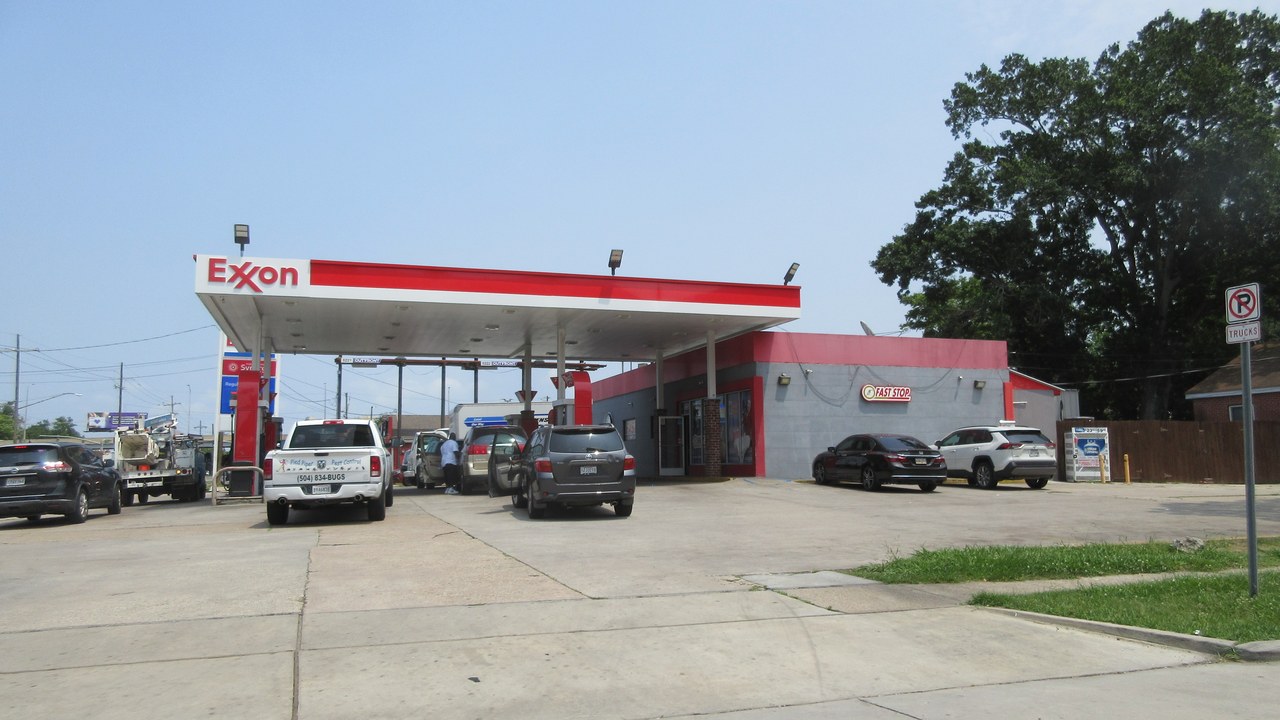
Regular gasoline averaged $4.37 a gallon across the country on Friday, Oct. 9, and diesel averaged $6.28, according to AAA’s daily fuel survey. The exact readings were $4.3718 for regular and $6.2785 for diesel. Both are far above where they stood a year ago.
The daily readings in one place
AAA lists its national averages for several dates, and they show a price that is easing a little this week but still well above last month.
- Regular, Oct. 9: $4.3718. Diesel: $6.2785.
- Regular, Oct. 8: $4.3612. Diesel: $6.2847.
- Regular, a week earlier: $4.3961. Diesel: $6.3726.
- Regular, a month earlier: $4.2245. Diesel: $5.9424.
- Regular, a year earlier: $3.1106. Diesel: $3.6761.
Regular is down about 2.4 cents from a week ago but up about 14.7 cents from a month ago. Diesel is down about 9.4 cents on the week and up about 33.6 cents on the month. Between Oct. 8 and Oct. 9, regular rose a bit more than a penny while diesel slipped by a bit more than half a cent.
Compared with a year ago
The yearly gap is the one that shows up in a household budget. Regular is $1.26 a gallon higher than it was on Oct. 9, 2025, and diesel is $2.60 higher. On a 12-gallon fill-up that is $15.13 more than a year ago, which adds up to roughly $60 more over a month of weekly stops.
The government’s own weekly count tells the same story with slightly different numbers. The U.S. Energy Information Administration’s survey for the week of Oct. 5 put regular at $4.354, down 11.1 cents from the week before and up $1.230 from a year earlier, with on-highway diesel at $6.199, up $2.488 from a year earlier. The two groups gather their prices on different days and by different methods, which is why they differ by a few cents.
For anyone who drives a set number of miles to a doctor, a store or a relative each week, the question is what the higher price adds to a month’s spending and what to do about it.
A fill-up that cost $37.33 for 12 gallons of regular a year ago now costs $52.46, and the monthly difference lands on fixed incomes first. The Benefits Checklist covers 11 benefit programs and the 2026 income limits for help that frees up room in a household budget.
Match the fuel bill to 11 benefit programs in The Benefits Checklist →
Where prices run highest
The national number hides a wide spread. EIA’s Oct. 5 survey had the West Coast at $5.727 for regular and $7.229 for diesel, the highest of its regions. California alone was $6.227 for regular and $8.082 for diesel, and San Francisco topped the city list at $6.306. The Gulf Coast was the cheapest region for regular at $3.911, and the Lower Atlantic was lowest for diesel at $5.699.
A driver in Houston and a driver in San Francisco are therefore not living in the same price world, and an average of $4.37 can be a pleasant surprise in one place and an impossibility in another.
State tax breaks show up in the numbers
Two states have cut their fuel taxes in the past two weeks, and the weekly survey already shows it. Ohio’s state tax on gasoline dropped from 38.5 cents to nearly nothing on Oct. 4, and EIA’s Oct. 5 survey had Ohio’s average down 43.4 cents in a week, against 11.1 cents for the nation as a whole. Georgia suspended its 33.3-cent gasoline tax on Sept. 29, and the governor’s office says, citing AAA, that Georgia’s regular average is 51 cents below the national average.
Those breaks lower the bill for drivers in two states only. In the rest of the country the national average of $4.37 is what stations are charging, and the daily AAA reading is the quickest way to see whether it is moving up or down.
Working a fuel increase into the monthly plan
The first step is to find the household’s own number. A driver who fills a 12-gallon tank once a week can multiply the weekly fill-up by four or five, then compare it with last year’s $3.1106 national average. A household with two cars or a long commute will land well above the $15.13-a-tank gap.
Some changes cost nothing: filling up on the days the local average is lowest, combining errands into fewer trips, and watching AAA’s daily numbers instead of the sign on the corner.
The AAA site updates every day, and EIA posts its next weekly survey on Oct. 14. Comparing both against receipts from the past month gives a household a trustworthy picture of how much its fuel costs have risen.
Gas is $1.26 higher than last October
That extra $1.26 a gallon comes out of the same fixed income that pays for food, medicine and heat. The Benefits Checklist is an 84-page guide to 11 benefit programs, including the 2026 income limits and a 50-state phone directory, so help that must be applied for does not go unclaimed.
Get the benefits checklist of 11 programs for a higher fuel bill →
This article was produced with AI assistance and edited for accuracy against the sources linked above.


