
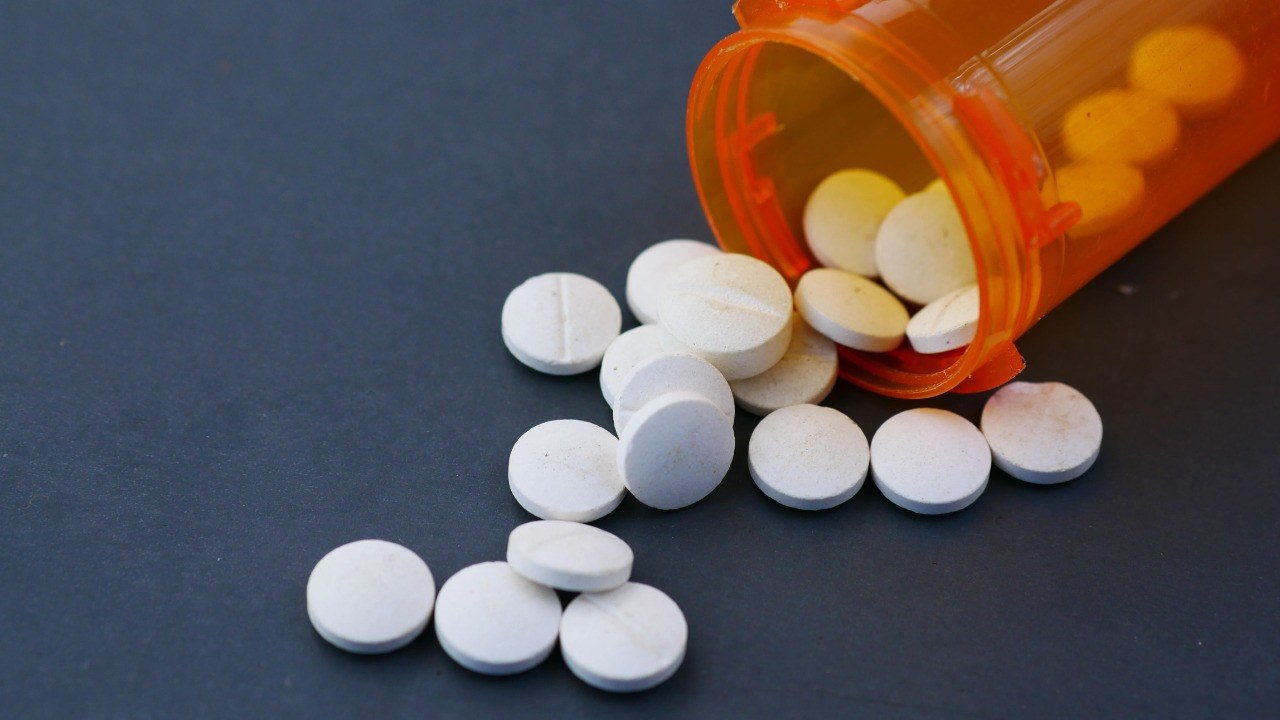
The White House says every state Medicaid program will pay no more than the most-favored-nation price for brand-name drugs from 26 drugmakers. President Trump announced the deals on Sept. 18, 2026, according to an official fact sheet. The sheet gives no date for when the lower prices begin.
What most-favored-nation pricing means
Under the agreements, the fact sheet says, manufacturers match the lowest prices paid by other developed countries. The White House calls that the most-favored-nation price, or MFN price. The deals run through a federal program called the GENEROUS Medicaid payment model, in which drugmakers send rebates to state Medicaid programs.
The rebates are meant “to ensure the final price to Medicaid does not exceed the MFN price,” in the fact sheet’s words. The sheet says the model covers hundreds of drugs across nearly every major drug class, including cancer, diabetes and asthma treatments, and that the agreements cover 89 percent of the branded drug market.
The fact sheet also says Medicaid programs have already received one million free prescriptions of Eliquis, a heart drug. It does not say which states got them or how the prescriptions were counted.
The 26 drugmakers
The White House lists these companies as having signed agreements: Pfizer, AstraZeneca, EMD Serono, Eli Lilly, Novo Nordisk, Amgen, Bristol Myers Squibb, Boehringer Ingelheim, Genentech, Gilead Sciences, GSK, Merck, Novartis, Sanofi, Johnson & Johnson, AbbVie, Regeneron, Alcon, Astellas Pharma, BeOne Medicines, BridgeBio, CSL, Kyowa Kirin, Sun Pharma, Teva Pharmaceuticals and UCB.
That is the White House’s list, and the fact sheet quotes no company or state official on the terms.
For people who get their health coverage through Medicaid, the question is whether anything changes at the pharmacy counter. The fact sheet’s benefits go to Medicaid programs, meaning the federal and state governments that pay the bills. It says nothing about copays, which drugs are covered or how prescriptions are filled.
The fact sheet gives no start date for the lower prices, so word on when state Medicaid programs begin paying them has to come from the states and the federal Medicaid agency.
Get the next update the morning it lands →
The $64.3 billion estimate
The administration’s figure for the payoff is $64.3 billion in lower Medicaid drug costs over the next decade, an estimate by the White House Council of Economic Advisers. The fact sheet splits it into about $36.6 billion for the federal government and $27.6 billion for state governments. The two pieces add up to $64.2 billion, so they do not match the total exactly.
Health policy researchers say the outcome is hard to predict. Newsweek reported that KFF, a health research group, points out the savings depend on which drugmakers and drugs take part, on existing rebate levels and on international prices that are kept confidential. Medicaid already gets deep discounts. KFF found rebates cut gross spending by an average of 53 percent from fiscal 2019 to fiscal 2024, so the gain could vary widely from one drug to the next.
How the model works for states
The GENEROUS model, announced by the Centers for Medicare & Medicaid Services in late 2025, is voluntary for both states and drugmakers, according to a legal analysis of the CMS announcement. Manufacturers sign a participation agreement with CMS and then offer standardized terms to states. States opt in by signing a state agreement and then a supplemental rebate agreement with each manufacturer.
The MFN price is based on average prices in eight countries: the United Kingdom, France, Germany, Italy, Canada, Japan, Denmark and Switzerland. The analysis says the model was set to run from Jan. 1, 2026 through Dec. 31, 2030. States choose which drugs to include, and they may attach coverage rules such as prior authorization, which means the state must approve a drug before it is covered.
Newsweek says the five-year model launched in January 2026 and that Trump’s September announcement was that all 50 states would take part. The fact sheet uses the future tense for the benefit and gives no date.
What the analysis says about patients
The legal analysis says CMS will evaluate the model for its effect on access to medicines, quality of care and costs. It does not say what those effects will be for the people enrolled in Medicaid. Newsweek likewise describes the benefits as going to programs and states and treats the savings as uncertain.
The separate TrumpRx claims
The same fact sheet also reports figures for TrumpRx.gov, the administration’s discount website. It says the site launched Feb. 5, 2026, and that patients have saved more than $700 million since then. It also says seniors without GLP-1 obesity drug coverage can get those drugs for $50 a month, and that 600,000 seniors saved $216 million in the first two months. Those are White House claims, and they concern a different program than Medicaid.
What Medicaid members can check
Nothing in the fact sheet asks a Medicaid member to do anything, so the practical step is to watch for changes at the plan level. A state’s preferred drug list, the list of medicines the program covers first, is where any shift in coverage would show up, and the state Medicaid office or the pharmacy can say whether a particular prescription is covered and what it costs.
People who take one of the brand-name drugs from the 26 companies may want to note the drug name and the state program that pays for it. If a prior authorization rule or a new copay appears, that record makes it easier to ask what changed and why.
The White House fact sheet remains the only published source for the 26-company list, the 50-state claim and the savings estimate, and the next details are expected to come from CMS and the states.
More Financial Reading
- 24 Ways to Stretch a $2,087 Social Security Check
- 17 Places to Find Your Share of the $4.25 Billion States Give Back
- 17 Ways Retirees Are Tapping a Record $14.9 Trillion in Home Equity
This article was produced with AI assistance and edited for accuracy against the sources linked above.


