
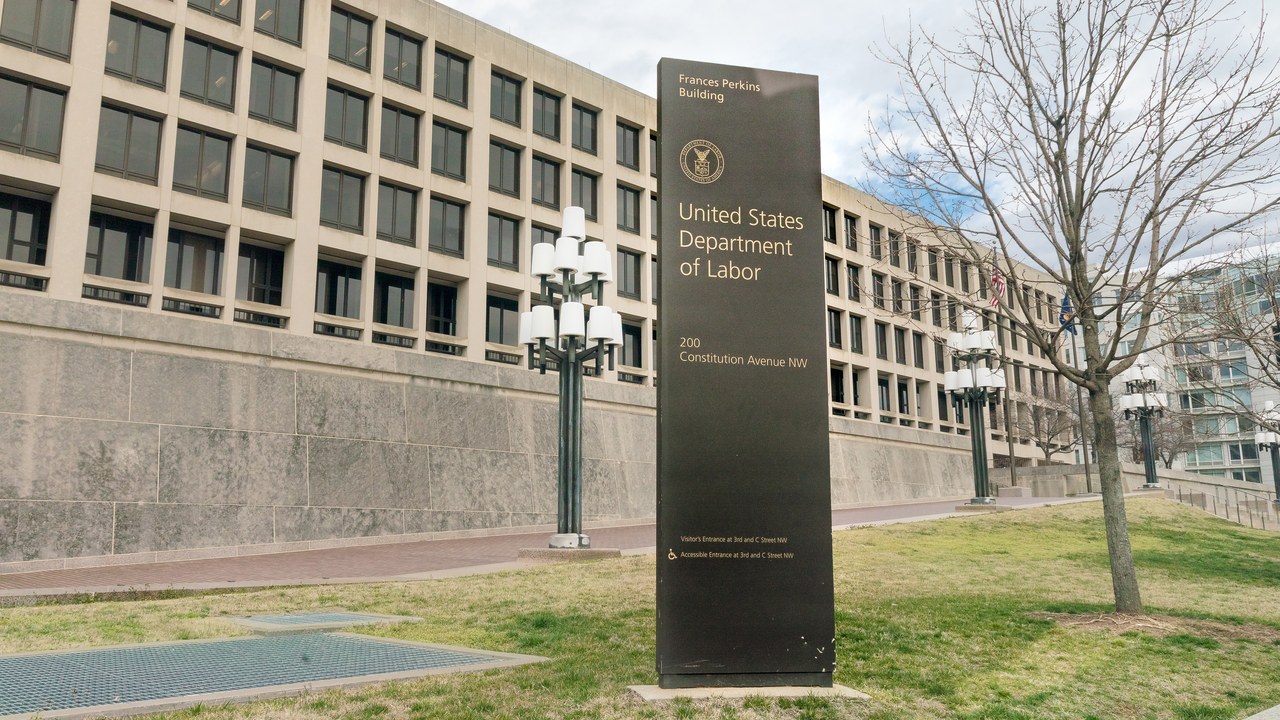
Starting November 16, state unemployment offices will have to hand over confidential jobless-claims records to federal officials who audit the program, instead of doing so only when they choose to. The Labor Department’s Employment and Training Administration issued the final rule in September. It says the change is meant to hold states accountable for finding and dealing with fraud.
What the rule requires
The rule, published in the Federal Register on September 16, changes Part 603 of the department’s regulations, which govern how states handle confidential unemployment compensation information. Until now a state agency was allowed to share that information with federal officials for oversight and audits. The new rule removes that permission and replaces it with a requirement.
The disclosures go to federal officials doing program oversight and audits, including the Labor Department’s Office of Inspector General. The department and the Government Accountability Office are covered as well. Any other federal official has to put a request in writing, say how the information will be used and how that serves unemployment oversight, and cite the legal authority for asking. Under a provision added in response to public comments, those officials must limit their use of the information to the uses stated in the request, unless federal law requires otherwise.
Whose records are affected
Every state unemployment agency is covered, and the department’s cost estimate counted 53 of them. The records are the same confidential claim information states already keep: details tied to people who filed for jobless benefits. The department declined to list specific data elements, saying the list varies with the audit or oversight activity.
The rule does not create new kinds of data to collect and does not add new uses for it. It also does not build a national database of claims. The department says it would have to issue a supplemental proposal first if it ever pursued one.
For people who have filed for unemployment, the rule leaves in place the protections and use limits that already apply. Federal officials who receive the data must follow the Privacy Act and security requirements, the department says, and access is limited to authorized personnel doing their jobs.
States have until September 16, 2027 to change their laws to match the rule, and the next steps come state by state.
Get the next update the morning it lands →
The fraud numbers behind it
The department points to two figures from its Inspector General. One is $45.6 billion in “potentially fraudulent” benefits paid in six high-risk areas. The word “potentially” matters: these are amounts flagged as possibly fraudulent, drawn from a 2022 alert memo, not confirmed fraud. The other is $191 billion, the Inspector General’s estimate of what may have been paid improperly during the pandemic, with a significant portion attributable to fraud. That estimate comes from a February 2023 statement to the House Ways and Means Committee and covers pandemic programs such as those created by the CARES Act.
For its legal footing, the department relies on a long-standing federal requirement that states use “methods of administration” reasonably calculated to run their programs properly. The section is 303(a)(1) of the Social Security Act. The department says it does not rely on Executive Order 14243.
Deadlines for states
Michelle E. Beebe, administrator of the department’s Office of Unemployment Insurance, is the contact named in the rule. The rule takes effect on November 16, 2026. States whose laws do not already allow the disclosures must amend them as quickly as possible, and no later than September 16, 2027. The department estimated a one-time cost of about $15,780 across the 53 agencies to read and understand the rule. It could not put a number on other costs because it lacked data, and the disclosures can be charged to a state’s unemployment administrative grant.
Objections the department answered
The department received 40 comments from state agencies, advocacy groups, unions, individuals and others. Commenters questioned the department’s legal authority, raised Tenth Amendment and Privacy Act concerns, pointed to the burden on states, and warned of data breach and privacy risks and of immigration-enforcement use. The department disagreed with most of the objections and said the rule codifies existing practice. It made two changes: the written-request requirement for other federal officials, and the plan for a separate proposal before any national database. It also refused requests to extend the 30-day comment period.
What claimants and former claimants can do now
Nothing in the rule asks a claimant to file anything or change a claim. The rule is aimed at state agencies, and the first practical effect is on how they respond when federal auditors ask for records.
Anyone with questions about how a particular state handles claim information can start with that state’s unemployment agency, since the state’s own confidentiality rules still apply alongside the federal rule. People who have filed for benefits can also keep their own records in order: the claim dates, the weekly payment amounts, and any letters from the agency. The department’s published rule lays out the changes and the comment responses in full.
Two dates are worth watching: November 16, when the federal requirement begins, and September 16, 2027, the last day for states that must rewrite their laws.
More Financial Reading
- 24 Ways to Stretch a $2,087 Social Security Check
- 17 Places to Find Your Share of the $4.25 Billion States Give Back
- 17 Ways Retirees Are Tapping a Record $14.9 Trillion in Home Equity
This article was produced with AI assistance and edited for accuracy against the sources linked above.


