
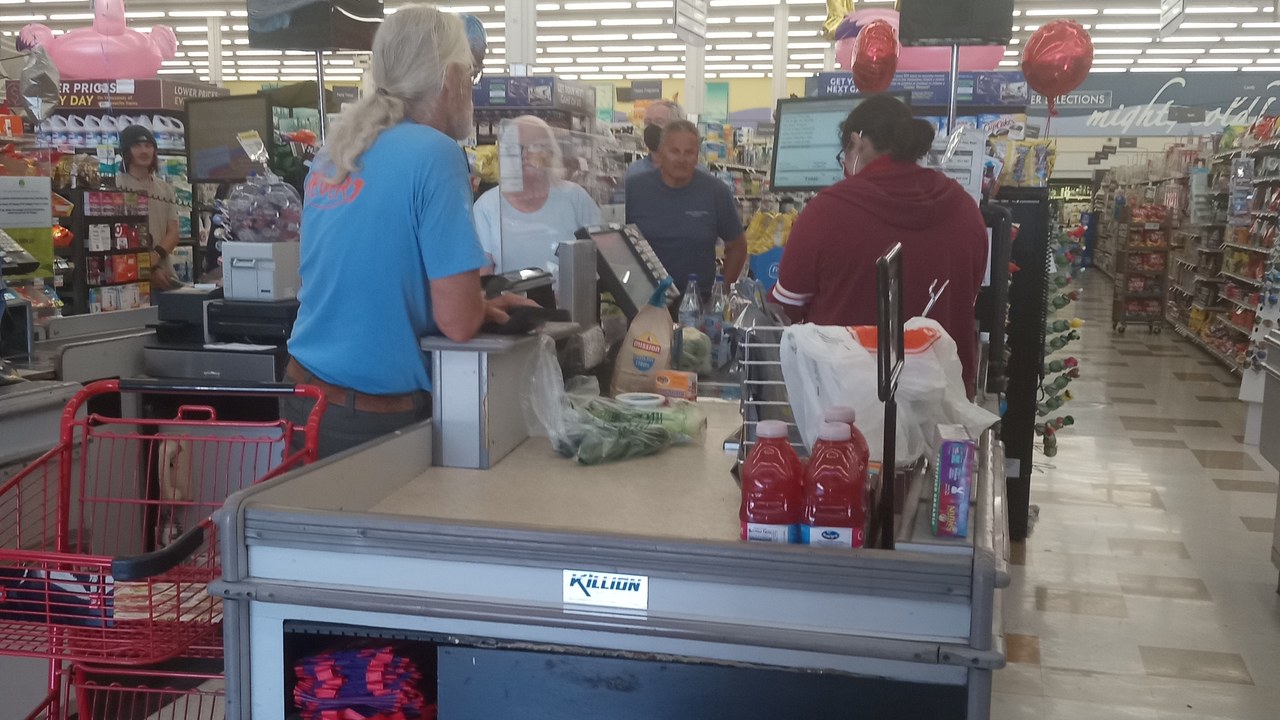
Food stamp benefits in Pennsylvania went up on October 1. Most recipients get an average of $18 more a month, and the smallest monthly benefit rose from $24 to $25. The state Department of Human Services announced the change on September 29, and said that no one’s benefit goes down because of it.
The annual SNAP adjustment
SNAP, the Supplemental Nutrition Assistance Program, is the formal name for food stamps. Each year the U.S. Department of Agriculture re-sets the income limits, the maximum benefits and the minimum benefit, and states pass the new numbers along. The Pennsylvania Department of Human Services calls it a routine, annual process. The new amounts run from October 1, 2026, through September 30, 2027.
SNAP helps more than 1.7 million Pennsylvanians, according to the department. “SNAP is the nation’s most important anti-hunger program,” Human Services Secretary Dr. Val Arkoosh said in the announcement, and she encouraged anyone who may need food help to apply.
The $18 is an average for most recipients, not a flat raise. How much a household gets depends on its size and its monthly income, so one household’s increase can be smaller or larger than $18.
Maximum benefits by household size
The department published the new maximum monthly benefit for each household size. A one-person household tops out at $306 a month. Two people top out at $562, three at $808 and four at $1,023. A household of five tops out at $1,217, six at $1,463, seven at $1,616 and eight at $1,841. Each person added after that raises the maximum by $225.
Gross monthly income limits moved too. They are set at 200 percent of the federal poverty guideline: $2,660 a month for one person and $3,608 for two, rising by $948 for each additional member.
The department says household size and monthly income are the main factors in a household’s allowance and eligibility. That is why the same October 1 adjustment lands differently from one kitchen table to the next, and why the amount on a household’s own notice is the figure that counts.
The $18 average is a statewide number, and each Pennsylvania household’s own amount still rides on its size, its income and the shelter costs on file. The SNAP & Medicaid Renewal Organizer comes with 51 state packs and a renewal and reporting calendar, so the next date for each household is written down in one place.
Put Pennsylvania SNAP renewal and reporting dates on a calendar with the Renewal Organizer →
Shelter and utility proof
A bigger benefit table does not help a household whose paperwork is missing. Since February 9, 2026, applicants and recipients in Pennsylvania must provide proof of their shelter costs and of who is responsible for the utilities at their current address. The proof is needed at application and at renewal if it is not already on file, and again after a move or a change in costs.
The department lists what it accepts. For shelter, that includes a rent or mortgage receipt, a lease, a HUD statement, a real estate tax bill, a fire insurance bill, or a statement from a person who shares the costs. For utilities, a utility bill, a letter from the utility company, a cancelled check for utilities, or a statement or receipt from a landlord will do.
Missing proof alone does not close a case or reject an application. But the department says benefits may be calculated without the shelter and utility deductions that were not verified, and that can lower the amount. Current recipients who have no such documents on file must provide them at the next renewal. The department also says benefits will not change without an official notice.
Work rules that still apply
The October increase sits alongside the work requirements that took effect November 1, 2025. The department says Pennsylvanians must meet them to keep SNAP unless they qualify for an exemption. The expanded rules apply to people aged 18 to 64 who have no dependent child under 14 and who are physically and mentally able to work. Veterans and current or former foster youth aged 18 to 24 are no longer exempt. The department attributes those changes to the federal law known as H.R. 1.
Details on exemptions are on the department’s work-requirements page at dhs.pa.gov/work, and a county office can explain how a particular household is affected.
Where to apply or ask about a case
Applications go through the state’s COMPASS system online or the myCOMPASS PA app. The department’s customer service centers take calls at 1-877-395-8930, or 215-560-7226 in Philadelphia, and county assistance offices help people who cannot use online services. The state SNAP page also lists a paper application that can be mailed or dropped off at a county office, and says a trusted friend, relative or community group can apply and shop on a person’s behalf.
Checking the new amount against the notice
The number that matters for each household is the one on its own notice, not the statewide average. Anyone on SNAP in Pennsylvania can compare the October amount with the September amount, and with the maximum for the household’s size listed above. If the change looks too small, the usual reasons are countable income or a shelter or utility cost that is not on file.
The free place to start is the Department of Human Services’ SNAP page, or the helpline listed there at 1-800-692-7462. Before calling, it helps to have the most recent notice, the latest lease or mortgage statement, and a recent utility bill within reach, since those are the documents the department says it asks for.
It is also worth writing down the next renewal date and any reporting deadline printed on the notice. The new amounts are set to run through September 30, 2027, and the next annual adjustment follows after that.
A larger SNAP amount, and the proof that can shrink it
The $25 minimum and the $18 average mean little on a card if shelter and utility proof is missing, because Pennsylvania says benefits may then be figured without those deductions. The SNAP & Medicaid Renewal Organizer holds a renewal and reporting calendar and 51 state packs, Pennsylvania’s among them, so the proof and the date stay together. It runs 20 pages.
Get the Pennsylvania pack and renewal calendar in the SNAP & Medicaid Renewal Organizer →
This article was produced with AI assistance and edited for accuracy against the sources linked above.


