
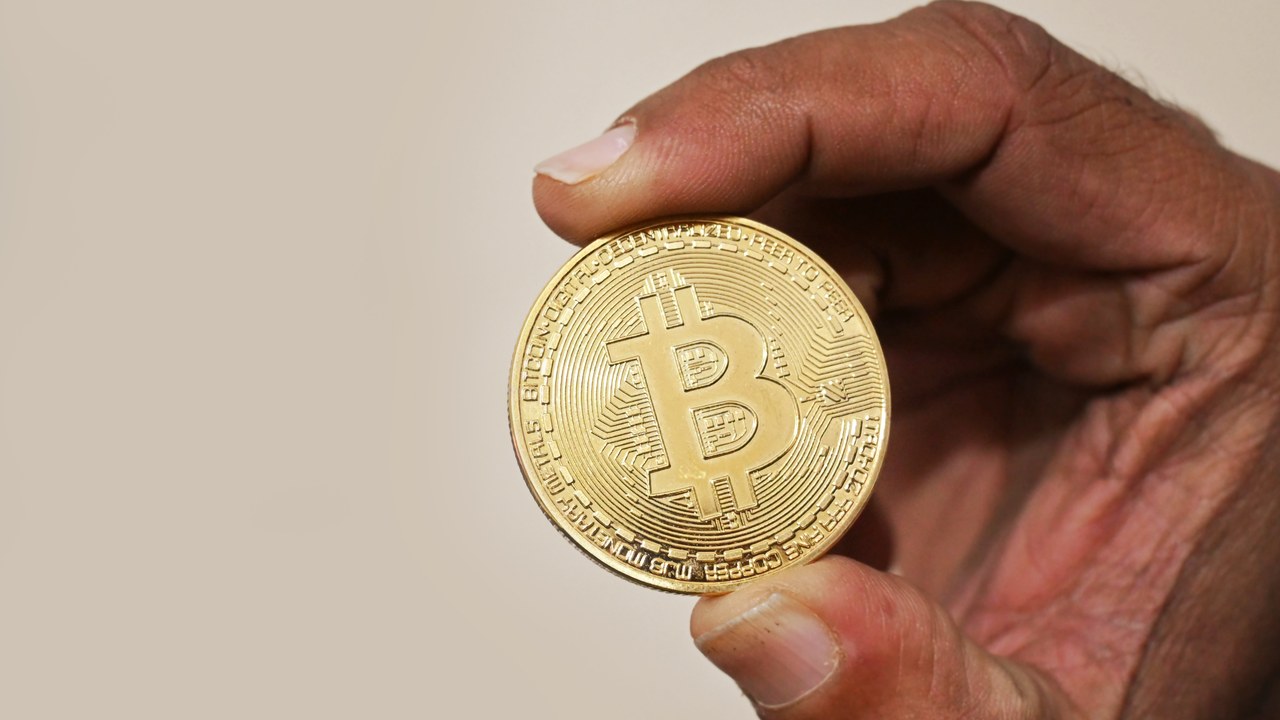
At its peak, the Kishu Inu cryptocurrency was worth more than $1.6 billion on paper. A federal indictment now charges its creator with wire fraud and alleges that he made about $9 million through what prosecutors call a “rug pull,” and the FBI wants to hear from anyone who put money into the token. The charges are allegations, and the creator is presumed innocent.
Affiliate links — we may earn a commission.
What the indictment alleges
Alexander Sisemore, 28, of Fayetteville, Arkansas, who also went by “Kishu man” and “Kimbo,” was indicted on three counts of wire fraud, according to a release from the U.S. Attorney’s Office for the Northern District of Illinois dated October 7. The grand jury returned the indictment on Tuesday, and each count carries a maximum of 20 years in prison. No arraignment date has been set.
Sisemore founded and created Kishu Inu, which launched in 2021. Prosecutors allege that he and others made materially false statements to investors to keep the token’s liquidity up and its price rising, and that while they did it, they sold a large quantity of tokens that had been secretly allocated to themselves when the asset was created. Many of the alleged misrepresentations ran on Telegram, Twitter, Facebook and Reddit. The scheme is known as a rug pull, and the indictment says it produced about $9 million in personal profits for Sisemore.
The FBI’s form for Kishu Inu investors
Anyone who invested in Kishu Inu or has information is encouraged to fill out the FBI’s online form, “Seeking Investors in Kishu Inu”. Responses are voluntary but may help the investigation and identify possible victims, according to the Justice Department. The FBI Chicago Division runs the form, and it says victims of federal crimes may be eligible for services, restitution and certain rights, and that victim identities are kept confidential.
The promotion in this case was public, so it did not rely on private contact lists. What happens after a public loss is a separate matter, because a person’s phone number, email and address stay listed on data broker and people-search sites whatever happened to the investment. Incogni sends removal requests to those brokers and keeps re-sending them, and it is a step for after the FBI form is done, not a part of the case.
The form asks for contact details and a 15-question account: how the person heard of the token, the dates of the first and last purchases, how they paid, the total invested and the total lost, and any emails, phone numbers and social media accounts that Kishu Inu or its representatives used to contact them. It describes the token as promoted through Kishu.com, billboards, social media, Telegram and Reddit, and says the stolen tokens were sold off gradually during 2021.
What an indictment does and does not mean
That $9 million is the alleged profit to the creator, as the release states it. It is not a total of what investors lost, and the $1.6 billion is the token’s peak market value, not money that disappeared. U.S. Attorney Andrew S. Boutros and Ryan Whalen, the special agent in charge of the FBI’s Chicago field office, announced the case, and Assistant U.S. Attorneys Elie Zenner and Matthew Getter are prosecuting it.
The Justice Department reminds the public that an indictment is not evidence of guilt, and that Sisemore is presumed innocent and entitled to a fair trial, at which the government has to prove guilt beyond a reasonable doubt. The release does not describe any restitution process.
The form’s own wording is just as careful. It says investors “may be victims” of the scheme.
Pulling together a crypto loss file for the FBI form
The FBI form is the first step, and it is the one the Justice Department names. Before filling it out, the questions it asks point to what to gather: wallet or exchange statements showing every purchase and its date, the total invested, the total lost, and screenshots of posts or messages about the token’s value. The form also asks whether a complaint was already filed with the FBI’s Internet Crime Complaint Center, with police or with a state attorney general, and for the report number and investigator’s contact if so.
The Commodity Futures Trading Commission’s Learn and Protect page says fraud should be reported to the government and also to the digital asset exchange or social media site involved. It names the CFTC complaint page and the FBI’s ic3.gov as places to file. The FTC takes reports at ReportFraud.ftc.gov.
The form also asks whether the person still holds the token, so current holdings belong in the file next to the purchase history.
After a public loss, the phone still rings
The Kishu Inu investors the FBI is looking for were drawn in by public promotion, according to the FBI’s form, but each of them still has a phone number, an email and an address in circulation. Incogni asks data brokers and people-search sites to remove personal information, sends removal requests on a person’s behalf and keeps re-sending them, and the status of each request shows in an account. A thinner footprint on broker lists can mean fewer scam calls, texts and emails reaching the household.
Send removal requests to data brokers with Incogni →
This article was produced with AI assistance and edited for accuracy against the sources linked above.


