
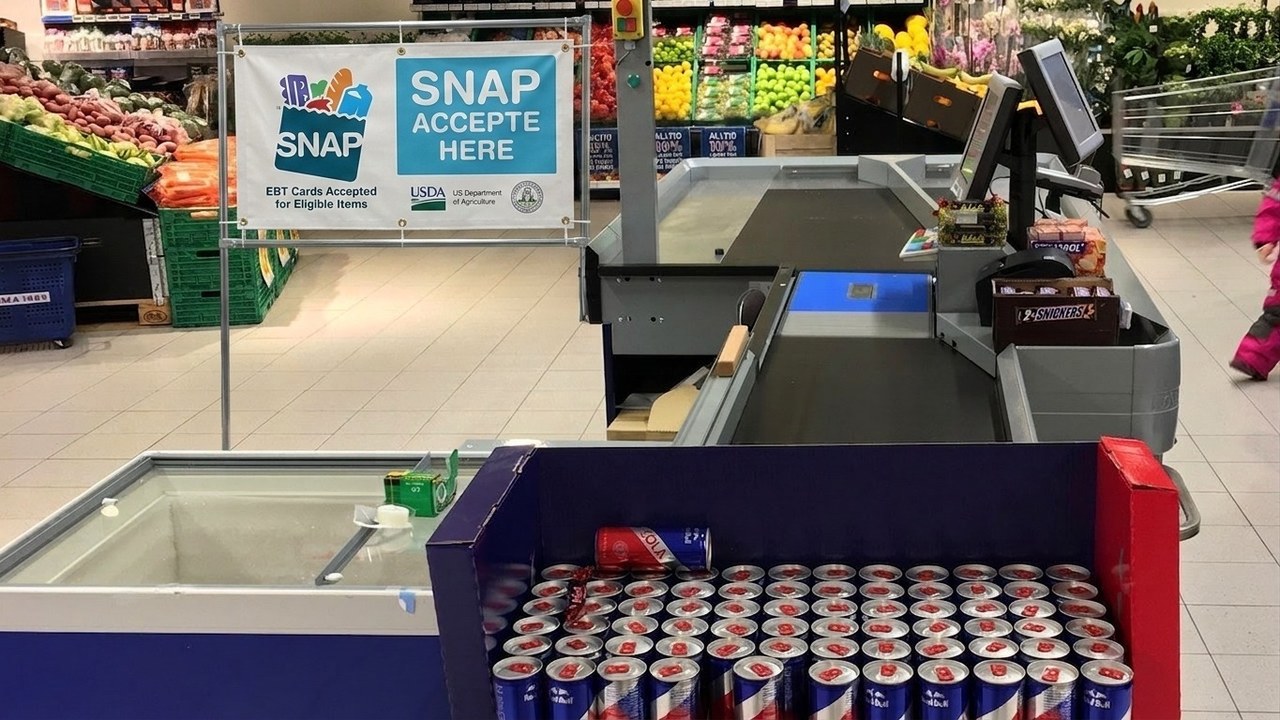
A SNAP card will not pay for hot foods, vitamins, medicines, supplements, alcohol or tobacco. Those items are on USDA’s federal no-buy list, and a cashier’s register will reject them at checkout. Some states have since added to the list, and a few shoppers can use SNAP for hot meals under a separate program.
For households on a fixed income, the practical trouble is the grocery cart that mixes both kinds of items. A rotisserie chicken that is hot when the shopper picks it up counts as a hot food. A bottle of vitamins that sits next to the cereal is not on the list either. Shoppers need to split the cart at the register and pay for the ineligible items another way.
That split is why a standing list helps. The federal no-buy list is short enough to remember, and most trouble comes from the few categories that look like groceries but are not.
What a card can buy is only one SNAP rule, and keeping the card loaded depends on renewal and reporting dates that differ by state. For tracking those state dates, the SNAP & Medicaid Renewal Organizer lays out a renewal and reporting calendar alongside 51 state packs.
Get the Organizer’s state packs and calendar for keeping a SNAP card active →
The federal list, item by item
USDA’s what-can-SNAP-buy page, last updated June 4, 2025, says households cannot use SNAP benefits to buy:
- Beer, wine and liquor.
- Cigarettes and tobacco.
- Food and drinks containing controlled substances, such as cannabis and CBD.
- Vitamins, medicines and supplements.
- Live animals, except shellfish, fish removed from the water and animals slaughtered before pickup from the store.
- Foods that are hot at the point of sale.
- Nonfood items, such as pet food, cleaning supplies, paper products, other household supplies, hygiene items and cosmetics.
The list names vitamins, medicines and supplements together, and it carves out no exception for items a doctor recommended. The nonfood line also reaches hygiene items and cosmetics, which many stores shelve beside groceries.
The hot foods exception for some shoppers
Hot meals are off the list for most households, but not all. USDA’s Restaurant Meals Program lets certain SNAP recipients buy prepared meals at approved restaurants. To qualify, every household member must be 60 or older, disabled, or homeless, or be the spouse of an eligible participant.
The program is not available everywhere. USDA’s page, updated Aug. 7, 2026, says nine states run it: Arizona, California, Illinois, which covers only Cook and Franklin Counties, Maryland, Massachusetts, Michigan, New York, Rhode Island and Virginia. A household that is not in one of those places has no hot-meal option through SNAP.
State limits on top of the federal list
The federal list is the floor. USDA’s food restriction waiver page, updated Oct. 2, 2026, lists 23 states with approved waivers that take items off the eligible list, most often soda, candy, energy drinks and soft drinks. Four states, Colorado, Iowa, Tennessee and West Virginia, had their waivers vacated June 22, 2026.
Several are already running, including Indiana and Utah since Jan. 1, 2026, Idaho and Oklahoma since Feb. 15, and Texas since April 1. Montana, North Dakota, Ohio, South Carolina and Virginia are scheduled to start Nov. 1, 2026, and Nebraska on Dec. 1. Louisiana started Feb. 18 and Florida April 20, and Arkansas, which began July 1, 2026, restricts items with less than 50% natural juice. Each state’s version has its own wording, so a soda that is allowed in one state may be blocked in the next.
Checking an item before checkout
The no-cost reference is USDA’s what-can-SNAP-buy page for the federal rules, plus the state SNAP agency’s site for any state restriction. A shopper in a state with a new restriction should check the state’s definitions of soda or candy, because Idaho, for one, writes its definitions around ingredients, such as a drink that contains natural or artificial sweeteners. Idaho also says a restricted item can still be paid for with cash, debit or credit.
It also helps to separate trips. Ineligible items such as vitamins, cleaning supplies and pet food can go in a second bag that is paid for with cash or a debit card, so the SNAP balance on the first bag is clean.
USDA’s own wording is the final word for the federal rules: households “CANNOT use SNAP benefits” to buy beer, wine, liquor, cigarettes, tobacco, vitamins, medicines, supplements or foods that are hot at the point of sale.
A household that wants to stay ahead of the next SNAP paperwork date can use The SNAP & Medicaid Renewal Organizer, which pairs a renewal and reporting calendar with a renewal document checklist and 51 state packs.
Get the Organizer to keep SNAP renewal dates alongside the buy-list rules →
This article was produced with AI assistance and edited for accuracy against the USDA pages linked above.


