
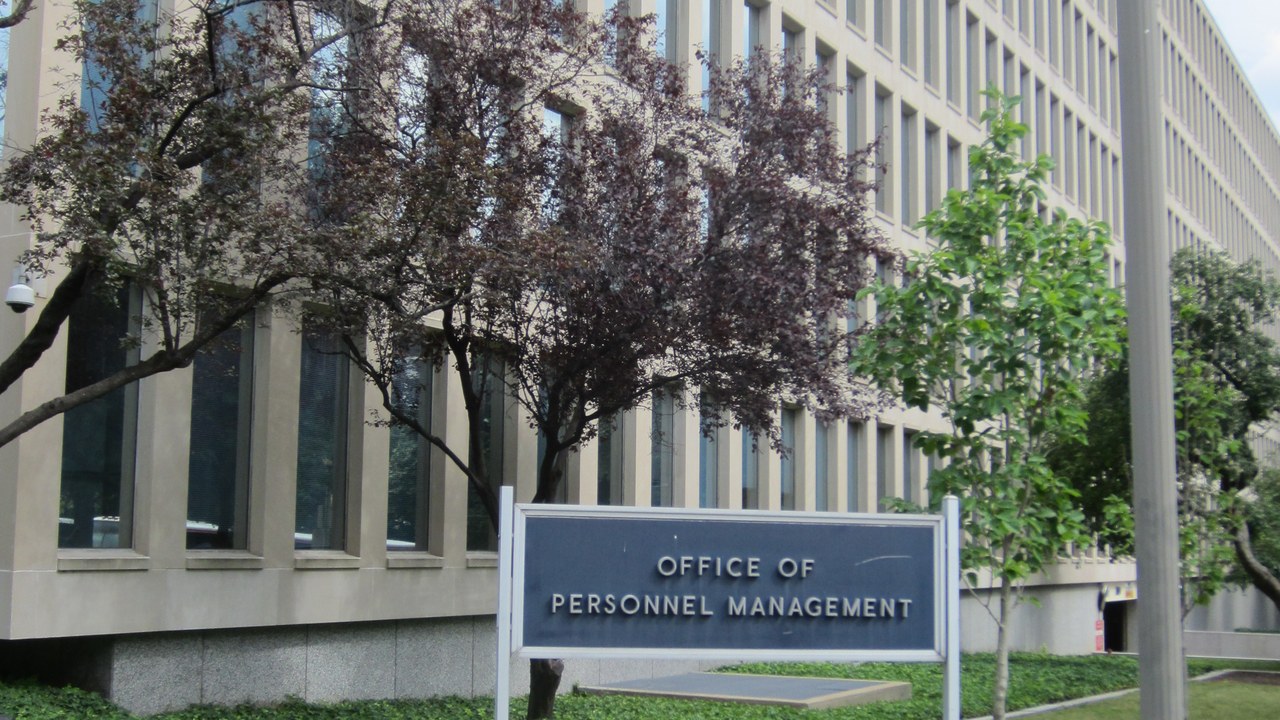
The Office of Personnel Management and the White House Task Force to Eliminate Fraud say anti-fraud work saved the federal government’s two employee health programs more than $500 million in 2025. The programs are the Federal Employees Health Benefits Program, or FEHB, and the Postal Service Health Benefits Program, or PSHB. The figure is OPM’s own, and it comes from a joint announcement on the 2025 results.
OPM breaks the total into three parts. Claims stopped or reduced came to $237.7 million. Losses prevented through billing and policy changes came to $271.9 million. Money recovered after it had been paid came to $21.9 million.
Federal employees, retirees and their families pay premiums into these plans, and fraud is a cost the plans carry. OPM Director Scott Kupor said, “Fraud in federal health benefits programs drives up costs for employees, retirees, and taxpayers.” The announcement does not put a figure on how much fraud affects any one year’s premiums.
Health plan rules and fraud findings keep changing; The Retirement Money Brief explains one change each weekday, who it affects and what to do.
Get the free weekday brief → Free from RetireShield. Unsubscribe anytime.
Where the $500 million comes from
The three pieces add up to $531.5 million, which is why OPM says “more than $500 million.” The largest piece, $271.9 million, is losses prevented through changes to billing and policy. The next, $237.7 million, is claims that were stopped or reduced before payment. Only $21.9 million, roughly 4 percent of the total, was recovered after payment.
The split shows where the work happens. Most of the savings came from keeping questionable money from going out, not from chasing it afterward.
Who did the work
The White House Task Force to Eliminate Fraud, chaired by Vice President JD Vance, partnered with OPM on the effort. The savings came through coordination with the Special Investigation Units that FEHB and PSHB insurance carriers run. OPM says the focus areas were stronger carrier oversight, expanded use of claims data analytics and earlier detection of suspicious activity.
Kupor said the results “demonstrate the importance of strong carrier oversight, better data sharing, and earlier detection.”
What the number covers
The $500 million is a combined figure for both programs and for calendar year 2025. The announcement does not break it out by carrier, by plan or by type of scheme, and it does not name individual cases. It also does not say how the savings relate to premium rates.
The announcement is a summary, and the agencies have not published case-by-case detail. What it does establish is the scale: more than half a billion dollars in one calendar year across two programs that cover federal and postal employees, retirees and their families.
Premiums are moving at the same time. OPM’s highlights for plan year 2027 report that the overall average FEHB premium rises 9.3 percent for 2027, and the average enrollee share rises 10.9 percent.
What carriers and enrollees each see
The announcement credits the carriers’ own investigation units, which see claims before and after they are paid. Enrollees see something different: the explanation-of-benefits statement that arrives after care. That statement lists the provider, the date of service and what was billed, and it is where an unfamiliar charge usually shows up first.
OPM’s inspector general lists billing for services not provided and up-coding as examples of false claims. A statement showing a visit that never happened, a test that was never done or a family member who is not eligible fits that description.
Reporting suspected health plan fraud
The free official route for FEHB fraud is OPM’s Office of the Inspector General. Its hotline page gives a phone number, 1-877-499-7295, and an online complaint form. Mail goes to the OPM Office of the Inspector General, ATTN: OIG Hotline, 1900 E Street NW, Room 6400, Washington, DC 20415-1100.
The inspector general says it investigates false or fraudulent claims sent to an FEHB or FEDVIP carrier, such as billing for services not provided or up-coding. It also lists medical provider kickbacks, patient harm by a provider, medical identity theft, opioid prescription abuse and ineligible dependents receiving benefits.
Plan ID numbers are the other thing to guard, because medical identity theft is on the inspector general’s list of schemes. An ID number belongs with the doctor’s office, the pharmacy and the carrier, and with no one who calls or emails unprompted.
Enrollees can compare each explanation-of-benefits statement against the care actually received, looking at dates, providers and services. Before reporting, write down the provider’s name, the claim number and the date of the statement. OPM’s inspector general encourages complaints through the online portal for prompt review by professional staff.
More Financial Reading
- How many CDs can you park at 1 bank? FDIC rules you must know
- Adding someone to your bank account: tax traps and smart moves
- The ideal retirement withdrawal rate so your savings actually last
This article was written with AI assistance and edited for accuracy against the government pages linked in the text.


