
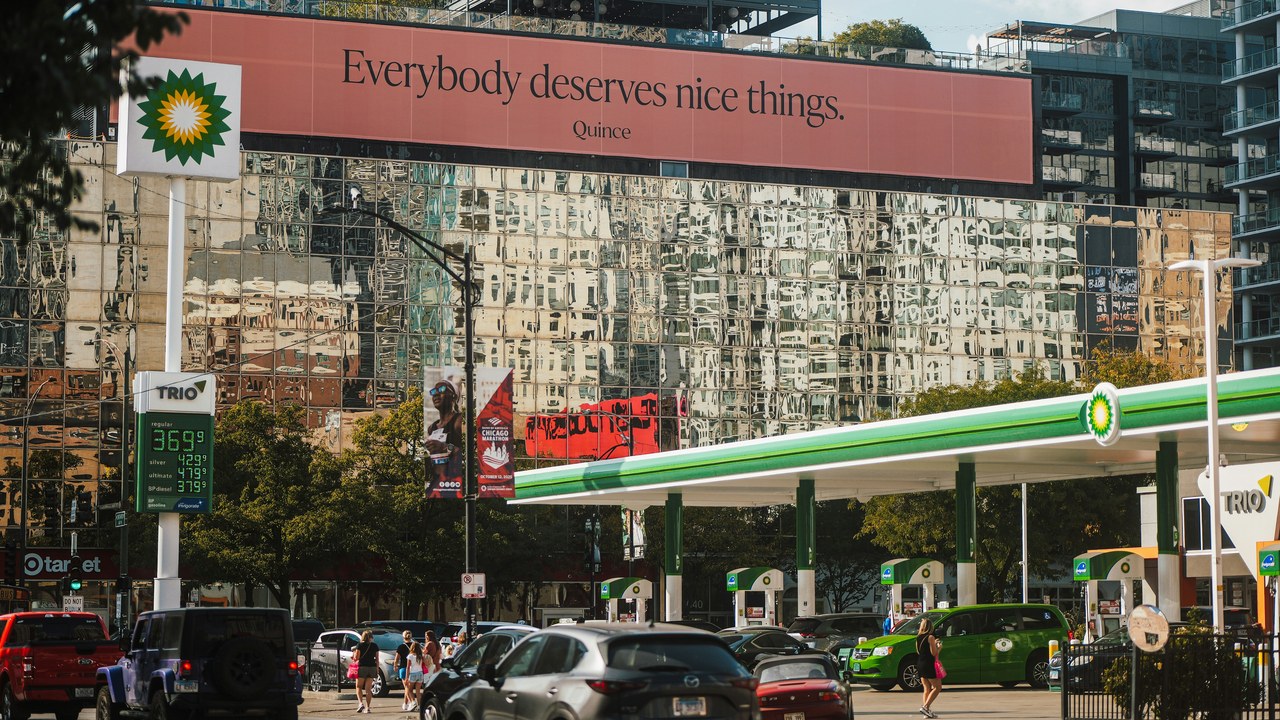
A gallon of regular gasoline costs $4.37 at the national average today, and the federal government expects the price to fall next year. The Energy Information Administration, the Energy Department’s statistics agency, says in its October 6 outlook that gasoline will average just under $3.60 a gallon in 2027. The same outlook has retail diesel averaging about $4.50 a gallon.
The gap between today’s pump price and next year’s forecast is more than 75 cents a gallon. For a driver who fills up every week, the difference adds up over twelve months, and for anyone on a fixed income it is the number that sets a monthly driving budget. The forecast is an annual average, though, not a promise for the next fill-up.
Fuel prices keep moving with oil markets and the seasons, and The Retirement Money Brief explains one money change each weekday, who it affects and what to do.
Get the free weekday brief on fuel and household costs → Free from RetireShield. Unsubscribe anytime.
Where pump prices stand today
AAA’s national average for regular was $4.3685 on October 6. A week earlier it was $4.4558, and a month ago it was $4.1473, according to the AAA fuel price page. A year ago the figure was $3.1333, so drivers now pay about $1.24 more per gallon than they did.
The EIA’s weekly retail report for the same day shows a similar picture: regular at $4.354 a gallon, down 11.1 cents from the previous week. Diesel was $6.199 a gallon, down 18.3 cents. Both figures fell week over week, but the level is still far above the forecast average for 2027.
Diesel shows an even bigger year-over-year jump. AAA lists the national average at $6.3151 a gallon, compared with $3.6790 a year ago. That is the fuel that moves freight, and the EIA’s outlook has it falling to about $4.50 a gallon on average in 2027.
What is in a gallon of gasoline
The EIA breaks down the pump price into four parts. Crude oil is 52 percent, refining is 22 percent, distribution and marketing is 15 percent and taxes are 12 percent. Applied to the $4.354 weekly price, crude oil accounts for about $2.26 of each gallon, refining about 96 cents, distribution and marketing about 65 cents and taxes about 52 cents. That mix explains why the oil market drives the headline number and why a gas station’s price does not move in lockstep with crude every day.
Diesel has a different mix: crude oil is 42 percent, refining 25 percent, distribution and marketing 23 percent and taxes 11 percent. Crude is the biggest slice for both fuels, which is why the oil market sets the direction.
A yearly average hides the months in between
An average of just under $3.60 for 2027 does not mean every month sits at $3.60. It means some months may be higher and some lower. With the national price at $4.37 now, the average implies a decline during the year, but the EIA’s headline figure does not say when. The agency updates its outlook monthly, and the next one is due on November 10.
The same outlook shows other fuels moving in different ways. Heating oil prices are up more than 30 percent from last winter, while homes that burn natural gas or propane are expected to spend less on heating. Pump prices are one part of a wider energy bill, and they are the part that drivers see every week.
Planning a driving budget around a forecast
For a household that drives a set number of miles, the math is simple. Divide the monthly miles by the car’s miles per gallon, then multiply the gallons by the price. Using $4.37 gives the cost today, and using a number just under $3.60 gives the forecast cost for next year. Households should budget at today’s price, since the forecast has not happened yet.
Tracking fuel prices before trusting the forecast
The free source for weekly prices is the EIA’s retail gasoline and diesel page, which reports the national average for regular gasoline and diesel each week. AAA posts a daily national average and state averages, which are useful for comparing against what the local station charges.
Write down the price per gallon at each fill-up for a few weeks. If the local price is running above the state average, a station a few miles away may be cheaper, and a short log shows whether the trend is going toward the EIA’s forecast or away from it. The agency’s own estimate for 2027 is just under $3.60 a gallon, and its November 10 update will show whether that number has changed.
More Financial Reading
- How many CDs can you park at 1 bank? FDIC rules you must know
- Adding someone to your bank account: tax traps and smart moves
- The ideal retirement withdrawal rate so your savings actually last
This piece was produced with AI assistance and edited for accuracy against the EIA and AAA pages linked above.


