
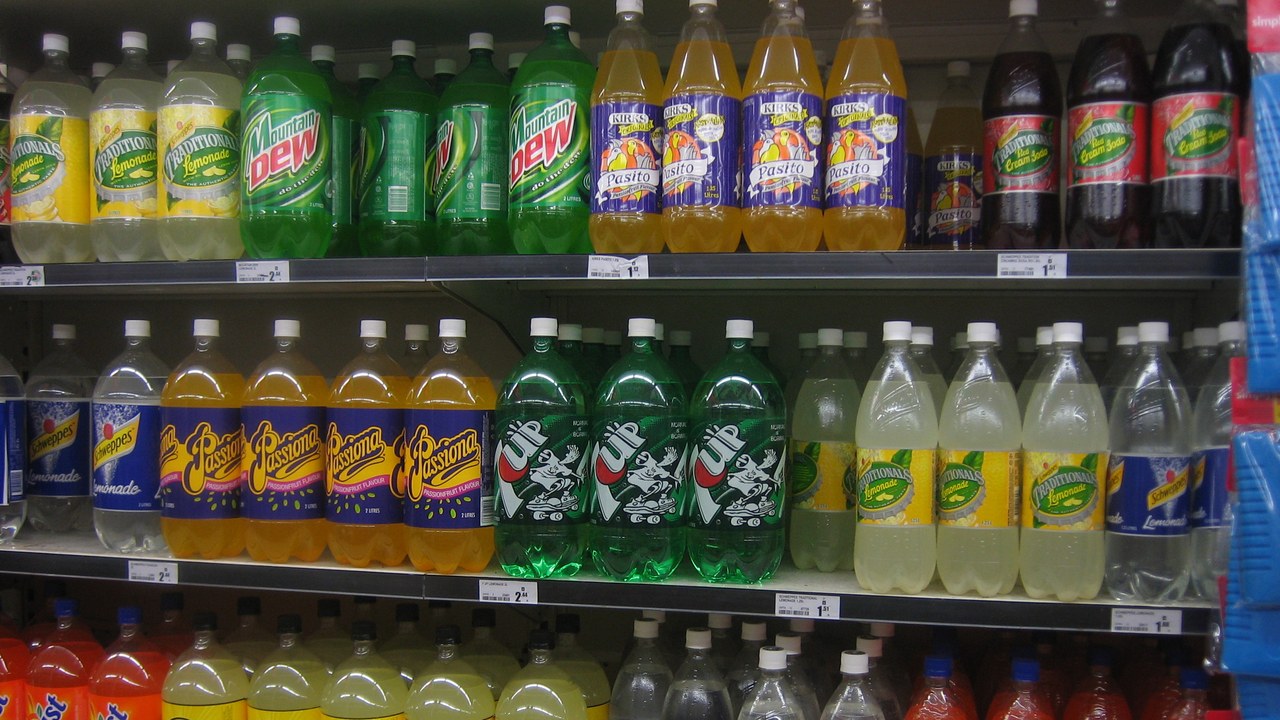
Beginning November 1, 2026, SNAP benefits in five states stop covering a list of sugary drinks and candy: Montana, North Dakota, Ohio, South Carolina and Virginia. The schedule comes from the USDA’s own state-by-state table of approved food restriction waivers, which the agency last updated on October 2. The five join eight states where restrictions are already in force, and the same table shows others with start dates stretching into 2028.
Montana, North Dakota, Ohio, South Carolina and Virginia on the November 1 line
The USDA food restriction waiver table lists each state with the items it bars and an implementation date. Five rows carry November 1, 2026, and the item lists are not the same from one to the next.
- Montana bars high-sugar beverages, energy drinks, candy and desserts.
- North Dakota bars sweetened beverages, energy drinks and candy.
- Ohio bars sugar-sweetened beverages and fountain drinks.
- South Carolina bars candy, energy drinks, soft drinks and sweetened beverages.
- Virginia bars sweetened beverages.
The USDA describes the whole category as waivers that “restrict the purchase of non-nutritious items like soda and candy,” on its SNAP waivers page. The category label is broader than any single row. Ohio’s and Virginia’s entries name drinks and no candy at all, while Montana’s and South Carolina’s reach beyond drinks to sweets, and Montana’s extends to desserts. The same list of refused items will not apply from state to state on the same morning.
What the restriction does and does not touch
Each row on the table describes a limit on what the SNAP benefit can buy. Nothing on the USDA page changes the size of a household’s monthly allotment, and nothing in the table touches eligibility. The table is a purchasing rule: the same benefit balance, with a shorter list of what it covers.
That distinction explains why the details matter more than the headline. The drink categories are worded differently in each state, “high-sugar,” “sweetened,” “sugar-sweetened,” “soft drinks,” and the table does not define the boundary for any of them. Fountain drinks appear only on Ohio’s row. Desserts appear in Montana’s row, as they do in Florida’s and Missouri’s. The USDA table does not say which individual products fall inside any of those categories.
Eight states already run the same kind of restriction
The word “more” in the November 1 story rests on a short list of states where the rules are already live, according to the same USDA table. Indiana and Utah began January 1, 2026. Idaho and Oklahoma followed on February 15, and Louisiana on February 18. Texas started April 1, Florida April 20 and Arkansas July 1. Their item lists vary too: Utah’s row names soft drinks alone, Idaho’s names soda and candy, and Arkansas lists soda, fruit drinks with less than 50 percent juice, energy drinks and candy.
Once the five November 1 states start, thirteen states will have an active restriction on the schedule as the USDA currently publishes it. The table gives no figure for how many SNAP households live in those states.
Nebraska, Wyoming and the later start dates
The table also looks forward. Nebraska’s row lists soda, soft drinks and energy drinks beginning December 1, 2026, with candy added March 1, 2027. Wyoming follows on February 1, 2027 with sweetened, carbonated beverages. Kansas and Missouri are both listed for February 15, 2027, Kansas for candy and soft drinks and Missouri for candy, prepared desserts and unhealthy beverages. Hawaii’s soft drinks restriction begins April 1, 2027, and Nevada’s restriction on candy and sugar-sweetened beverages is listed for February 1, 2028.
Nebraska carries an unresolved discrepancy. A Covington & Burling summary of the June 2026 federal court ruling names Nebraska among five states whose waivers were vacated, alongside Colorado, Iowa, Tennessee and West Virginia. USDA’s table, updated October 2, marks only Colorado, Iowa, Tennessee and West Virginia as court-vacated and still shows Nebraska as approved for December 1. The Covington summary does not mention Montana, North Dakota, Ohio, South Carolina or Virginia.
Four states the USDA table shows as court-vacated
Four rows on the table do not carry a start date at all. Colorado (soft drinks), Iowa (taxable food items other than seeds and plants), Tennessee (soda, energy drinks and candy) and West Virginia (soda) read “Court-vacated June 22, 2026.” A note on the page says the U.S. District Court for the District of Columbia ordered the USDA’s approval of the waiver vacated and that implementation may not proceed. For households in those four states, the table shows no restriction in effect and no date to expect one.
Read together, the 23 rows fall into three groups: thirteen states with a restriction in force or starting November 1, six scheduled between December 1, 2026 and February 2028 (Nebraska is the disputed one among them), and four where the USDA itself says implementation may not proceed. The November 1 states sit in the first group.
The USDA’s October 2 table as the record of the schedule
Every date in this piece comes from one USDA table, and the five November 1 entries read “Approved” on the version updated October 2, 2026, with Montana, North Dakota, Ohio, South Carolina and Virginia each listed for the first of the month.
A new purchase rule lands on a case that already has its own calendar
The November 1 start in Montana, North Dakota, Ohio, South Carolina and Virginia adds one more state-specific rule to SNAP cases that already run on recertification and reporting dates. The gap the news leaves is practical: the item lists differ by state, and the paperwork behind each case differs too.
The SNAP & Medicaid Renewal Organizer is a 13-page organizer with 51 state packs, a renewal document checklist and a renewal and reporting calendar for keeping those dates in one place.
Open The SNAP & Medicaid Renewal Organizer’s state packs for the five November 1 states →
This piece was drafted with AI assistance; the dates and item lists were checked against the USDA’s SNAP food restriction waiver table updated October 2, 2026.


