
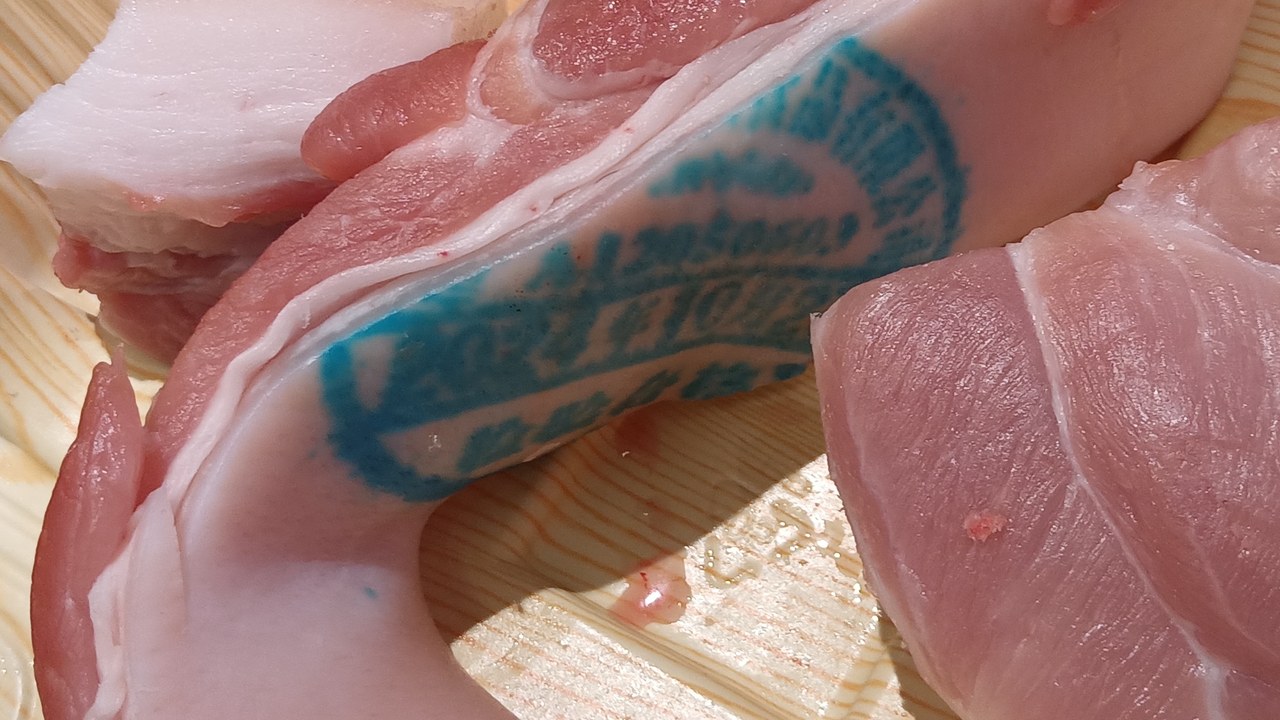
A pork price-fixing settlement worth $117.065 million across five paying defendants stops accepting claims after October 29, 2026, which is 27 days from today. Anyone who bought pork for personal consumption between June 28, 2014 and June 30, 2018 can file, provided the purchases fall inside the jurisdictions the class covers.
That jurisdiction limit is the part most easily missed. The class is not national: it follows the states whose antitrust laws let indirect purchasers, meaning shoppers who bought from a store rather than from a meat processor, recover damages.
The pork notice carries a live October 29 deadline and a lapsed April 22 one. Telling those dates apart is the job of the four-date rule in The Settlement & Refund Recovery System.
See the four-date rule for reading the pork settlement notice →
The 23 states and the District of Columbia on the covered list
The settlement administrator’s FAQ page lists the class’s Repealer Jurisdictions. The 23 states are Arizona, California, Florida, Hawaii, Illinois, Iowa, Kansas, Maine, Michigan, Minnesota, Missouri, Nebraska, Nevada, New Hampshire, New Mexico, New York, North Carolina, North Dakota, Rhode Island, South Carolina, Tennessee, Utah and West Virginia. The District of Columbia completes the list.
Several populous states, Texas and Pennsylvania among them, do not appear. The administrator’s pages do not explain the omissions, so a shopper who lived elsewhere during those four years should assume the class does not reach those purchases unless the administrator says otherwise. The administrator’s toll-free line is the listed place to ask.
The covered products are narrower than the word pork suggests. The FAQ limits the class to raw bacon and raw fresh or frozen pork from bellies, loins, shoulder, ribs or chops, bought at grocery stores for personal consumption. Organic and no-antibiotics-ever pork is excluded, as is any non-bacon product that is marinated, seasoned or breaded.
Five payers, one non-cash defendant and a pro rata split
The administrator’s home page breaks the $117.065 million down by defendant: Tyson at $85 million, Clemens at $13.5 million, Seaboard at $10 million, Hormel at $4.465 million and Triumph at $4.1 million. Agri Stats, the sixth defendant, contributes business-practice changes and no cash.
On Agri Stats, the FAQ states that no cash payments are available. Its settlement instead imposes a five-year set of changes to how it handles competitor data, including a 45-day minimum age for the data it reports and an end to publishing the sales reports that figured in the case. The five years start when Agri Stats resumes its pork reports.
Payments are divided pro rata by purchase amounts during the 2014-2018 window, according to the published summary notice. Each share therefore depends on how many valid claims arrive. The site lists no per-person amount, and none should be inferred from the fund total.
A product lookup on the same site lets claimants check whether a particular cut or product counts. The administrator’s lookup tool is a searchable table of pork product names and primals.
October 29 is live; April 22 belonged to JBS and Smithfield
Two deadlines appear on the landing page, which makes the notice easy to misread. October 29, 2026 applies to the Agri Stats, Clemens, Hormel, Seaboard, Triumph and Tyson settlements, with notice having begun August 28, 2026. April 22, 2026 applied to the separate JBS and Smithfield settlements, notice for which started July 22, 2021. That earlier window has closed, and the administrator’s separate JBS and Smithfield site carries it.
The October 29 date also governs more than claims. According to the home page, the same cutoff applies to opt-out requests and objections, so a shopper weighing whether to stay in the class has the same four weeks.
Opting out has mechanics of its own. A request must be written, mailed and postmarked by October 29, with a name, address, email and signature, and the FAQ says it cannot be made by phone or email. Exclusion is not possible from the Agri Stats settlement, only from the five paying ones. The final approval hearing is set for December 11, 2026, at 11:00 a.m. Central before Judge John R. Tunheim in the U.S. District Court for the District of Minnesota, and class counsel will ask for up to one-third of the cash settlements in fees. A third of $117.065 million is about $39 million, a request the court may reduce.
Four years of grocery runs, few receipts and a state-by-state class
Three separate things have to line up. The purchase must have happened between June 28, 2014 and June 30, 2018, the buyer must have been in one of the 23 states or the District of Columbia, and the pork must have been for personal consumption. Most households kept no receipts for ordinary grocery trips that far back, and neither the FAQ nor the lookup page says what proof, if any, the claim form asks for. The FAQ says only that a timely and valid claim form is required.
Moves add a wrinkle. Take a hypothetical household that lived in Ohio in 2014 and Michigan from 2016: it holds purchases on both sides of the covered-state line, and only the Michigan portion would fall inside the class. The overlap of an old state list, an expired first-round deadline and a live second one is where claims are most likely to go wrong.
The official route needs nothing beyond the administrator’s site, where claims can be submitted online or mailed with a postmark on or before October 29.
Sorting the pork notice’s dates before the cutoff
The pork notice mixes a lapsed April 22 deadline, an August 28 notice date and a live October 29 cutoff. For households with years-old grocery purchases and no receipts, the unfinished job is working out which date governs which action.
The Settlement & Refund Recovery System sets out the four-date rule for reading a settlement notice alongside a step-by-step filing walkthrough for the claim form itself.
Sort the pork notice’s dates with The Settlement & Refund Recovery System →
AI assistance was used to draft this report; the dates and state names above come from the settlement administrator’s own pages.


