
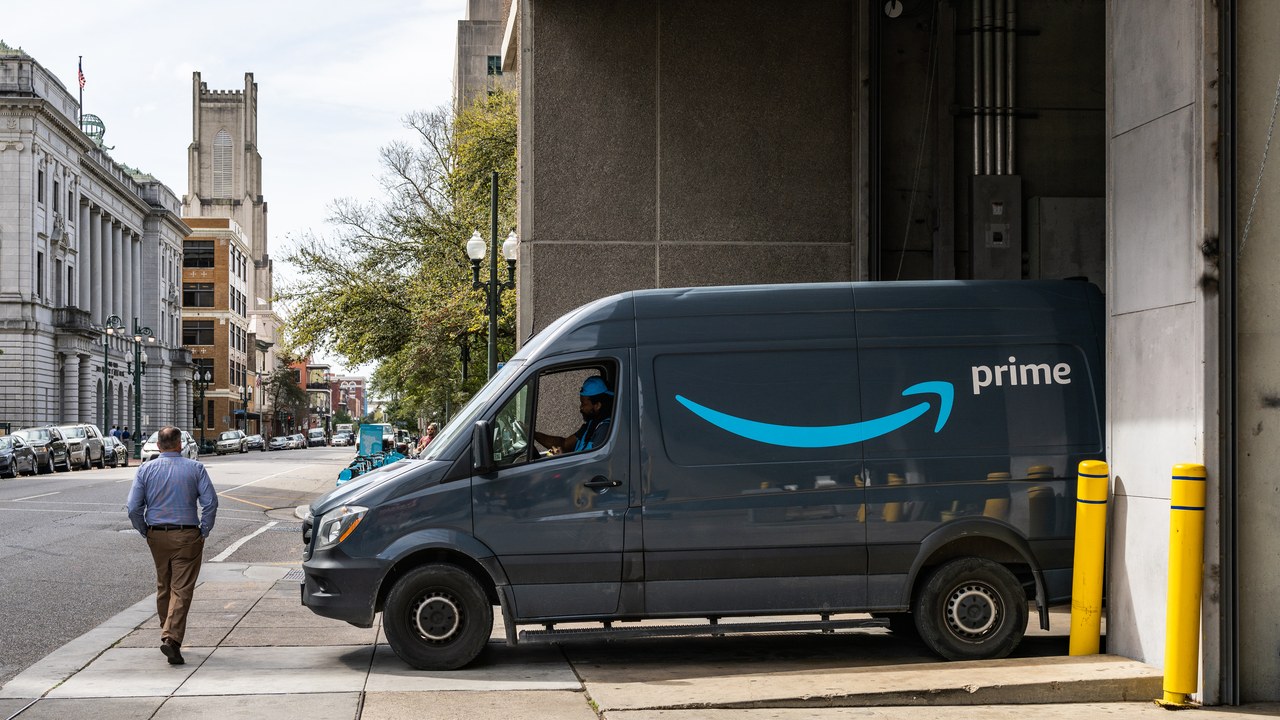
Nobody has to file anything to receive an Amazon Prime refund from the Federal Trade Commission’s settlement with Amazon, but a payment that arrives unexpectedly comes with a short fuse: it expires 60 days after the date it is issued. The FTC’s refund page says Amazon has already issued more than $845 million to eligible Prime customers.
The payments go out as a mailed check or an electronic transfer through PayPal or Venmo, and the agency says eligible customers will get their refund by April 2027. For a household, the risk is less about missing a form than about missing a payment that nobody announced.
Two parts for an unannounced payment: The Settlement & Refund Recovery System contains the scam-proof rules and the source vault of 12 official places money sits, for telling a real payment from an imitation.
Open the scam-proof rules and source vault in The Settlement & Refund Recovery System →
No form exists to file for the Amazon Prime redress
The FTC’s Amazon refunds page is explicit: no action is needed to receive a refund, and a customer does not have to file a claim, respond to a notice or complete any forms. Amazon sends the payment on its own to customers the settlement covers.
That has a practical consequence. Any message asking a Prime member to fill in a form, confirm a bank login or pay a fee to release a refund does not come from the programme. The same page carries a warning that the FTC is not contacting people about refunds in the Amazon matter, and that a caller claiming to be from the FTC is running a scam.
More than $845 million out, with $200 as the ceiling
The settlement totals $2.5 billion: up to $1.5 billion for customer refunds and a $1 billion civil penalty. Of the refund pool, the FTC reports more than $845 million has been paid so far, as of its September 2026 update.
Earlier payments under the order were capped at $51 per eligible customer. A revised order announced on September 17, 2026 adds supplemental payments of up to $149, which brings the maximum total payment to $200. The FTC’s page puts the outer limit at April 2027, when it says eligible customers will have received their refund, so a household that has seen nothing so far cannot treat that as a verdict.
The September announcement also defines who the revised order reaches: consumers who used between 11 and 20 Prime benefits during a one-year period, a group the FTC says will begin receiving automatic redress payments starting October 1, 2026. The $149 supplemental payments are scheduled to start in April 2027, the same month the refund page gives as the end of the programme’s automatic refunds, so the $51 and $149 pieces that make up the $200 maximum arrive at different times. On the money, $845 million out of a refund pool of up to $1.5 billion means a little over half of the ceiling has been distributed so far.
Payments began in November 2025, according to the refund page, and the September announcement describes October 1, 2026 as the date automatic payments start reaching millions more consumers under the revised order. That puts the newest tranche in the mail and in electronic wallets right now, which is why the 60-day clocks on those first payments are already running as of today.
Christopher Mufarrige, director of the FTC’s Bureau of Consumer Protection, said in the announcement that the revised order “will ensure more consumers who were harmed by Amazon’s deceptive enrollment and cancellation practices benefit.” The FTC lists no per-customer schedule for who is paid in which round.
Sixty days run from the issue date, not from arrival
The expiry rule is stated plainly: payments expire 60 days after the issue date. A paper check carries its issue date on its face and may spend several days in the mail before it lands. An electronic payment has an issue date as well, and it can sit unaccepted in a PayPal or Venmo notification. In both cases the clock started before the customer saw anything, and the FTC’s wording leaves no room for a different start date: 60 days after the issue date, with a prompt to accept the payment on time.
Arithmetic makes the point. Take a hypothetical check issued on October 1, 2026. Sixty days later is November 30, 2026, and every day it spends in a mailbox or an unopened envelope comes out of that window.
An unannounced payment, a running clock and tranches through April 2027
Three features stack. Payment arrives without a prior notice. The 60 days are counted from the issue date. And because the programme is paid in tranches ending in April 2027, no page the FTC publishes tells a household whether its own payment has been issued yet. The refund page lists totals and rules, not recipients.
That leaves the household to keep its own record: which Prime account was in use, which email address received PayPal or Venmo notices, and where mail goes if the address on file changed. With a 60-day window counted from a date the customer does not control, the record of when something arrived is the only way to tell how much time is left.
The official route requires nothing but watching for the payment and reading the FTC’s refund programme index for updates.
Logging an Amazon payment against its sixty-day clock
Because the Amazon redress arrives in tranches with no advance notice, the open question for any Prime household is whether a payment has been issued and when its sixty days end. That is a dating and record-keeping job, since nothing in the FTC programme asks for a filing.
The Settlement & Refund Recovery System includes a claim log and payment tracker for dating each payment as it arrives, plus a section on getting an expired or uncashed settlement check reissued.
Click here to get The Settlement & Refund Recovery System →
This piece was drafted with AI assistance and checked against the FTC’s Amazon refund page and September 17 announcement.


